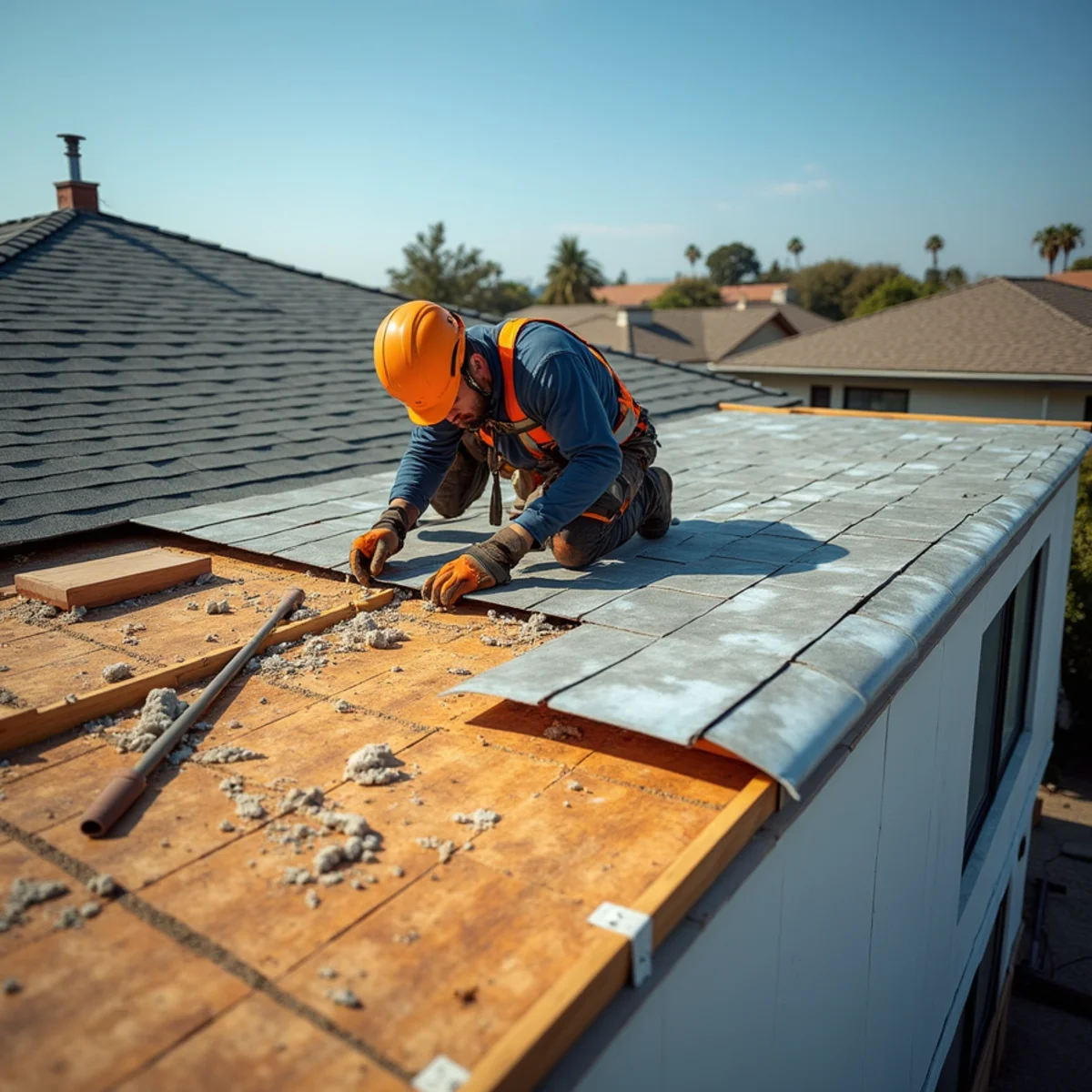
A roof replacement is one of the larger investments a homeowner makes, and it is easy to feel blindsided by how much one quote can differ from the next. The reason is that a replacement is not a single fixed product; it is a project shaped by a handful of variables particular to your home. This guide breaks down the real roof replacement cost factors, from size and material to tear-off and decking, so the numbers you receive make sense and you know which choices move them.
Roof size and pitch
The starting point for any replacement is the sheer size of the roof, usually measured in squares, where one square covers a hundred square feet. A larger roof needs more material and more labor, so it costs more than a smaller one, all else being equal. This is the most intuitive factor, and it is why two projects that look similar on differently sized homes can land far apart.
Pitch, the steepness of the slope, works alongside size. A steep roof takes longer to work on and calls for extra safety measures, because crews cannot move across it as quickly or freely as they can a gentle slope. Complexity adds to this too: a roof broken up by multiple slopes, dormers, valleys and penetrations has more edges and transitions to detail than a simple gable, and every one of those details is careful work.
Material choice
The material you choose is one of the biggest levers on the total, and the range is wide. Asphalt shingles generally sit at the more affordable end; tile and metal are more of an investment, both for the material itself and for the specialized labor they require. There is range within each category as well, since a premium shingle and a basic one are not the same, and neither are different tile profiles or metal systems.
It helps to weigh material cost against service life and coastal fit rather than first price alone. Near the water in Oceanside, the components you never see, corrosion-resistant fasteners and flashing and a quality underlayment, are part of what you are paying for, and they matter as much as the surface material. A cheaper material paired with standard hardware can cost more in the long run if it fails early, so the value question is broader than the sticker.
Because the material sets so much of the total, it is the first place to look if an estimate lands higher than you hoped. A different material category, or a different product within the same category, can change the number meaningfully, and a good roofer will walk you through those options rather than presenting a single take-it-or-leave-it figure.
Tear-off and existing layers
Before a new roof goes on, the old one usually has to come off, and that step is its own line in the budget. Tear-off is the process of stripping the existing roofing down to the decking, and it takes labor, time and disposal. How many layers are up there matters: a roof that already carries more than one layer of old roofing takes more work to remove and haul away than a single layer.
Occasionally a homeowner asks about roofing over the existing roof to skip tear-off. It can look cheaper up front, but it hides the condition of what is underneath, adds weight, and is limited by code and by the roof's existing layers. Tearing off to the decking is generally the sounder approach, because it lets the crew see and correct what lies beneath, which brings us to the factor that surprises people most.
Decking condition
The decking, the wood base that the whole roof is built on, is the wildcard of any replacement. You cannot fully judge its condition until the old roofing is off, and near the coast, years of marine moisture can quietly soften plywood in ways that are invisible from above. If the decking is sound, the project proceeds as planned; if areas have rotted or delaminated, they need to be replaced before the new roof goes on.
Because this is discovered mid-project, it is the most common reason a replacement total shifts from the original estimate. That is not a reason to distrust the process; it is a reason to expect it. A straightforward roofer raises the possibility of hidden decking damage before the job, so it is not a shock, and when decking does turn up damaged, stops to show you exactly what was found and explains the added work before proceeding rather than quietly tacking it on.
Access, disposal and permits
Several practical factors round out the picture. Access affects labor: a home with tight side yards, heavy landscaping or limited street space is harder to stage and move materials around than one with open room on every side. Disposal is a real cost too, since the old roofing has to be hauled away and handled properly, and more material or more layers means more to remove.
A few of these smaller drivers add up:
- Access and staging room around the house for ladders, materials and a disposal container
- The number of penetrations, chimneys, skylights and vents that each need new flashing
- Disposal of the old roofing, which scales with how much comes off
- Permits, which most tear-off replacements require, along with the inspections that go with them
Using the Cost Planner
Permits deserve a word of their own before we wrap up. A replacement that involves tear-off generally requires a building permit from the City, and there may be energy-code considerations under California's Title 24 for certain new roofs. The permit and inspection process is part of doing the job properly and leaves a useful record for insurance and any future sale, and the specifics are worth confirming with the City for your particular project.
With so many moving parts, a single advertised price rarely reflects what your project will actually involve. Size and pitch, material, tear-off and layers, decking condition, access, disposal and permits combine differently on every home, which is why the most reliable estimate follows an on-site look rather than a phone call. To get oriented beforehand, our Cost Planner can help you think through these variables and frame your budgeting questions before you talk to anyone.
That tool is a way to understand what drives the number, not a replacement for a real evaluation of your roof. When you are ready for firm figures, an in-person assessment weighs all of these factors together and turns them into a clear, honest estimate for your home, with no sticker shock and no surprises buried in the fine print.
Frequently asked questions
Sources & further reading
- Internal scope guidance
This article is general guidance. Confirm current code, permit, Title 24, insurance and warranty specifics with the relevant authority for your project.