Loading…
Oceanside Neighborhoods
Roofing in South Oceanside (South O)
South Oceanside — "South O" — is one of the city's most established, character-rich neighborhoods, close enough to the coast that salt air is a real factor. Its mix of historic bungalows and remodeled cottages calls for roofing that respects the architecture while standing up to marine conditions.
Common property styles
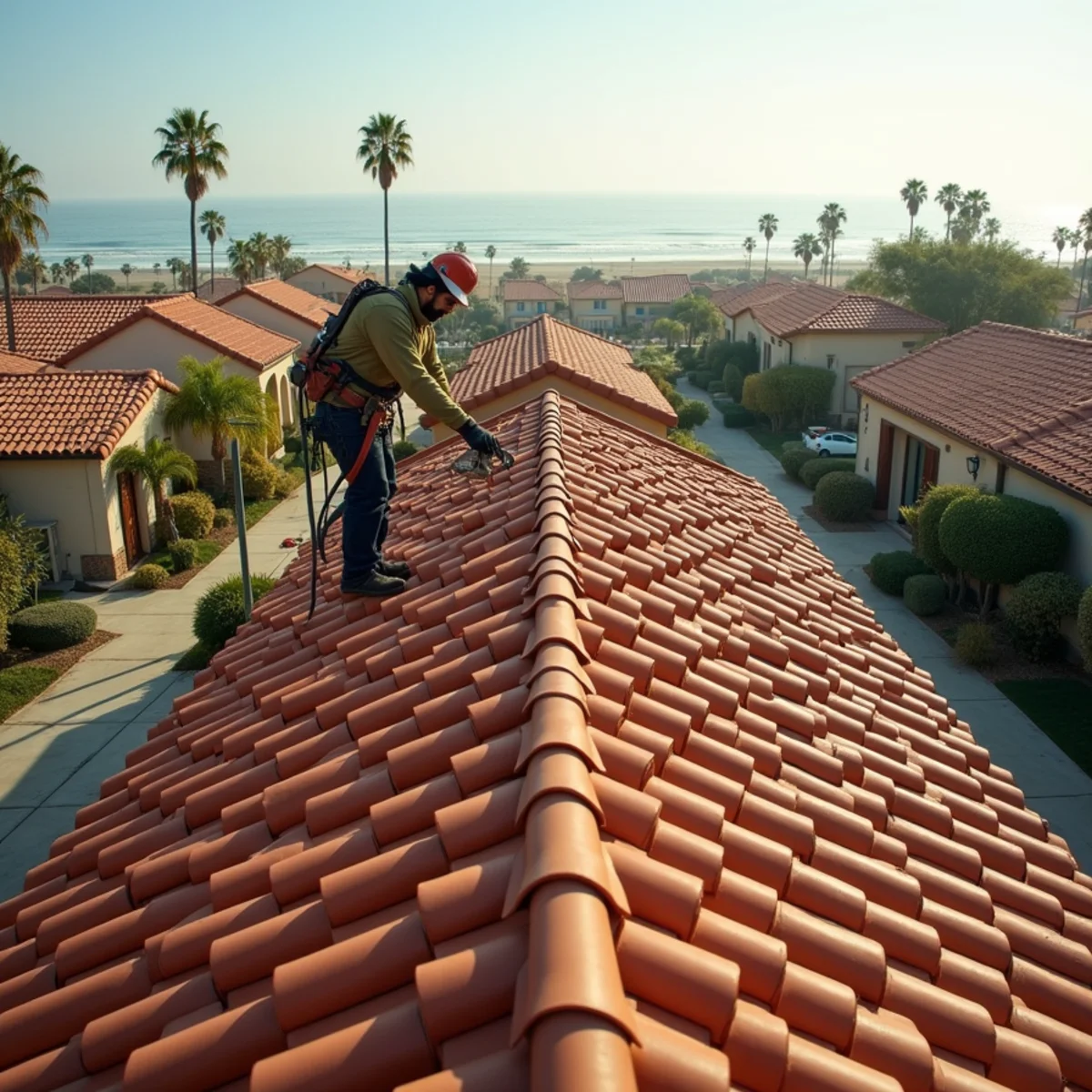
South O is known for older Spanish-style bungalows, Craftsman cottages and coastal remodels, many with original clay tile or aging shingle roofs. Preserving architectural character while upgrading performance is a common goal here.
Roofing materials you'll see here
- Clay and concrete tile
- High-wind-rated, algae-resistant shingles
- Corrosion-resistant metal accents
Exposure considerations
Being close to the coast, South O homes face salt air and marine moisture. Corrosion-resistant fasteners and flashing, and attention to underlayment beneath tile, matter here.
Maintenance guidance
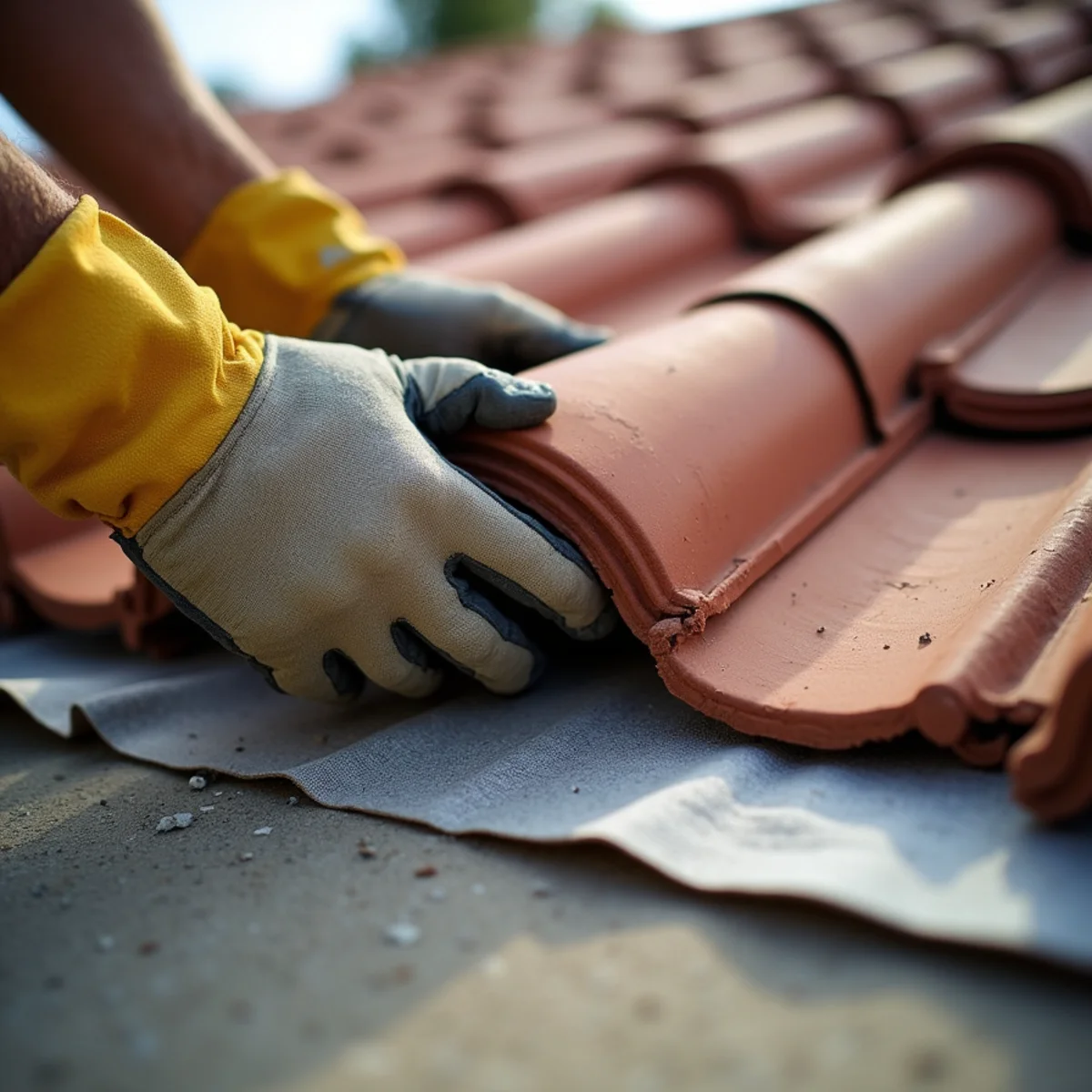
For older tile homes, the underlayment beneath the tile is often the first thing to need attention, even when the tile looks fine. An inspection can tell you where things stand before a leak appears.
Roofing Considerations Specific to South Oceanside
South Oceanside — "South O" to the people who live there — is one of Oceanside's oldest and most walkable coastal districts, a few blocks from the sand in one direction and a settled, tree-shaded street grid in the other. The character that draws people here also defines its roofing reality: many homes date back generations, to the age of the Spanish-style bungalow and the Craftsman cottage, and most have been re-covered, added onto and remodeled more than once since. A South O roof is rarely a single clean plane. More often it is a record of the house's history — an original core meeting a later porch, back bedroom or converted garage at seams that all have to shed water, each layer aging at its own pace beneath the surface. Reading that history is where a sound roofing decision here begins.
The homes of South O, and what each asks of a roof
South O's charm comes from its early-twentieth-century variety, and each style carries its own roofing tendencies. Spanish and Mission-revival bungalows typically wear clay barrel tile — the rounded terracotta profile that reads as classic Southern California — over low-to-moderate pitches. Craftsman cottages lean toward broad, low-sloped gables with wide overhanging eaves and exposed rafter tails, historically finished in wood and today usually in asphalt shingle. Among them sit coastal remodels: older homes opened up and modernized, sometimes joining a flat or low-slope addition to the pitched roof of the original house. Knowing which you own matters, because the right fix for a barrel-tile bungalow is not the right fix for a shingled cottage — and a remodel that combines both needs the transition between the two handled with care.
Clay tile lasts — the layer beneath it is the real clock
The clay tile on South O's Spanish-style homes is among the most durable roofing materials there is; fired clay shrugs off sun and salt for a very long time, which is why so many original tiles are still doing their job. But tile does not keep a house dry on its own. Beneath it lies the underlayment — the water-resistant membrane that does the actual waterproofing — and that hidden layer ages far faster than the tile above it, especially this close to the coast, where damp marine mornings keep it from ever fully drying. The familiar South O result is flawless-looking tile over underlayment that has quietly reached the end of its life.
When that point arrives, the work is usually a relay rather than a tear-off. We carefully lift and set aside the sound original tiles, renew the underlayment and flashing beneath, and reset the same tiles so the home keeps the face it has always shown the street. It is patient work — brittle old tile has to be handled gently, and a little breakage is normal — but it is what lets a historic roof stay historic while the parts you cannot see come up to current coastal standard.
Craftsman cottages, shade and moisture
If your South O home is a Craftsman cottage roofed in asphalt shingle rather than tile, the concerns shift. Shingle roofs here contend less with the tile's underlayment question and more with the persistent dampness of a coastal neighborhood. The marine layer — the low morning cloud and moisture that drifts in off the water — keeps surfaces wet well after inland areas have dried, and it lingers longest on north-facing and tree-shaded planes the sun never quite reaches. That damp invites moss and algae, which hold water against the shingles and shorten their life. The wide, low-pitched Craftsman eave that makes these cottages so handsome also drains slowly, so keeping gutters and valleys clear matters more here than on a steeper roof. When replacement is due, algae-resistant, high-wind-rated shingles laid over quality underlayment address both the biological growth and the gusts that come off the open coast.
What salt air does to the hardware
South O sits close enough to the beach that salt is a genuine factor, even if it is gentler here than right at the harbor. Salt-bearing air works steadily on a roof's metal parts — the fasteners (the nails and screws holding everything down) and the flashing (the shaped metal that seals a roof's joints, edges, valleys and penetrations). Standard galvanized hardware that might last for decades a few miles inland can corrode noticeably faster in this air, and once a fastener loses its grip or a piece of flashing stops sealing, water finds a way in regardless of how good the tile or shingle above it looks. That is why corrosion-resistant fasteners and flashing are worth prioritizing on a South O roof — and why keeping dissimilar metals from touching, since two different metals in contact near salt can speed each other's corrosion, is one of those unseen details that separates a coastal roof that endures from one that disappoints early.
Ventilation in an older bungalow attic
Many of South O's older homes were built before attic ventilation was well understood, so their attics breathe less than a modern roof assembly expects — and in a coastal climate that cuts two ways. In summer, an under-ventilated attic traps heat that ages roofing materials from below. Year-round, it traps moisture, and in damp marine air that moisture can condense and keep sheathing and underlayment wet from the inside. Balanced ventilation — intake low at the eaves, exhaust high near the ridge — lets an attic shed both heat and damp. When an older South O roof is opened up for a relay or replacement, it is the natural moment to check whether the ventilation is doing its job and to improve it if it is not, often a modest addition to a larger project that pays off in how long the new roof lasts.
Cool-roof rules and reroofs
California's building-energy code (often called Title 24) can affect a reroof, sometimes calling for cool-roof materials that reflect more sunlight and run cooler. Near the coast the summer heat is milder than it is inland, and the specific requirements vary by roof type and slope, but the code still applies to work done here. Helpfully for character-conscious owners, cool-roof performance is available in both tile and shingle, including profiles and colors that suit a historic home, so meeting the code rarely means compromising the look. Because the details depend on your particular roof and change over time, they are worth confirming with the City of Oceanside before a reroof rather than assuming.
What homeowners in South O commonly encounter
Because so many of these homes predate current coastal roofing practice, a handful of issues come up again and again.
- Underlayment gone brittle beneath tile that still looks perfectly sound from the street — often the first thing to need attention.
- Original fasteners and flashing, never chosen for salt air, corroded enough to loosen their grip or stop sealing.
- Leaks where additions, chimneys and valleys meet the main roof — the spots where two roof planes concentrate water.
- Moss and algae taking hold on shaded, north-facing planes that stay damp long after the rest of the roof has dried.
- A discontinued tile profile that is hard to match when a few originals crack, which can take time to source closely.
- Several old layers stacked over the years, adding weight and hiding the true condition of the decking underneath.
Design freedom — and the responsibility that comes with it
Unlike Oceanside's newer planned communities, South O grew up organically over many decades, so its homes generally are not governed by an HOA design committee dictating roof material or color. In practice, the choice of how to preserve or update your roof usually rests with you rather than a board. It is freedom worth using thoughtfully: the district's appeal is collective, built block by block from homes that kept faith with their original character, and a tile or shingle chosen to match the era does more for both the neighborhood and your home than one picked on price alone. If you are unsure whether any local requirements apply to your specific property, it is worth confirming — but for most South O owners the aim is simple: keep the look, quietly upgrade the performance.
Repair, relay, or replace: how to think about it
Not every South O roof needs the same intervention, and a careful inspection is what tells them apart. A localized problem — a slipped tile, a corroded run of flashing, a leak at one addition — is often just a repair. When the tile is largely sound but the underlayment beneath has aged out across the roof, a relay makes sense: the same tiles, a new waterproof layer and new flashing underneath. Full replacement comes into play when long-standing moisture has compromised the decking itself, when the roof carries several heavy old layers, or when a shingle roof has simply reached its end. The right call depends on what is found once the roof is examined, not on a number pulled from the age of the house, and we will walk you through the trade-offs in plain language so the decision stays yours to make with clear eyes.
A sensible maintenance rhythm near the coast
A South O roof rewards routine attention more than reaction. Clearing gutters, valleys and the low Craftsman eaves before the winter rains keeps water moving instead of pooling where the marine damp already lingers. Treating moss and algae on shaded planes before they spread stops them from holding moisture against the surface. A look after a strong winter storm catches a lifted tile or shingle before the next rain finds the gap. And on tile homes especially, an inspection is the only reliable way to know where the hidden underlayment stands before a leak announces it. Late summer — after the dampest marine-layer months and before the rains return — is a practical time for an annual check, while small, inexpensive fixes are still small and inexpensive.
Permits and getting it right the first time
Work that goes beyond a minor repair — a tear-off, a full replacement, or any structural repair to the roof — generally requires a permit, and the specifics are worth confirming with the City of Oceanside for your particular project. It is not red tape for its own sake: on an older home, a permitted, inspected roof is part of what a future buyer and their lender will look for. Whatever your South O home needs, the approach that serves these historic coastal houses best is the one that respects them — look closely first, explain honestly what is found beneath the surface, preserve the character that makes the district what it is, and bring the parts you cannot see up to coastal standard, with no surprises along the way.
Not sure where your roof stands?
Try the Roof Condition Assessment for a quick, general read — it doesn't replace an on-site inspection.
Frequently asked questions
On the district's older tile homes, it is usually the underlayment — the water-resistant layer beneath the tile — aging out while the tile above still looks sound from the street. Near the coast, damp mornings keep that hidden layer from fully drying, so it can reach the end of its life well before the tile does. An inspection is the reliable way to see where it stands before a leak appears.
Usually, yes. When the tile is sound but the underlayment beneath has aged, the typical approach is a relay: carefully lifting and setting aside the original tiles, renewing the underlayment and flashing underneath, then resetting the same tiles. That keeps the home's original look while bringing the hidden parts up to coastal standard. Some breakage of brittle old tile is normal, which is why matching the profile can matter.
Yes. South O is close enough to the coast that salt-bearing air works steadily on a roof's metal parts — the fasteners and the flashing at joints, valleys and edges. Standard galvanized hardware can corrode faster here than it would inland, so corrosion-resistant fasteners and flashing, and attention to the underlayment beneath tile, are worth prioritizing even though the exposure is gentler than at the harbor.
On shingle roofs, the coastal dampness is the main thing to watch. The marine layer keeps north-facing and shaded planes wet long after the rest of the roof dries, which invites moss and algae that hold moisture against the shingles. Keeping gutters and valleys clear and treating growth early both help. When it is time to replace, algae-resistant, high-wind-rated shingles over quality underlayment address both the growth and the gusts off the open coast.
Unlike Oceanside's newer planned communities, South O grew up organically, so its homes generally are not governed by an HOA design committee dictating roof material or color. In practice, the choice usually rests with you. If you are unsure whether any requirement applies to your specific property, it is worth confirming — but for most owners the aim is to keep the neighborhood's character while quietly upgrading performance.
Work beyond a minor repair — a tear-off, a full replacement, or a structural repair to the roof — generally requires a permit. The specifics depend on your project, so they are worth confirming with the City of Oceanside. On an older home, a permitted and inspected roof is also part of what a future buyer and their lender will look for.
Late summer is a practical time for an annual look — after the dampest marine-layer months and before the winter rains return, while small fixes are still small. It is also wise to have a look after a strong winter storm, which can lift a tile or shingle that the next rain would find. On tile homes especially, a periodic inspection is the only reliable way to know where the hidden underlayment stands.
It depends on what an inspection finds. A localized issue like a slipped tile or a corroded run of flashing is often a repair. When the tile is largely sound but the underlayment has aged across the whole roof, a relay makes sense. Full replacement comes into play when moisture has compromised the decking, when the roof carries several heavy old layers, or when a shingle roof has simply reached its end. We will walk you through the trade-offs so the decision stays yours.
Relevant services
Nearby Oceanside areas
South Oceanside
Roofing Help in South Oceanside
Tell us what you're seeing and we'll help you take the next sensible step.