Loading…
Roofing Services · Residential
New Roof Installation in Oceanside, CA
New-construction and addition roofing coordinated with your builder and code.
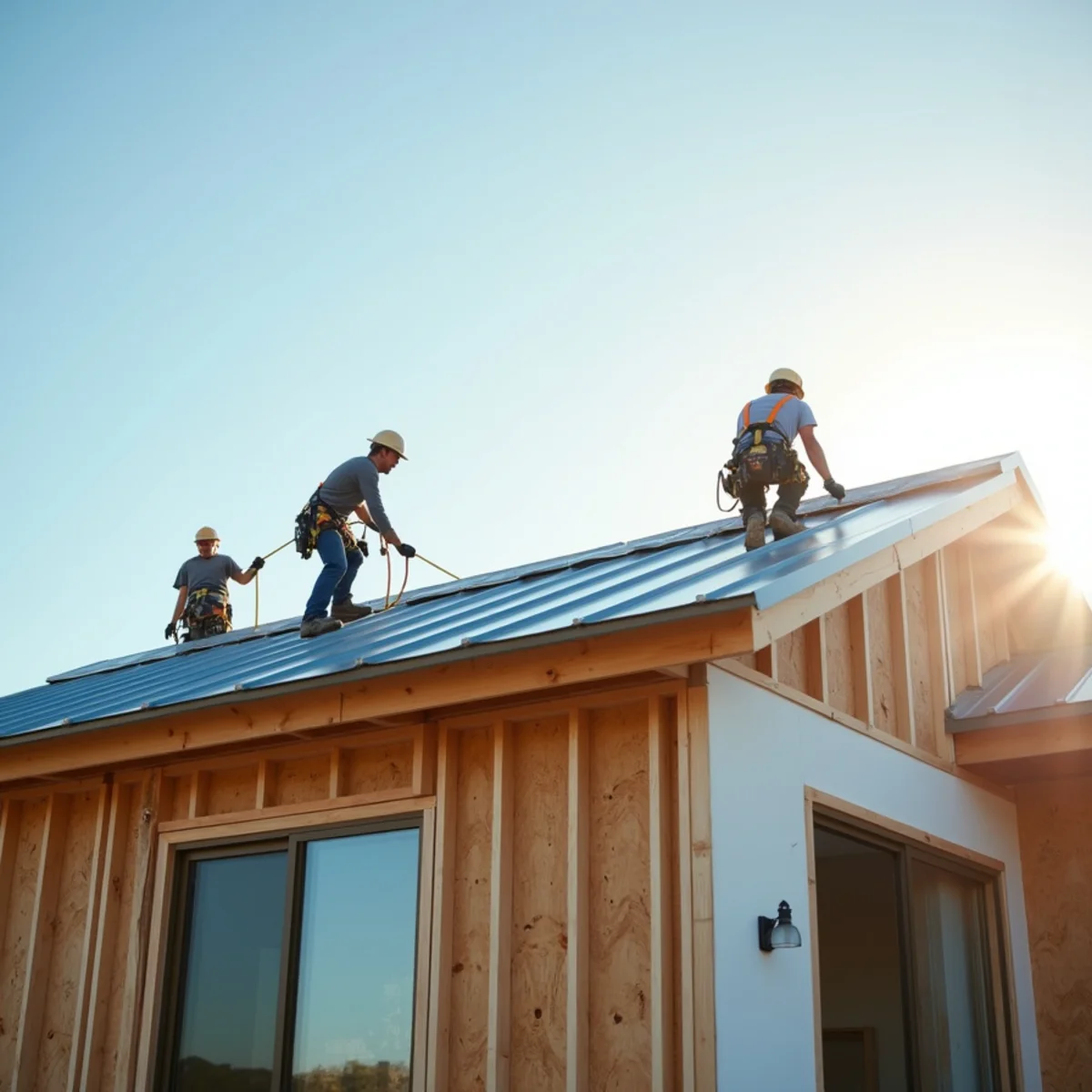
Building a new home, adding a second story, or extending your footprint in Oceanside means the roof should be right from day one. We coordinate with your architect and general contractor to install a system that meets code, matches your design, and is built for coastal conditions.
Understanding new roof installation in Oceanside
A new roof installation is roofing at its most straightforward: with no old covering to strip off and no years of hidden wear to inherit, every layer can be specified correctly from the first fastener. Most people arrive here in one of two ways — building a home or an addition and needing a roof from scratch, or putting a first roof over a brand-new structure like a garage, casita or extended footprint. Either way, this is the moment when durability for salt air, marine damp and coastal sun gets designed in rather than patched on later. Doing it right at the start costs far less than correcting it once the drywall is hung and the ceilings are painted, and it sets up a roof that holds up for the long haul.
How a new installation differs from a roof replacement
People use the phrase new roof installation to mean a few different things, so it helps to be clear. On a new build or an addition, there is no existing roof in the way — the framing and decking go up, and the roof is installed fresh over new wood. That is different from a roof replacement, where an aging roof on an existing home is torn off down to the deck before a new one goes on. The two share the same layers and the same coastal detailing, but a fresh installation has nothing to remove and no deferred damage to uncover, which means the finished roof is defined almost entirely by what gets specified up front. If your project is really an older roof that needs to come off, our roof replacement service is the better fit; if you are roofing something new, you are in the right place.
A roof is a system, not just a surface
It is easy to picture a roof as the shingles or tile you see from the street, but the visible material is only the outer layer of a system, and near the coast the layers you cannot see do the quiet, important work. A new installation is the one chance to get every one of them right at the same time:
- Decking, also called sheathing — the wood panels nailed across the rafters that form the roof's solid surface. Everything else fastens to it.
- Underlayment — the water-resistant membrane rolled over the decking. This is the real waterproof layer; the roofing above sheds most of the water, but the underlayment is the backstop that keeps the rest out.
- Flashing — the shaped metal that seals the joints where the roof meets walls, chimneys, skylights, valleys and vents. Most leaks begin at these transitions, not in the open field of the roof.
- Roofing material — the shingles, tile or metal that face the weather and give the roof its look.
- Ventilation — balanced intake and exhaust that lets heat and moist air leave the attic so the whole assembly stays dry and lasts.
The installation process, step by step
Every project has its own details, but a new roof generally comes together in a clear order, and knowing the sequence makes the work on your property easier to follow:
- Plan and specify — we confirm the design, the material, the underlayment, the flashing details and the ventilation for your roof's geometry and coastal exposure before anything is ordered.
- Prepare the deck — the sheathing is checked to confirm it is sound and properly fastened; on a new structure this is about verifying the framing crew's work rather than replacing rot.
- Dry-in — the underlayment and a drip edge (the metal strip along the roof's edges that steers water into the gutters) go on first, so the structure is weathertight even before the finish roofing arrives.
- Flash the details — valleys, wall junctions and the openings for vents, pipes and skylights are flashed in corrosion-resistant metal.
- Install the field — the roofing is laid to manufacturer specifications and code, usually working from the lower edge upward so each course overlaps the one below and sheds water.
- Close the ridges and vents — hips, ridges and exhaust venting are finished to seal the roof and let the attic breathe.
- Inspect and clean up — the finished roof is checked over, the site is cleared, and a magnetic sweep pulls stray nails from the driveway and yard.
Coordinating with your builder and design team
On a new build, roofing is as much a coordination job as a construction one. The roof has to honor the architect's design intent, tie in cleanly with the framing your general contractor has put up, and share the calendar with the other trades so no one is left waiting. Timing matters: the roof is usually dried-in — made weathertight with underlayment — before interior trades like drywall and finish work begin, so the inside of the house is protected along the way. We align early on pitch, geometry and how valleys and penetrations are handled, which keeps the roof from being forced to fit at the end of the job. We will walk you and your builder through the plan so the schedule holds, and when the work is done we document the finished installation and hand off the records for your project file.
Tying an addition or second story into an existing roof
An addition or a second-story build carries a wrinkle a fresh house does not: the new roof has to marry into the roof you already have. That junction — where new framing meets an existing slope — is a classic leak point if it is not flashed and underlaid with care, because it gathers water and absorbs the small movements of two structures along a single line. We also look hard at the age and condition of the existing roof, since tying a brand-new section into a covering near the end of its life rarely makes sense; we will say so plainly if that is what we find. Matching the new roofing to the existing material and profile is part of the work, and with older tile an exact match is not always on the market — we will show you the closest options before anything goes on, not after.
Choosing a roofing material built for salt and sun
New construction opens the full menu of materials, and the right pick follows both the architecture and how close the property sits to the water. There is no single best roof — each trades cost, appearance, weight and longevity differently:
- Asphalt shingle — the most affordable and flexible option, and a sound choice for traditional and ranch-style homes. Near the water it should be a high-wind-rated, algae-resistant product rather than a basic flat shingle.
- Clay and concrete tile — the look many Oceanside neighborhoods are known for, and a natural fit for Spanish, Mediterranean and Santa Barbara-style homes. Tile carries a long service life; the underlayment beneath it is the part renewed over time.
- Standing-seam metal — vertical panels with raised, interlocking seams. It suits contemporary coastal designs and holds up well to salt when the right alloy and finish are chosen.
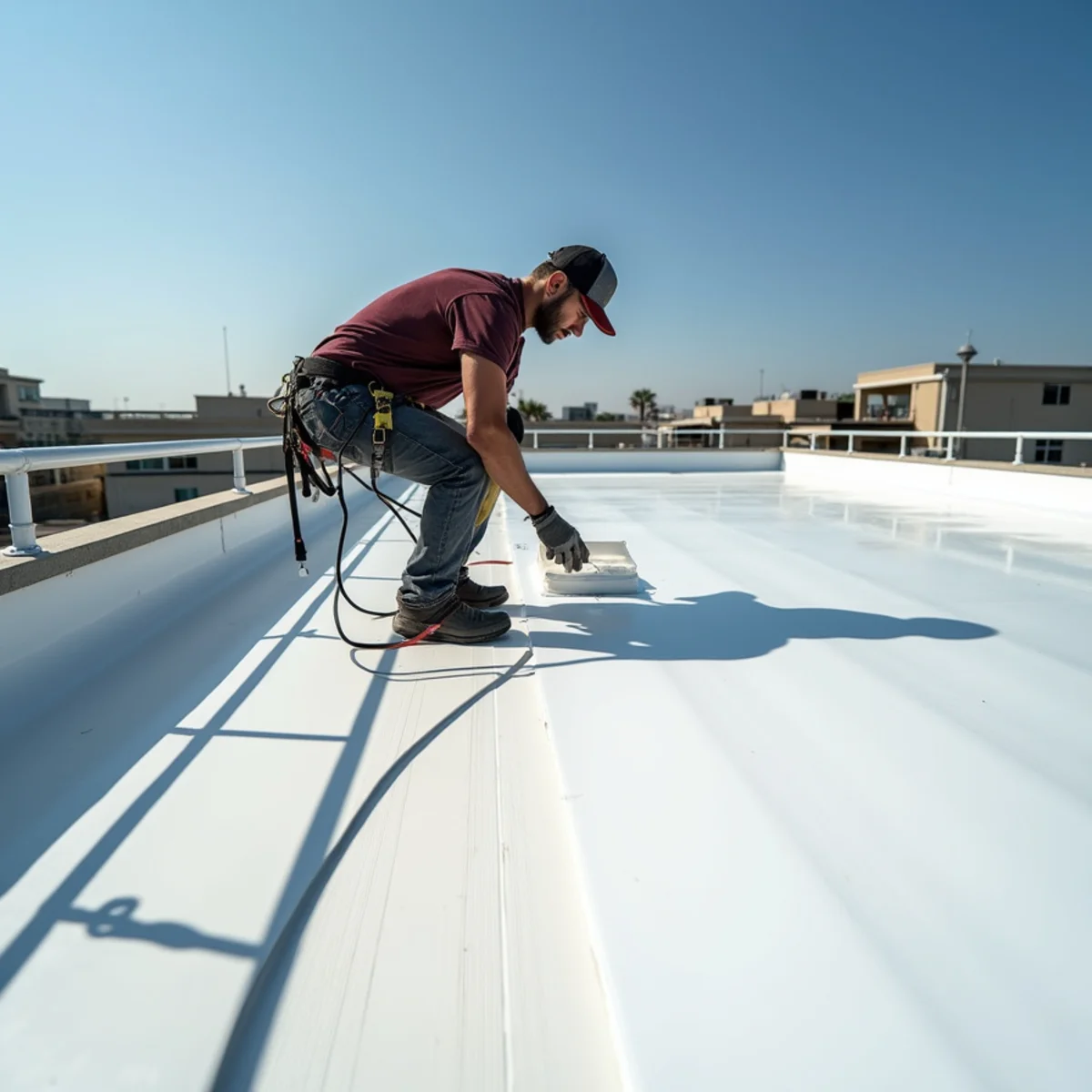
- Flat and low-slope membranes — for rooftop decks, modern additions and the crisp horizontal lines of newer designs. Low-slope means a roof too shallow to shed water by pitch alone, so drainage and seam detailing have to be deliberate.
Building for salt air, marine damp, sun and wind
Everything the ocean sends inland lands on the roof first, and a new installation is your chance to answer each of those forces before they start working on the materials. Salt-bearing air settles on metal and speeds up corrosion, so fasteners, flashing and exposed hardware are specified in corrosion-resistant material from the start rather than the standard parts that rust years sooner within sight of the water. The marine layer keeps roof surfaces damp long after inland roofs have dried, which favors underlayment and details chosen to handle persistent moisture and the shaded, north-facing planes where mildew likes to settle. Strong coastal sun breaks down lesser materials and dries out sealants over time, so UV resistance matters. And the occasional Santa Ana wind pulls at a roof's edges — an effect called wind uplift, where fast-moving air lifts materials off the deck — which is why edge detailing and wind-rated fastening are worth getting right on day one. None of this is cause for worry; it is simply why a coastal roof is specified differently from the generic advice written for the rest of the country.
Code, Title 24 and cool-roof requirements
A new roof in California has to satisfy the state building code and the Title 24 energy standards, which call for cool-roof performance on many new residential roofs. A cool roof is a surface that reflects more sunlight and releases absorbed heat, measured by a figure called the Solar Reflectance Index, or SRI — the higher the number, the cooler the roof runs in the sun. There are exceptions tied to roof slope, attic insulation and other factors, and because the standards are revised on a set cycle, we confirm the current edition and exactly how it applies to your project rather than assuming a particular version. A permit is generally required for a new roof, and we coordinate that paperwork rather than leaving it to you, confirming current requirements with the City of Oceanside as part of the job. Settling the code details up front keeps the project moving and the final inspection straightforward.
What shapes the scope of a new roof
No two roofs price out the same, and it helps to know what actually moves the scope so the numbers make sense when you see them. A few factors carry most of the weight:
- Design complexity and geometry — the number of roof planes, valleys, dormers, hips and penetrations. A simple gable is quick; a cut-up modern roofline takes more labor and more flashing.
- Material choice — tile, metal, shingle and membrane differ in cost, weight and installation labor, and heavier materials such as tile can affect the framing the structure needs.
- Pitch and access — a steep roof or a hard-to-reach site is slower and takes more care than a walkable slope with easy staging.
- Ventilation and code work — the intake and exhaust the design calls for, plus any energy-compliance details, add to the specification.
- Coordination with the build — how the roof has to fit the schedule and the other trades on a live construction site.
Planning for solar and the future
If solar panels are anywhere in your plans, the time to say so is now, before the roof goes on. A roof detailed to be solar-ready from the start — with the panel layout, attachment points and any conduit pathways considered early — spares you the cost and disruption of pulling roofing off later to add panels, and it fits the direction California building has been heading for years. The same forward thinking applies to other rooftop equipment, future skylights or a deck. A new installation is a rare clean slate, and a short conversation about what you might add down the road often saves a much larger bill later. Tell us your intentions early and we will detail the roof for them.
Common mistakes a new roof should avoid
Because a fresh installation is defined by its specification, most of the problems that surface years later trace back to choices made at the start. On a coastal roof the ones worth guarding against are consistent:
- Using standard fasteners and flashing where salt air demands corrosion-resistant hardware — it looks fine on day one and fails early.
- Treating underlayment as an afterthought, when it is the layer actually keeping water out.
- Skimping on ventilation, which traps heat and moisture in the attic and ages the roof from below.
- Detailing an addition's tie-in carelessly, turning the junction with the old roof into a future leak.
- Choosing a material or slope that does not match how the roof sheds water — for instance, treating a low-slope section like a steep one and leaving drainage to chance.
What to expect as the homeowner
A straightforward new roof often comes together in a matter of days, while a large or intricate design takes longer — the honest timeline depends on the roof's size and geometry, the material, the weather and how the work fits the rest of the build, and we give you a realistic one for your specific project rather than a stock promise. Expect some noise and activity while the work is underway, and expect us to keep you informed at each stage instead of going quiet. When it is finished, we run a final check, clear the site, and hand off documentation of the completed installation for your records — useful for the build file, for a future sale and for any warranty claim. New roofs are typically covered by both a manufacturer warranty on the materials and a workmanship warranty on the installation; the specific terms vary by product and scope, so we will walk you through what applies to your roof and encourage you to keep the paperwork.
Pairing a new roof with related work — and getting started
A new roof rarely stands entirely alone, and a build is the natural time to settle a few related details while the roof is open and the crew is on site. Designing balanced ventilation into the roof now is far easier than retrofitting it into a finished attic later. If your project ties into an existing roof, a roof inspection of that older section is worth having before you commit to the junction, so you are not marrying new work to a covering on its way out. Thinking through gutters, skylights and any low-slope deck areas at the design stage keeps water moving the way it should from the first rain. The best new roof starts with a conversation, well before the framing is up: tell us about the home or addition you are planning, the look you are after, and how close the property sits to the water, and we will walk you through the system, the material options and the coastal details that matter for your design — no pressure, no surprises. To talk through a new roof installation in Oceanside and the surrounding North County San Diego area, call (209) 758-8550.

Signs you may need new roof installation
- New construction that needs a complete roofing system
- A room addition or second-story that needs to tie into the existing roof
- A rooftop deck or modern flat section on a new design
- A design intended to be solar-ready
What's included
- Coordination with your builder and design team
- Tile installation for Spanish, Mediterranean and Santa Barbara-style homes
- Standing-seam metal for contemporary coastal designs
- High-wind-rated shingle systems for traditional and ranch-style homes
- Flat and low-slope systems for modern additions and decks
- Code and Title 24 compliance review
Our process
- 01
Coordinate
We align with your architect and general contractor on design, materials and schedule.
- 02
Specify
We confirm the system, underlayment, flashing and ventilation appropriate to the design and coastal zone.
- 03
Install
We install the roof to manufacturer specifications and California code.
- 04
Document
We document the completed installation and hand off records for your project file.
Materials commonly involved
- Clay and concrete tile
- Standing-seam metal
- High-wind-rated asphalt shingles
- Flat and low-slope membranes
Oceanside coastal considerations
- New installations are the ideal point to build in coastal durability: corrosion-resistant components, upgraded underlayment and correct ventilation.
- Designing the roof to be solar-ready now avoids costly retrofitting later, in line with California's solar-ready direction.
What affects the scope of your project
- Design complexity and roof geometry
- Material selection
- Coordination with other trades and the build schedule
- Code and energy-compliance requirements
Every roof is different. The best next step is a property-specific evaluation — we'll explain what we find in plain language and lay out practical options.
Frequently asked questions
Not quite. New installation puts a roof on something new — a new build, an addition or a new structure — where there is no existing roof to remove. A replacement tears off an aging roof on an existing home down to the deck before installing a new one. They use the same layers and coastal detailing, but a new installation has nothing to strip away and no hidden damage to uncover.
A straightforward roof can often come together in a matter of days, while a large or complex design takes longer. The real timeline depends on the roof's size and geometry, the material, the weather and how the work fits the rest of the build, so we give you a realistic estimate for your specific project rather than a stock number.
A permit is generally required for a new roof. We coordinate that paperwork rather than leaving it to you and confirm the current requirements with the City of Oceanside as part of the job. Requirements can change, so it is always worth verifying the latest rules for your specific project.
There is no single best choice — it depends on your home's style, budget, roof slope and how close you sit to the water. Clay and concrete tile, high-wind-rated shingle, standing-seam metal and low-slope membranes each trade cost, weight, appearance and longevity differently. What matters most on the coast is corrosion-resistant hardware, good underlayment and a material matched to how the roof sheds water.
Many new residential roofs must meet the Title 24 energy standards, which call for cool-roof performance measured by the Solar Reflectance Index (SRI). There are exceptions tied to slope, attic insulation and other factors, and the standards are revised on a cycle, so we confirm the current edition and how it applies to your specific roof rather than assuming one version.
On a new build, the roof is usually dried-in — made weathertight with underlayment — after the framing and decking are up and before interior trades like drywall and finish work begin, so the inside of the house is protected. We coordinate the timing with your general contractor and the other trades so the schedule holds.
The roofing material — shingles, tile or metal — is what you see, and it sheds most of the water and gives the roof its look. The underlayment is the water-resistant membrane beneath it, laid over the decking, and it is the real waterproof backstop. On a coastal roof the underlayment often matters as much as the surface, which is why it is specified with care on a new installation.
New roofs are typically covered by two kinds of warranty: a manufacturer warranty on the materials and a workmanship warranty on the installation. The specific terms and lengths vary by product and by the scope of your project, so we will walk you through what applies to your roof and encourage you to keep the documentation with your records.
Related services
Relevant roof types
Next step
Discuss New Roof Installation in Oceanside
Tell us what you're seeing and we'll help you decide the sensible next step.