Loading…
Oceanside Neighborhoods
Roofing in Rancho Del Oro, Oceanside
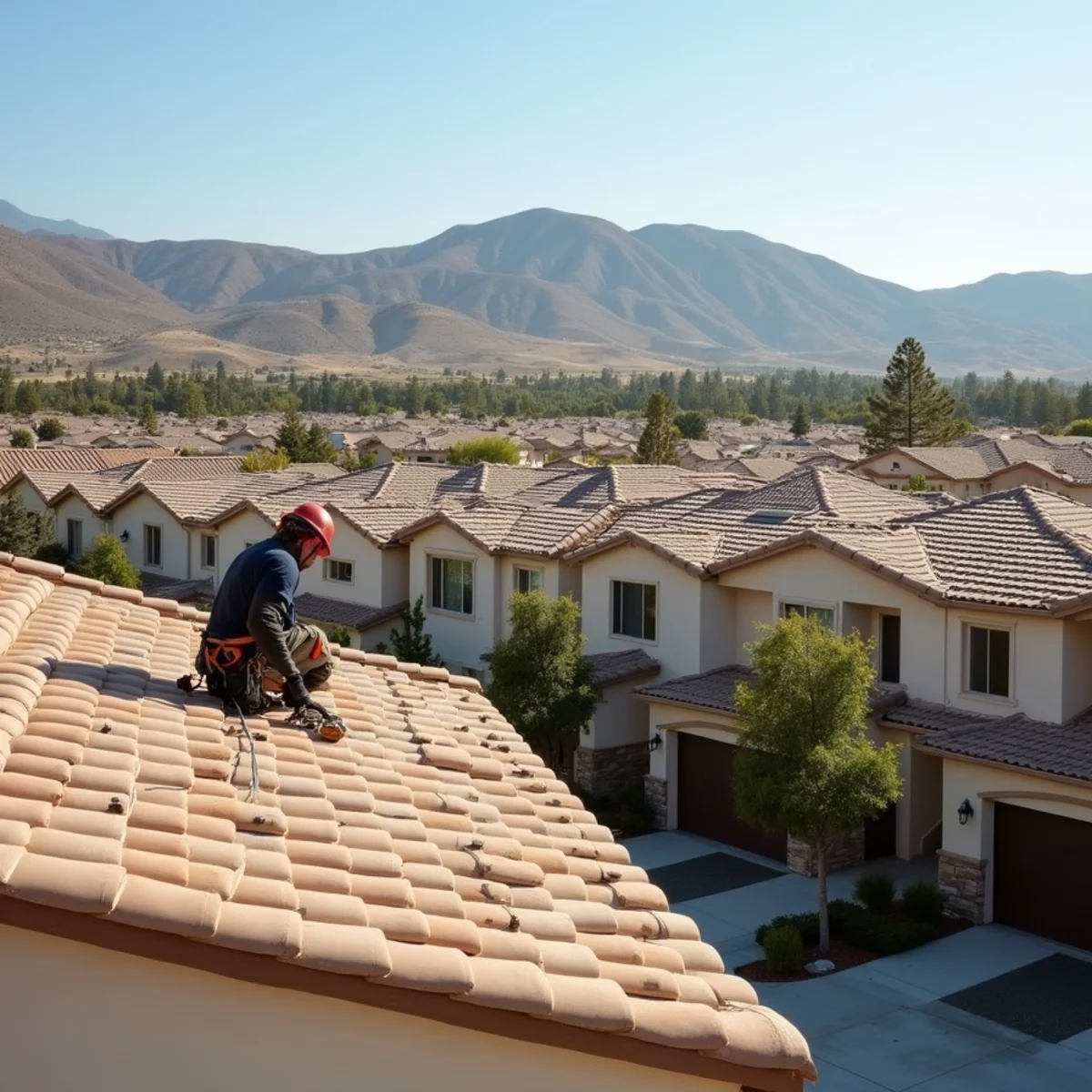
Rancho Del Oro is a newer, planned area of Oceanside with a high proportion of tract and HOA-governed homes. Roofing here often involves architectural guidelines and materials chosen for consistency across the community.
Common property styles
Rancho Del Oro features newer stucco and contemporary homes, frequently with concrete tile roofs and consistent community aesthetics governed by HOAs.
Roofing materials you'll see here
- Concrete tile
- Cool-roof asphalt shingles
- Flat sections on modern designs
Exposure considerations
Positioned inland from the coast, Rancho Del Oro sees more heat and less direct salt. Cool-roof options and attic ventilation are especially relevant for newer homes here.
Maintenance guidance
Even newer roofs benefit from periodic inspection and maintenance to protect their warranties and catch small issues. HOA guidelines may affect any material or color changes.
Roofing Considerations Specific to Rancho Del Oro
Rancho Del Oro sits inland in the eastern part of Oceanside, and it is one of the areas that was drawn up as planned neighborhoods rather than growing house by house. Whole tracts of stucco homes went up in phases within a similar window, so a Rancho Del Oro street usually carries roofs of a similar age and a similar build — most often concrete tile over a relatively young home. For a lot of owners here that puts the roof in a comfortable middle stretch of its life: past the early years, nowhere near the end. The roofing conversation in this neighborhood is therefore less about rescuing something that has failed and more about looking after something sound so it reaches its full service life without surprises.
Being set back from the water also changes what a roof here contends with. Rancho Del Oro trades the coast's salt air for heat, strong sun and the occasional dry Santa Ana wind. There is far less of the corrosive marine salt that drives beachfront material choices, and far more of the daily heat and ultraviolet light that ages a roof slowly from above. The things worth your attention lean that way too — toward heat, airflow, drainage and the details that quietly age first, rather than corrosion.
What a typical Rancho Del Oro roof is made of
Most homes in Rancho Del Oro wear concrete tile on a moderately pitched, stucco-walled frame — the look the builders carried across these tracts. It helps to picture the roof as a system rather than a single surface. The tile you see is the outer shell: it takes the sun and sheds most of the rain, and it is usually the longest-lived part of the whole thing. Underneath sit the parts that do the quieter work — the battens the tile hooks onto, a water-resistant underlayment laid over the wood decking, and the metal flashings that seal the edges, valleys and anything that pokes through. Water that slips past a tile in a wind-driven storm is meant to land on that underlayment and run off, so the layer you cannot see is the one actually keeping the house dry.
Some homes also have a low-slope section over an entry or a patio, and those flatter areas drain and wear differently from the main tile field. They are worth looking at on their own terms rather than assuming the whole roof ages as one piece.
Inland heat and sun, not salt
The single biggest force on a Rancho Del Oro roof is heat. Day after day the sun warms the tile and the air trapped beneath it, and it cools again overnight, and that steady expanding and contracting is what slowly tires sealants, flashings and underlayment over the years. Ultraviolet light adds to it, breaking down exposed materials from above. Because of that, the slopes facing south and west — the ones taking the most direct afternoon sun — tend to age a step ahead of shaded northern slopes on the same house, so it is normal for one plane of a roof to need attention before another.
Salt plays a much smaller role this far inland than it does near the harbor. What does reach here is the occasional hot, dry Santa Ana wind, which can lift or crack a tile, and — because the inland edge of the city runs up against open, brushy ground — good reason to keep a roof clear of dry debris. Concrete tile is a non-combustible, fire-rated roofing material to begin with, which is one of the reasons it is so common on homes in this part of Oceanside.
Most roofs here are in the maintenance stage
Because so many Rancho Del Oro roofs went on within a few years of each other, a lot of them are in the same phase now: sound, still doing their job, and reaching the point where the small, hidden details start to matter more than the tile. That is a good place for a roof to be, and it rewards a plan over a scramble. A light touch — a periodic look, a little record-keeping, clearing debris before the rainy season — is usually all a roof at this stage asks for, and it is what keeps a young roof from quietly turning into a leak.
- Have the roof looked over periodically even when nothing seems wrong; the goal is to catch a worn sealant or a lifted tile before it lets water in.
- Keep the paperwork from when the home was built or last re-roofed; material warranties often depend on the roof being maintained and installed to specification.
- Clear leaves and debris out of valleys and gutters before the winter rains so water drains freely instead of backing up under the tile.
- After a strong, dry Santa Ana, take a ground-level look for shifted or cracked tile even if nothing is leaking inside.
The underlayment is the part that ages first
If there is one thing to understand about a tile roof in Rancho Del Oro, it is that the tile and the roof do not age at the same rate. The concrete tile can shrug off sun and rain for a very long time, while the underlayment beneath it — that hidden water-resistant sheet — dries out and grows brittle sooner, especially at the laps where one course of the sheet overlaps the next. Under years of inland heat, that layer usually reaches the end of its useful life well before the tile above shows any wear.
This is why crisp-looking tile is not proof of a sound roof, and why a leak can appear over a roof that looks perfect from the street. When underlayment renewal does come due, the tile is often carefully lifted off, set aside and relaid over fresh underlayment, so the same tile can go back on — which matters in a neighborhood where the tile's profile and color are part of the deal.
Flashings, valleys and the spots that leak first
Leaks on a roof like this rarely start in the wide, open field of tile. They start at the transitions — the valleys where two slopes meet and funnel water, the flashings around vent pipes and any skylight, and the sealant at those penetrations. Those details take more punishment and weather faster than the broad tile surface, and they are the usual first place water finds a way in. Keeping an eye on them, and refreshing sealant or flashing when it begins to go, is a small job that heads off a much larger one.
Why attic ventilation matters more inland
On an inland roof, attic ventilation quietly does a lot of the work of keeping the whole assembly healthy. Ventilation is a balanced pair: intake vents down low at the eaves draw cooler air in, and exhaust vents up high near the ridge let the hottest air escape. When that balance is right, heat and moisture move up and out instead of collecting under the deck and baking the underlayment from below — which, in Rancho Del Oro's heat, is exactly the slow cooking you want to avoid.
On a newer home it is worth confirming the builder set that balance up well. Upstairs rooms that run hot, or an attic that feels like an oven in summer, can be a hint that the airflow is not keeping up, and it is a good thing to check alongside any repair.
Cool roofs, Title 24 and permits when replacement comes
When a full replacement eventually comes around — and for most homes here that is still some years off — it is the natural moment to weigh cool-roof materials. A cool roof is rated by its Solar Reflectance Index, or SRI, a measure of how well a surface reflects sunlight and sheds the heat it does absorb; higher-SRI tile and shingle can lower attic temperatures and take some load off summer cooling.
California's Title 24 energy standards call for cool-roof performance on many replacement roofs, with exceptions tied to things like slope and insulation. Those standards are revised on a cycle and permit requirements can change, so the current edition — and whether your specific project needs a permit — is worth confirming with the City of Oceanside before work begins. We will walk you through what the current rules mean for your roof so there are no surprises.
Every tract has its own HOA guidelines
Rancho Del Oro is not one uniform community but a collection of planned tracts, and many of them have their own homeowners association with its own architectural guidelines. That is worth flagging early, because those guidelines usually have a say in the roofing material, the tile profile and the color — and the specifics tend to differ from one tract to the next rather than following a single neighborhood-wide rulebook.
Before committing to anything, it pays to know what your own community allows, whether a like-for-like renewal needs sign-off, and how close a match is required. Matching becomes the tricky part when a home's original tile is no longer made; because so many roofs here share a build era, an exact match is not always available, and planning around that from the start keeps a project from stalling after materials are ordered.
Solar panels and the roof underneath
A growing number of roofs in newer Oceanside tracts carry solar panels, and they change the maintenance picture in a couple of ways worth knowing. The panels are anchored through the roof, so the flashing and seals at those mounts become one more set of details to keep an eye on. And because the underlayment beneath still ages on its own schedule, a roof that needs its underlayment renewed while panels are in place means the panels have to come off and go back on as part of the job.
The practical takeaway is one of timing. If a roof is getting close to the stage where underlayment renewal is on the horizon, it is worth thinking that through before, or alongside, a solar decision rather than after — so you are not paying to remove and reset panels sooner than you had to.
Landscaping, irrigation and the little things
The planned lots in Rancho Del Oro often come with established landscaping and regular irrigation, and both touch the roof indirectly. Trees that have grown up over the years drop leaves and needles that collect in valleys and gutters, and where that debris dams up, water backs up under the tile instead of draining away. Routine irrigation keeps the yard green but also keeps the air around a roof a little damper than the dry inland average, which is one more reason to keep valleys and gutters clear so surfaces shed water and dry as they should. None of it is dramatic; it is just the ordinary upkeep that lets a good roof stay good.
Knowing when to inspect, repair or replace
For a neighborhood full of roofs in their middle years, most of the decisions here are about inspection and targeted repair rather than replacement. A periodic inspection tells you where a roof actually stands — whether the underlayment has life left, whether a flashing or some sealant needs refreshing, whether a cracked tile or two should be swapped — and it lets you budget on your own timeline instead of reacting to a leak. Replacement becomes the conversation when the underlayment across the whole roof has reached the end of its run, or when small repairs start stacking up.
Wherever your roof sits on that path, the aim is the same: give you a clear read on its condition and honest options, walk you through what each one involves, and keep the work in step with your community's guidelines and the City of Oceanside's requirements — so there are no surprises along the way.
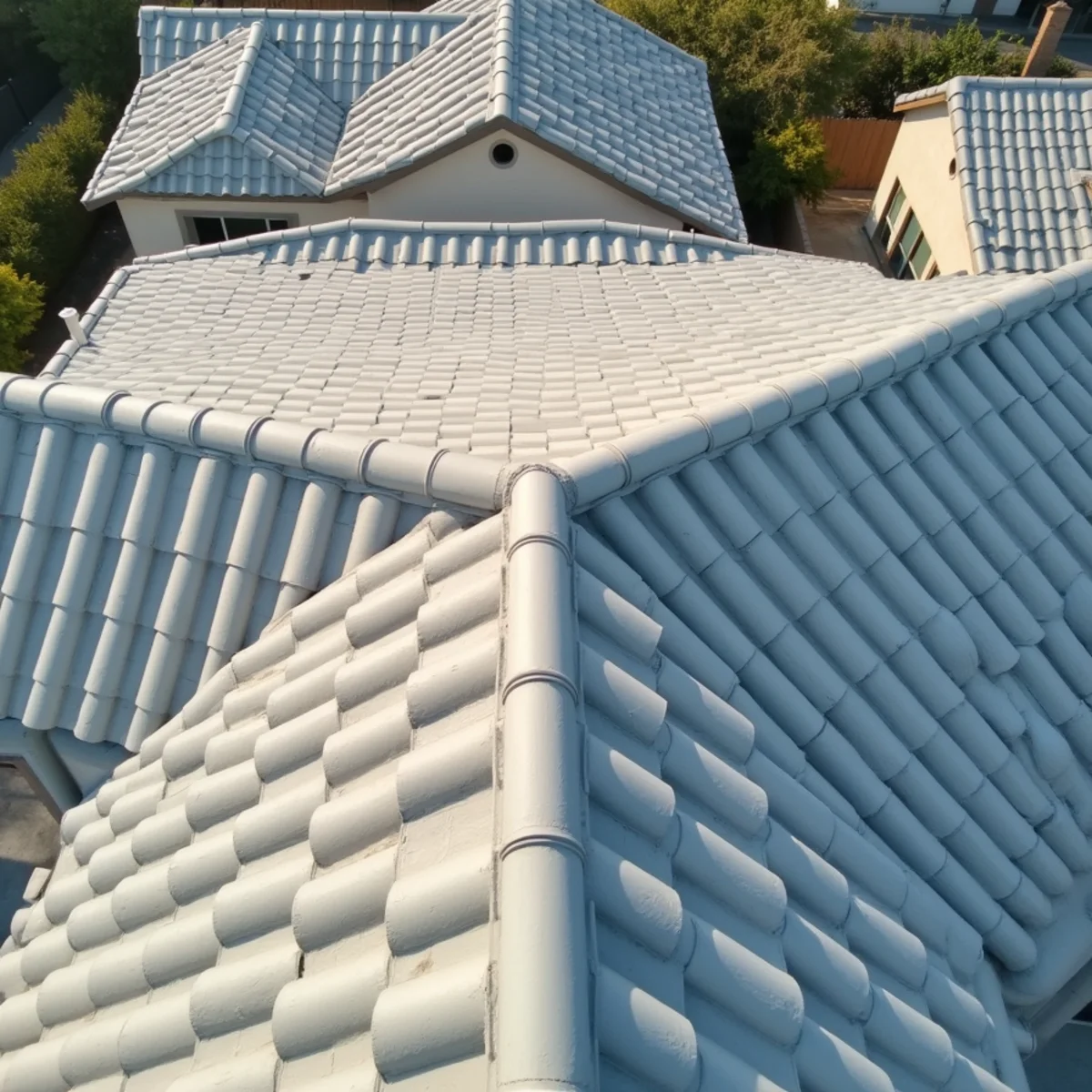
Not sure where your roof stands?
Try the Roof Condition Assessment for a quick, general read — it doesn't replace an on-site inspection.
Frequently asked questions
On concrete tile, the tile and the roof do not age at the same rate. The tile can look crisp for a very long time while the underlayment beneath it — the hidden layer that actually keeps water out — dries and grows brittle first, especially in inland heat. That is why a periodic look at the parts you cannot see is worthwhile even when the tile looks perfect.
Not necessarily. Rancho Del Oro is made up of several planned tracts, and many have their own homeowners association with its own architectural guidelines for roofing material, tile profile and color. It is best to check what your specific community allows rather than assume one neighborhood-wide rule.
Much less than near the coast. Set inland, this area sees far less corrosive marine salt and much more heat, strong sun and the occasional dry Santa Ana wind. Roofing considerations here lean toward heat management, ventilation and drainage rather than corrosion.
Keep valleys and gutters clear so water and debris drain instead of backing up, make sure the attic is ventilated so heat can escape, and have the underlayment, flashings and sealant checked periodically even while the tile looks fine. Those small habits are what let an inland tile roof reach its full service life.
Roofing permit requirements are set by the City of Oceanside and can change, so the current rules — and whether your specific project needs a permit — are worth confirming with the city before work begins.
California's Title 24 energy standards require cool-roof performance on many replacement roofs, with exceptions tied to factors like slope and insulation. Because those standards are updated on a cycle, it is best to confirm the current edition and how it applies to your roof with the City of Oceanside.
Solar panels are anchored through the roof, so their mounts and seals are extra details to watch, and if the underlayment beneath needs renewal while panels are installed, the panels usually have to be removed and reset as part of the job. If underlayment renewal is on the horizon, it helps to think through the timing before or alongside a solar decision.
Often, yes. The existing tile can frequently be lifted off, set aside and relaid over fresh underlayment, which keeps the original profile and color in place — useful where community guidelines expect a consistent look. Matching is the harder part only when some tile is broken or missing and the original is no longer made.
Relevant services
Nearby Oceanside areas
Rancho Del Oro
Roofing Help in Rancho Del Oro
Tell us what you're seeing and we'll help you take the next sensible step.