Loading…
Roofing Services · Specialized
Emergency Roof Repair in Oceanside, CA
Temporary protection and leak mitigation after storms, wind and sudden leaks.
Active emergency?
If you have an active leak or storm damage, call (209) 758-8550to check current urgent-service availability. Don't climb onto a wet or damaged roof.
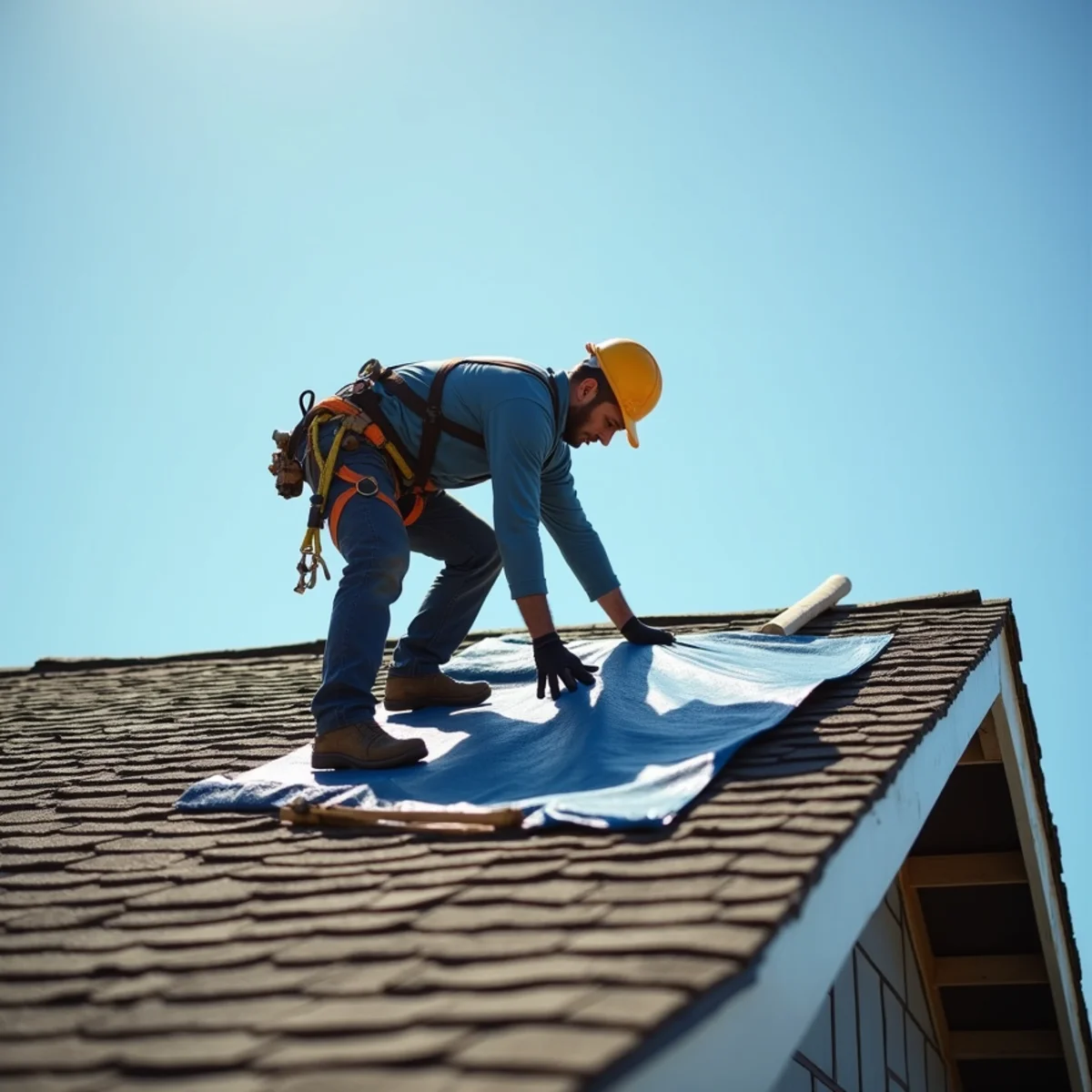
When a Santa Ana wind lifts shingles or a leak appears during winter rain, the priority is stopping further water intrusion and keeping people safe. Call to check current urgent-service availability. In the meantime, there are a few things you can — and shouldn't — do.
Understanding emergency roof repair in Oceanside
When water is coming in during a storm, or a gust has torn shingles loose overnight, two things matter more than anything else: keeping people safe and stopping the water from doing more damage. Everything else can wait. If you are dealing with an active leak or fresh wind damage in Oceanside, call (209) 758-8550 to check current urgent-service availability — we will be straightforward about what we can do and when, rather than make a promise we cannot keep.
An emergency, in roofing terms, is any situation where the roof has stopped keeping water out and the problem is getting worse by the hour — an active drip spreading across a ceiling, tiles or shingles blown off in a wind event, or a limb that has come down on the roof. The goal in those first hours is not a permanent repair. It is to limit the damage safely and buy time to do the real fix properly.
What to do right now — and what to leave alone
A few simple steps can protect your home and yourself while you wait. Just as important is knowing what not to do.
- If it is safe, contain the water — a bucket under the drip and a towel to slow the spread help more than you would think.
- Move furniture, electronics and valuables away from the water, and switch off power to the affected area if ceiling fixtures are involved.
- Photograph the damage inside and out, from the ground, which helps later if you file an insurance claim.
- Do not climb onto the roof. A wet or storm-damaged roof is genuinely dangerous — surfaces are slick and a compromised roof can give way underfoot.
- Stay clear of any ceiling that is sagging or holding water, and keep well away from downed limbs or power lines around the house.
How temporary protection buys you time
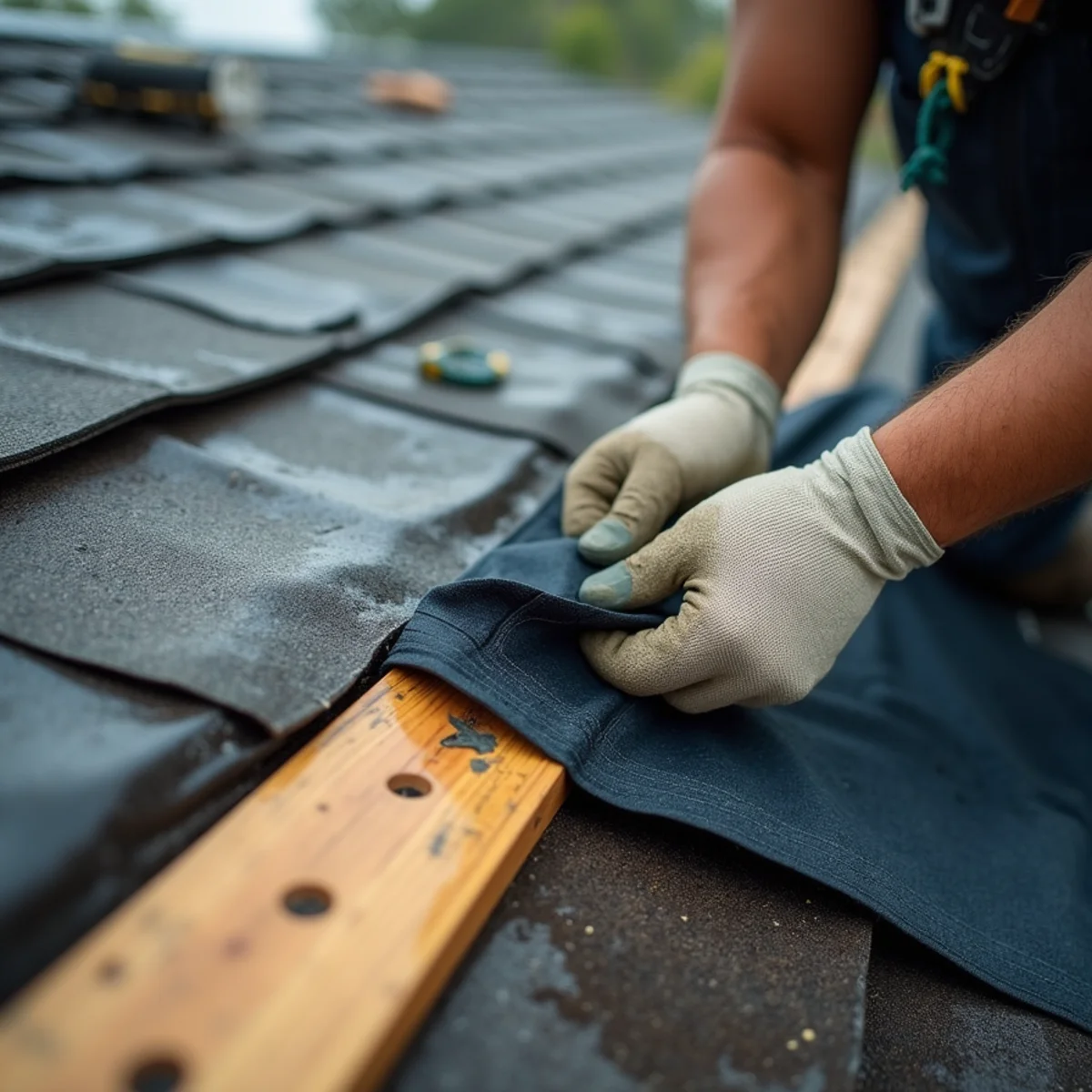
The first on-roof step in most emergencies is temporary protection — usually a weather-resistant tarp fastened over the damaged area to stop water entry until conditions allow a lasting repair. It is a stopgap, not the finish line, and we are clear about that. Weather and safe access come first: if it is not safe to be on the roof, the right call is to wait, because rushing onto a wet roof helps no one. Once the immediate water intrusion is under control, the pressure is off and the permanent repair can be planned and completed correctly rather than in a scramble.
It is worth knowing what to expect when you call, so there are no surprises. We will ask what you are seeing — where the water is coming in, whether anything has blown off, whether a limb or debris is involved — so we can gauge how urgent the situation is and what is realistic. From there we will be honest about timing rather than quote a number we cannot stand behind. If the safest move is to protect the inside of your home and wait out active weather, we will tell you plainly; a tarp goes on when the roof can be reached safely, not a moment before. None of that is meant to slow you down — it is how a genuine emergency gets handled without anyone taking an unnecessary risk on a slick, storm-stressed roof.
Documenting the damage and planning the real repair
Good documentation matters when an insurer is involved. We can provide a photographed record of the damage and a written assessment you can share with your insurance company. To be clear about what any roofer can and cannot promise: the coverage decision rests with your insurer, and no contractor can guarantee a claim will be approved. One practical note — most policies limit how long you have to report damage, so it is worth arranging an assessment as soon as it is safe to do so.
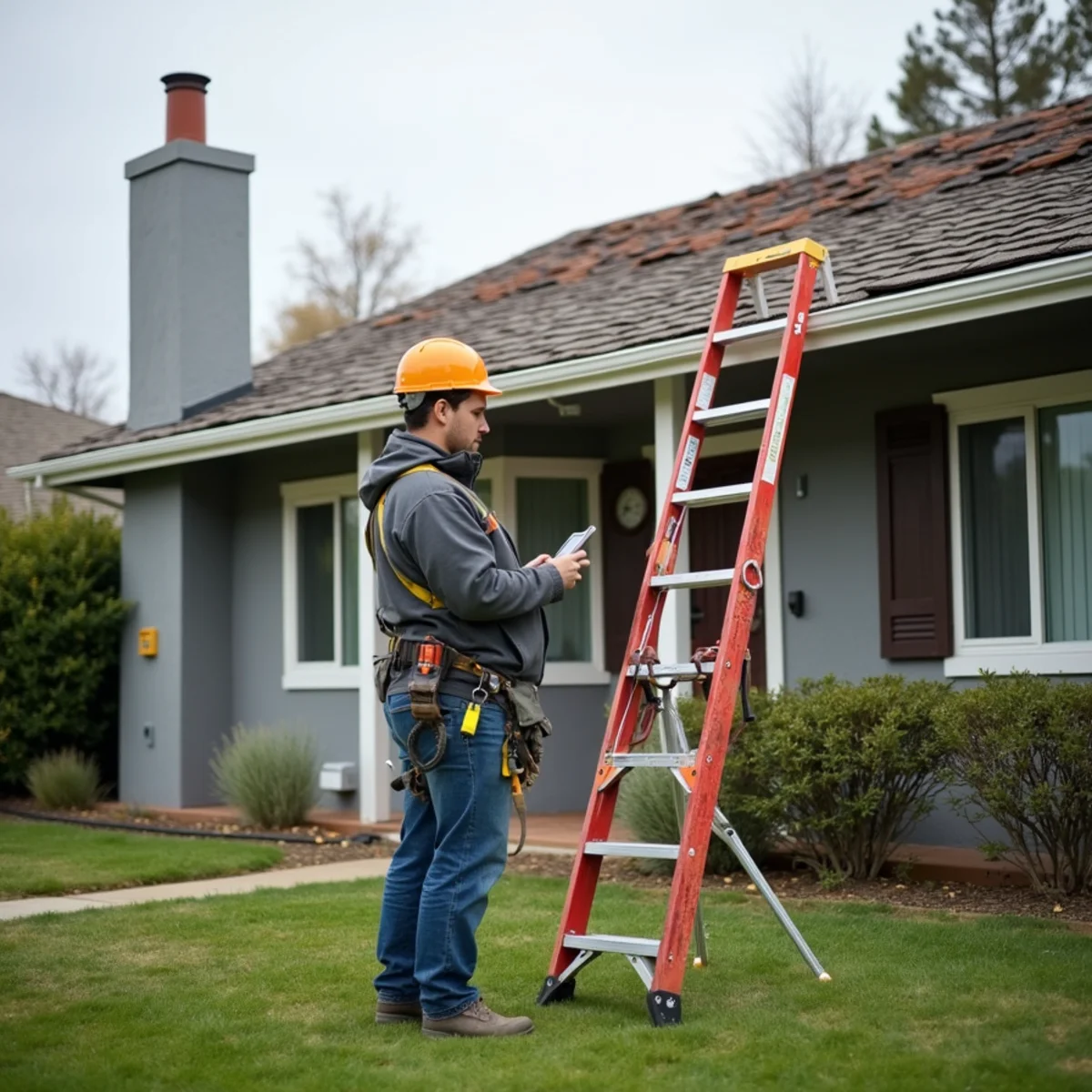
After the immediate risk is handled, we schedule a follow-up evaluation to find the full extent of the problem and plan the permanent repair. That is also when hidden damage tends to surface. Wind can loosen materials or lift flashing — the thin metal that seals the roof's joints — without leaving an obvious leak, so we look beyond the one spot that was dripping. The urgent phase keeps your home dry; the follow-up makes sure the fix actually holds.
Signs you may need emergency roof repair
- An active, dripping leak during or after rain
- Shingles or tiles blown off in a wind event
- A tree limb or debris that has struck the roof
- Water spreading across a ceiling or down a wall
What's included
- Temporary tarping to stop water entry until a permanent repair
- Leak mitigation and containment guidance
- Wind-damage assessment (ground-level and drone-assisted where suitable)
- Documentation you can use for an insurance claim
- A follow-up evaluation to plan the permanent repair
Our process
- 01
Call
Call (209) 758-8550 so we can understand the situation and check current availability.
- 02
Protect
We prioritize stopping further water intrusion, typically with temporary tarping.
- 03
Document
We document the damage with photos to support an insurance claim if applicable.
- 04
Plan
We schedule a follow-up evaluation to plan and complete the permanent repair.
Materials commonly involved
- Heavy-duty, weather-resistant tarps and temporary fasteners
- Materials for the permanent repair determined after evaluation
Oceanside coastal considerations
- After a strong wind event, do a ground-level check for lifted or missing shingles even if you don't see a leak — wind-uplift damage often goes unnoticed until the next rain.
- Do not climb onto a wet or damaged roof; surfaces are slippery and a compromised roof can be unstable.
What affects the scope of your project
- Severity and extent of the damage
- Weather and safe access conditions
- Whether temporary protection or a full repair is needed
Every roof is different. The best next step is a property-specific evaluation — we'll explain what we find in plain language and lay out practical options.
Frequently asked questions
Any situation where the roof has stopped keeping water out and is getting worse, or where damage has made the structure unsafe — an active leak during rain, shingles or tiles torn off by wind, a limb resting on the roof, or a sagging ceiling. A minor issue with no water coming in can usually wait for a scheduled repair.
If it is safe, contain the water with a bucket and towels, move valuables clear, switch off power near any wet fixtures, and photograph the damage inside and out from the ground. Do not go up on the roof — a wet or storm-damaged roof is dangerous to walk.
It is best not to during active wind or rain. Getting a tarp to hold safely takes proper footing and equipment, and a slick, storm-stressed roof is dangerous. Protect the inside of your home and let temporary tarping be done from the roof once conditions are safe.
Yes. Wind uplift can break the seal that holds shingles and tiles down and loosen flashing without opening an obvious hole, so the roof may look fine and then leak during the next heavy rain. A ground-level check after a strong wind event is worthwhile.
That depends on your policy and the cause of the damage, and the coverage decision rests with your insurer. We can provide photographs and a written damage assessment to support a claim, but no roofer can promise a claim will be approved.
As soon as it is safe to arrange an assessment. Many policies limit how long you have to report storm damage, so acting promptly keeps your options open and gives you a documented record of the roof's condition.
No — a tarp is a stopgap that stops further water entry until a lasting repair can be done properly. After the immediate risk is handled, a follow-up evaluation finds the full extent of the damage and plans the permanent repair.
It is worth a prompt assessment even without a leak. Missing or lifted shingles mean the roof is no longer fully sealed, and the next rain can find its way in. Whether it is urgent or can be scheduled depends on the weather and how exposed the area is.
It depends on the severity and extent of the damage, safe access and weather conditions, and whether temporary protection or a full repair is needed. After an evaluation we can explain the scope for your specific situation rather than guess at a number.
Related services
Relevant roof types
Next step
Discuss Emergency Roof Repair in Oceanside
Tell us what you're seeing and we'll help you decide the sensible next step.