Loading…
Roof Types
Cool Roofing in Oceanside, CA
Reflective materials that cut heat gain and support California Title 24 compliance.
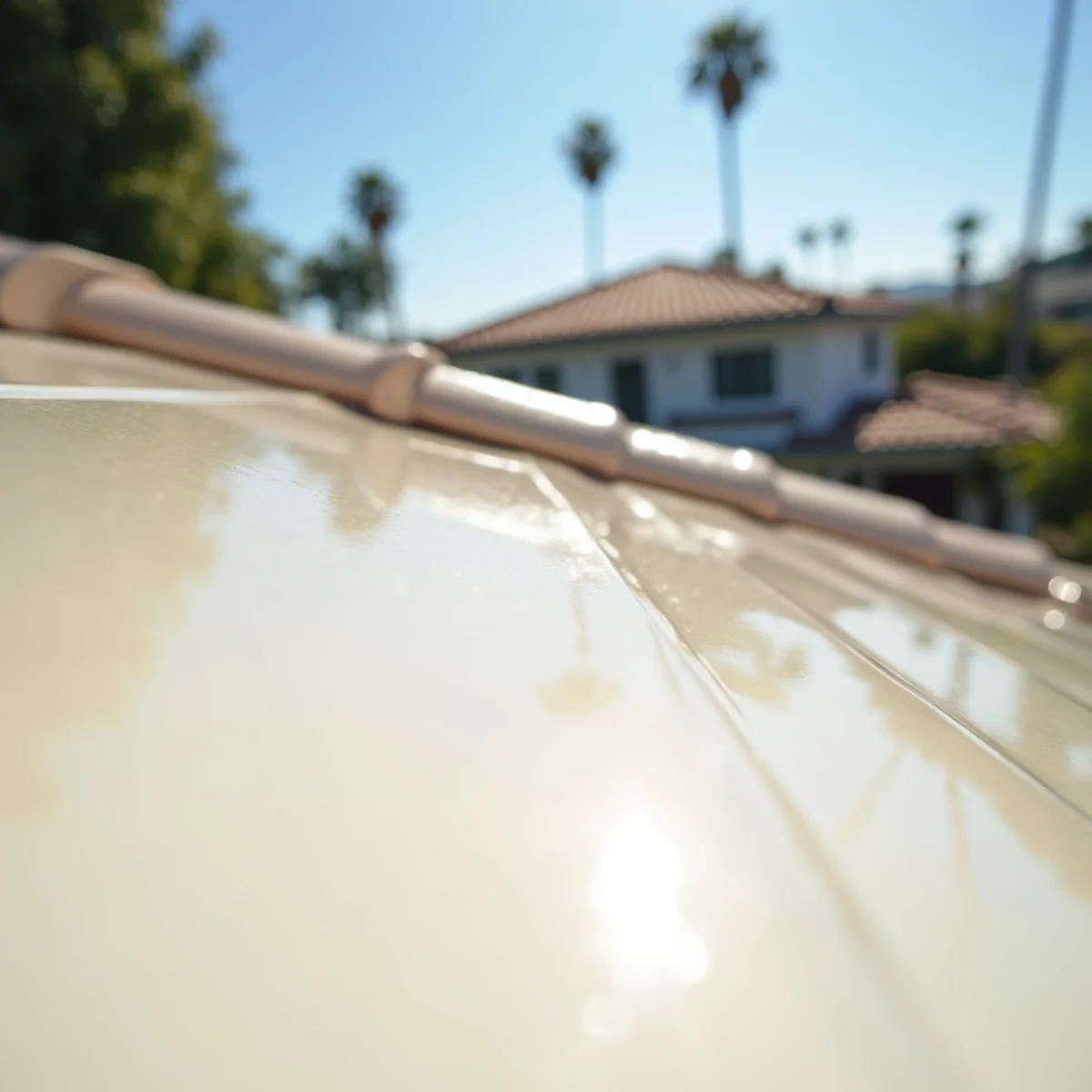
"Cool roofing" refers to roofing materials designed to reflect more sunlight and absorb less heat than a standard roof — measured by a value called the Solar Reflectance Index (SRI). Cool roofing isn't a single material; it's a rating that applies across shingles, tile, metal and membranes, and it's central to California's Title 24 energy standards for many new residential roofs.
Cool Roofing on Oceanside Homes
If you have started shopping for a new roof in Oceanside, you have probably run into the phrase "cool roof" and pictured a particular product on a shelf. It does not work that way. Cool roofing is a level of performance, not a material — a measure of how much sunlight a roof bounces away instead of soaking up as heat. That distinction changes the decision in front of you. You are not choosing a cool roof instead of the tile, shingle, metal, or membrane you had in mind; you are choosing how reflective that roof will be. It also matters because California's Title 24 energy code leans on this exact measure, so for many new and replacement roofs the real question is not only whether you want a cooler roof but whether the code expects one.
Cool roofing is a rating, not a product
The rating at the center of it all is the Solar Reflectance Index, or SRI — a single number that captures how cool a roof surface runs in full sun. The scale is anchored at two ends: a standard dark, heat-soaking surface sits near zero, and a bright, highly reflective one sits near one hundred. The higher the SRI, the less heat the roof takes on under the same sun.
Because it is a rating rather than a recipe, it travels across materials. There are cool-rated asphalt shingles, cool-rated concrete and clay tiles, reflective metal panels, and reflective flat-roof membranes and coatings. In practice that means you can usually keep the material and the look you want and simply ask for a version that meets the reflectance you need — the performance rides on top of the material rather than replacing it.
The two numbers behind the rating
SRI is built from two simpler properties, and it helps to know both. The first is solar reflectance — the share of the sun's energy the surface bounces straight back rather than absorbing. The second is thermal emittance — how readily the surface sheds the heat it does absorb rather than holding onto it. A good cool roof does both: it reflects a large portion of the sunlight, and it releases whatever heat sneaks past instead of banking it and radiating it down into the attic. The index folds those two figures into the single SRI value that product labels and the energy code refer to.
Why "aged" reflectance matters
There is a wrinkle worth understanding before you compare products. A brand-new roof reflects at its best on day one, then loses a little of that reflectance as dust, pollen, and growth settle onto it. For that reason the ratings that count — the ones the energy code uses — are the aged values, measured after the surface has weathered for a few years, not the fresh-off-the-truck numbers.
On the coast this is not academic. Oceanside's marine layer, the fine salt film that coastal air leaves behind, and the algae that damp mornings encourage all dull a reflective surface faster than a dry inland climate would. It is one reason keeping a cool roof reasonably clean is part of getting the benefit you paid for, and a reason to look at aged rather than initial numbers when you weigh materials.
You are not stuck with a white roof
A common worry is that going cool means going white, which suits a flat commercial roof far better than a Spanish-tile home in South Oceanside. That used to be the trade-off. It no longer is. Much of a summer day's solar energy arrives as near-infrared light the eye cannot see, and roofing pigments have been developed that reflect a large share of that invisible energy while still reading as a deep terracotta, a weathered brown, or a charcoal gray. These are usually called cool-color or infrared-reflective pigments.
The upshot is that a roof can look like a rich, dark color from the street and still carry a respectable reflectance rating. You rarely have to trade the character of your home for the performance the code or your own comfort calls for.
How cool roofing shows up in each material
Because the rating rides on top of the material, what a cool roof looks like in practice depends on what it is made of. A few examples for the choices Oceanside homeowners weigh most often:
- Asphalt shingles: reflective granules raise the surface's reflectance, and cool-rated versions come in many common styles and colors.
- Concrete and clay tile: cool-color pigments, the air gap the tile profile naturally creates, and on some installs an above-sheathing ventilation channel that lets air move beneath the tile all work together to hold attic heat down.
- Metal panels: many finishes are reflective by nature, and reflective coatings push the rating higher while keeping the color you choose.
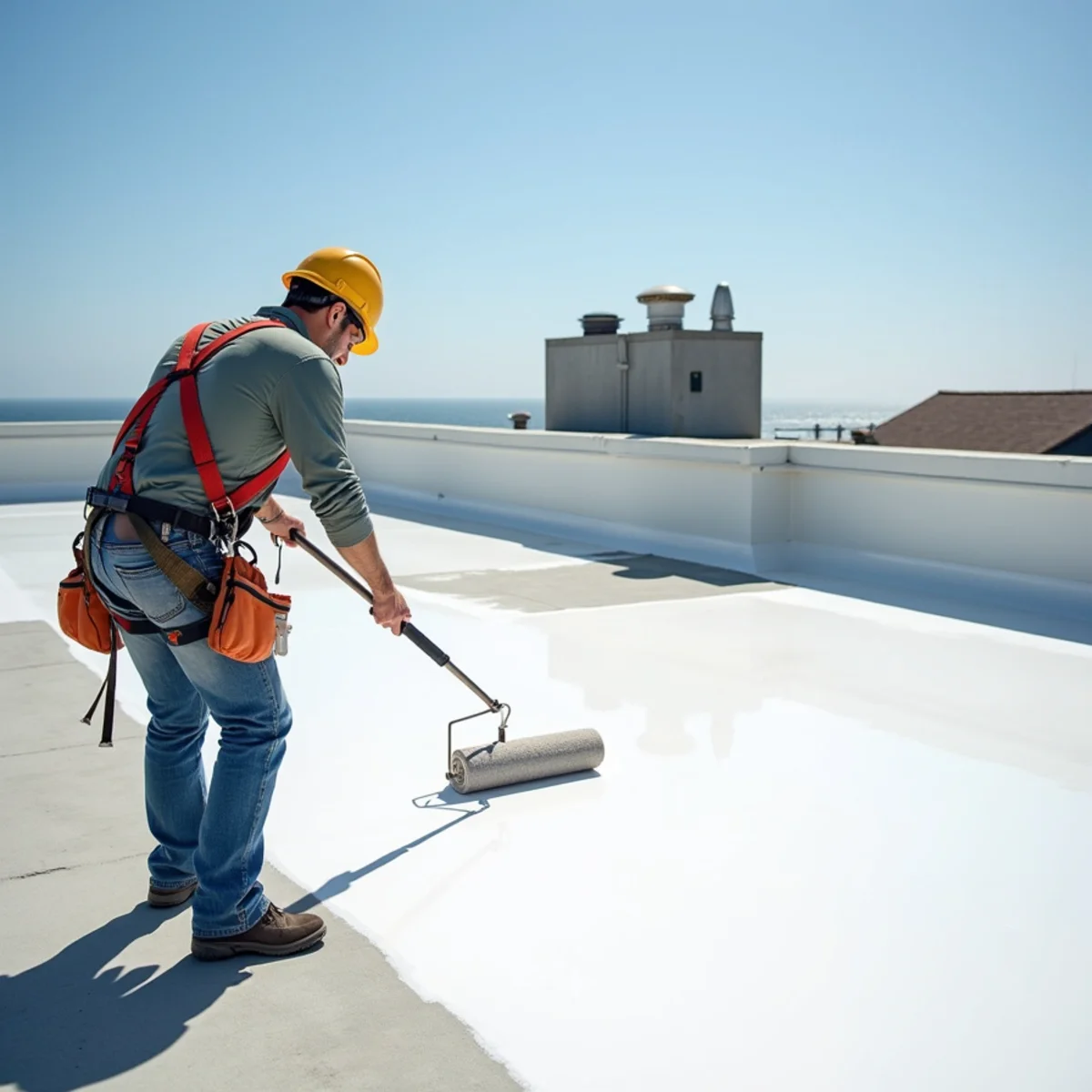
- Flat and low-slope membranes: a bright single-ply membrane, or a reflective coating over a sound membrane, reflects heat off the large, sun-exposed surfaces where it matters most.
- Reflective coatings: on some existing roofs still in sound condition, a reflective coating can raise reflectance without a full tear-off.
Cool roofs and California's Title 24
The reason this rating comes up so often is Title 24, Part 6 — California's Building Energy Efficiency Standards. The code treats a roof's reflectance as one of the levers that keep a building's energy use in check, and it uses SRI, along with aged solar reflectance and thermal emittance, as the yardstick. Roofing products earn those ratings through independent testing; the Cool Roof Rating Council is the body California recognizes for certifying them, so a product's rated values come from a common, verifiable source rather than from a seller's own say-so.
Whether the requirement actually lands on your project is a separate question, and the answer turns on specifics: the slope of the roof, how much of it you are replacing, the attic insulation already in place, the type of work, and the climate zone your home sits in. The standards are also revised on a cycle, so the edition in force and the exact thresholds move over time. We do not guess at that — we confirm the current edition, its effective date, and how it applies with the authority having jurisdiction, and we would urge any owner to do the same before committing to a plan.
Prescriptive path versus performance path
There is usually more than one road to compliance, which is worth knowing if a cool surface does not fit your plans. The prescriptive path is the checklist version: meet the specified minimum reflectance and emittance, or the minimum SRI, for your slope and zone, and the roof portion is satisfied outright. The performance path looks at the whole house as an energy budget, which can let a roof that falls short on reflectance be offset by other measures — added attic insulation, a radiant barrier, or ventilation improvements, for example. Which path serves you better depends on the house and the scope of work, and the trade-offs are exactly the kind of thing we will walk you through rather than decide for you.
When a re-roof triggers the requirement
A small repair patch is one thing; a re-roof is another. The code generally reaches a roofing project once you cross a certain share or area of the roof surface — replace or recoat beyond that threshold and the cool-roof provisions can come into play, where an isolated repair would not. New construction is squarely covered. Low-slope roofs tend to fall under the requirement more broadly than steep-slope residential ones, and the exact triggering area and percentage have shifted between editions. Because those are precisely the numbers that change, we confirm the current thresholds with the authority for your specific job instead of relying on last cycle's figures.
What this means on the Oceanside coast
Geography shapes how much any of this helps. The immediate coast sits in one of California's milder climate zones, tempered year-round by the ocean and the marine layer, so the summer heat a reflective roof fights is gentler here than it is a few miles inland. Steep-slope residential cool-roof requirements have generally been aimed at the hotter inland zones, while the coastal zones have historically been treated more leniently for that roof type — though low-slope requirements reach more broadly, and the code can change.
Move inland from the water, though, and the afternoons warm up, the marine layer burns off sooner, and a cool roof starts to earn its keep in both comfort and cooling load. The honest summary: a reflective roof does the most good on the hotter inland side of Oceanside and less at the water's edge — and whether the code requires one either way is a question we confirm rather than assume.
Reflectance is one part of a cooler house
A reflective surface does its best work as one piece of a system, not a lone fix. Sunlight you bounce away never becomes heat — but whatever heat does get through still has to be managed below the surface, and that is where ventilation and insulation carry the load.
- Attic ventilation lets built-up heat escape instead of pooling under the roof deck.
- Adequate insulation slows the heat that remains from reaching the rooms below.
- A radiant barrier in the attic can reflect heat back off the underside of the roof and often pairs well with a reflective surface.
- A cool roof, ventilation, and insulation working together do far more than any one of them alone — which is also why the performance path lets them trade off against each other.
The honest trade-offs
Cool roofing is a sound move on the right house, but it is not magic, and a few limits are worth naming plainly. In a cold, heating-dominated climate a reflective roof can slightly raise winter heating by rejecting sun you might have wanted — a real effect in some places, though a minor one in Oceanside's mild winters. A very bright surface can throw glare, which is one more reason cool colors and reflective-but-not-white options are popular on homes. The benefit also depends on the rest of the house; a reflective roof over a poorly insulated, poorly vented attic gives back less than it could. And as noted, reflectance fades as the surface weathers, faster in coastal grime than inland. None of these should scare you off — they are simply the shape of the trade-off, worth weighing with clear eyes.
Keeping the reflectance on a coastal roof
Because the value of a cool roof lives in its surface, a little upkeep protects the return. On the coast the surface picks up a salt film, marine-layer damp encourages algae and dark streaking, and windblown dust settles into any texture — all of which chip away at reflectance over time. A periodic, gentle cleaning appropriate to the material keeps the surface doing its job, and the ordinary maintenance the underlying roof needs still applies: a cool roof is still a shingle, tile, metal, or membrane roof underneath, with the same seams, flashing, and fasteners to look after. Keeping it clean is less about appearance than about holding onto the performance you chose it for.
Cost, value, and how to decide
As a category, a cool-rated roof usually carries a modest premium over a standard version of the same material rather than a wholesale jump — you are paying for reflective granules, cool-color pigments, a reflective coating, or a lighter membrane, not a different kind of roof. Whether that premium pays back through lower cooling costs depends on your climate zone, your insulation and ventilation, and how you use the house, so it is fairer to treat it as a comfort-and-efficiency investment with a variable payback than as a guaranteed savings figure.
A handful of questions cut to what matters for your home: Does this project actually have to meet a Title 24 cool-roof requirement, and to which current edition? What are the aged reflectance, emittance, and SRI of the material being proposed, and do they clear the mark? Would the prescriptive or the performance path serve you better? How does the cool roof work with the attic ventilation and insulation you already have? And which cool-rated material fits your home's style, since the rating is available across shingle, tile, metal, and membrane? We will help you confirm what applies to your specific roof, keep the surface's reflectance in view alongside the material's other strengths, and give you a straight read on whether a cool roof earns its place on your home — no surprises.
Advantages
- Reflects sunlight and reduces heat gain
- Can help lower cooling costs
- Supports Title 24 compliance
- Available in shingle, tile, metal and membrane
Limitations to weigh
- Color/finish choices may be guided by reflectance needs
- Benefit depends on climate zone and roof design
- Not a substitute for good ventilation and insulation
Coastal considerations
- Inland Oceanside neighborhoods see more heat than the immediate coast — cool roofing is especially relevant there.
- Cool roofing works best alongside good attic ventilation and insulation.
Maintenance
- Keep the surface reasonably clean to preserve reflectance
- Standard maintenance for the underlying material applies
Common repairs
- Repairs follow the underlying material (shingle, tile, metal or membrane)
Energy considerations
Cool-roof materials carry an SRI value; California's Title 24 requires cool-roof performance for many new residential roofs, with exceptions for certain slopes or sufficient insulation. Confirm project-specific requirements with the authority.
Questions to ask before choosing this material
- Does my project need to meet Title 24 cool-roof requirements?
- What is the SRI of the material you're recommending?
- How does this interact with my attic ventilation and insulation?
- Which cool-roof material suits my home's style?
Frequently asked questions
A cool roof reflects more sunlight and absorbs less heat than a standard roof, which can ease cooling costs and improve comfort on warm days. Whether you need one depends partly on choice and partly on code: California's Title 24 requires cool-roof performance for many new and replacement roofs, and the benefit is larger on the hotter inland side of Oceanside than right at the coast. We can help you confirm whether your project qualifies.
No. It is a performance rating — the Solar Reflectance Index, or SRI — not a material. Cool-rated versions exist across asphalt shingles, concrete and clay tile, metal panels, and flat-roof membranes and coatings, so you can usually get a cool-roof version of the material you already prefer.
It depends on the slope, how much of the roof you are replacing, your attic insulation, the type of work, and your climate zone, and the standards are updated on a cycle. Low-slope roofs tend to fall under the requirement more broadly than steep-slope residential ones. Rather than assume, we confirm the current edition and how it applies with the authority having jurisdiction for your specific job.
Yes. Much of the sun's heat arrives as invisible near-infrared light, and cool-color or infrared-reflective pigments reflect a large share of it while the roof still reads as a deep terracotta, brown, or charcoal from the street. You rarely have to choose between the look you want and the reflectance you need.
On the prescriptive path the code sets minimum aged solar reflectance and thermal emittance, or a minimum SRI, and the exact figures depend on your slope, climate zone, and the edition in force. Because those numbers change between editions, we verify the current requirement with the authority rather than quoting a fixed value that may be out of date.
It can, by keeping the roof and attic cooler so the air conditioning has less to fight. How much you save depends on your climate zone, insulation, ventilation, and how you use the house, so it is best treated as a comfort-and-efficiency investment with a variable payback rather than a guaranteed dollar figure. The effect is generally larger inland than at the immediate coast.
Somewhat. Salt film, marine-layer damp, algae, and windblown dust gradually dull a reflective surface, which is why the ratings that count are the aged values measured after weathering. A periodic, gentle cleaning suited to the material helps the roof hold onto the reflectance you chose it for.
There may be another route. Title 24's performance path evaluates the whole house as an energy budget, which can let a roof that falls short on reflectance be offset by measures like added attic insulation, a radiant barrier, or ventilation improvements. Which path fits your project is something we will walk you through and confirm with the authority.
They are companions, not either-or choices. A cool surface reflects heat before it enters, a radiant barrier reflects heat that gets past the surface, insulation slows what remains, and solar panels generate power — they address different parts of the same problem, and often work best together.
Related services
Next step
Considering Cool Roofing?
Let's talk through whether it's the right fit for your Oceanside property.