Loading…
Roof Types
Concrete Tile Roofing in Oceanside, CA
Durable, versatile tile with strong coastal performance and cool-roof options.
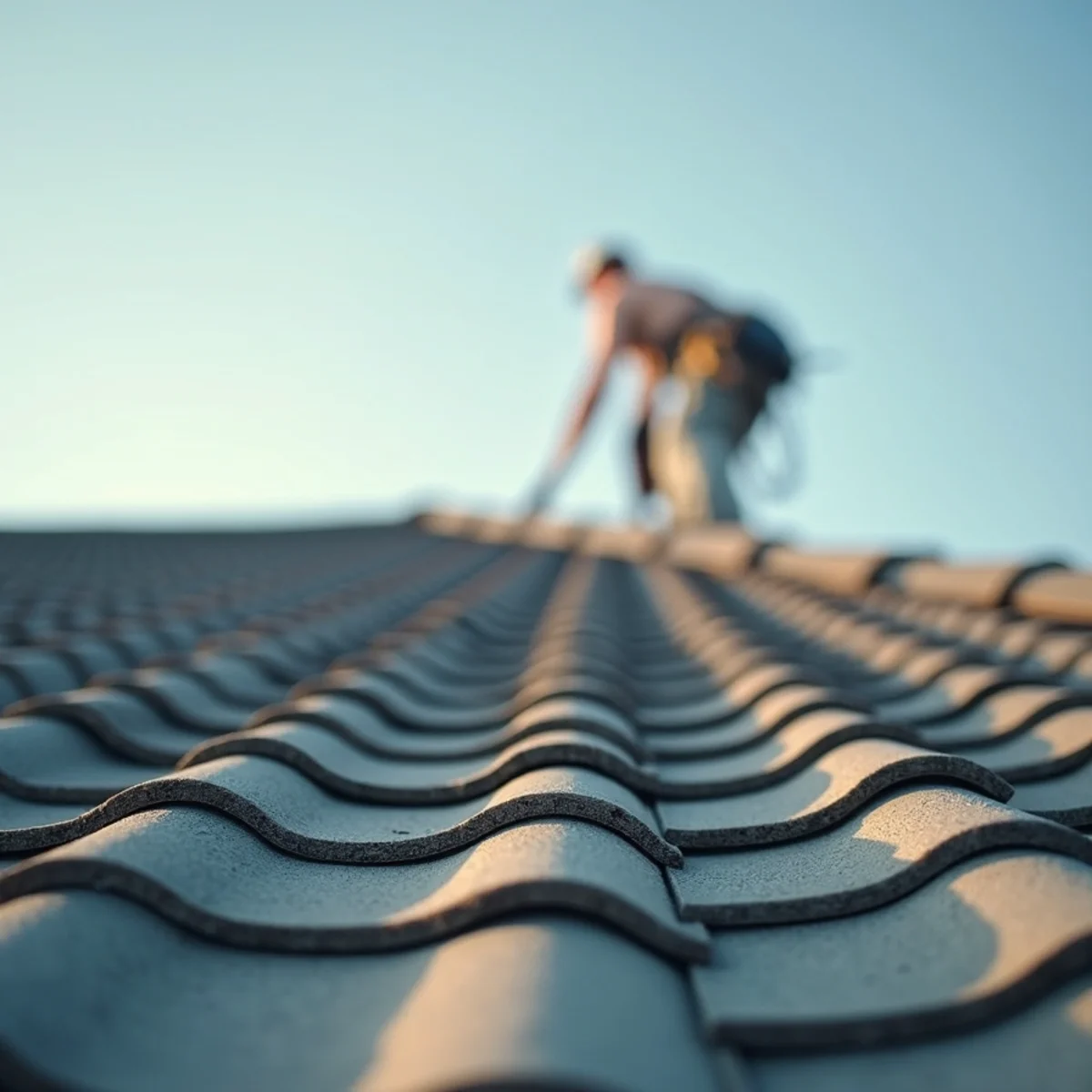
Concrete tile offers much of tile's durability and character, often at a lower cost than clay, and comes in profiles that mimic clay, wood shake or slate. It's a strong coastal performer, with cool-roof-rated options relevant to California's energy standards.
Concrete Tile Roofing on Oceanside Homes
Drive through Oceanside's newer eastside neighborhoods and most of the roofs you pass are concrete tile, and there is a good reason for that. Concrete tile gives a home the weight, texture and long life of a traditional tile roof, in a wider range of looks and usually at a friendlier price than genuine clay. It takes our salt air and strong coastal sun in stride, it comes in cool-roof versions that speak directly to California's energy rules, and it can serve for decades with sensible care. But a concrete tile roof is a system, not just a stack of tiles, and the smartest thing an Oceanside homeowner can do is understand what sits beneath those tiles before choosing one. On this page we will walk you through how concrete tile is made, how it looks and works, where it shines on the coast, where it asks for more thought, and how to decide whether it fits your home, with no surprises.
What concrete roof tile is and how it's made
Concrete roof tile is made from a fairly simple mix, sand, portland cement and water, with mineral pigment for color, pressed into molds under pressure and cured until it hardens into a dense, heavy tile. That manufacturing process is exactly what makes the material so flexible. The same tile can be shaped into a rolling barrel that mimics clay, a low ripple that reads like wood shake, or a flat slab that stands in for slate. It is a workhorse material, non-combustible and tough, and it has become the default on much of newer Southern California housing.
One trait worth knowing from the start is that concrete is a little more porous than fired clay. It takes on slightly more moisture, which shows up in two small ways on the coast: a rain-soaked tile weighs a bit more, and shaded, slow-drying slopes can invite moss or algae over the years. Neither is a dealbreaker. It is simply part of understanding the material you are buying, and both are manageable once you know to expect them.
The profiles: how the look is built
Concrete tile is sold in profiles, meaning the cross-sectional shape of the tile, and the profile you pick sets both the character of the roof and the way it sheds water. Most modern concrete tiles also interlock along their side edges, so each tile locks into its neighbor to channel water and resist wind, which is a real step up from older loose-laid tile. Around Oceanside you will mostly see three broad families:
- High-profile, the barrel or S tile, with the deep rolling curve of classic Spanish and Mediterranean roofs and strong shadow lines.
- Medium-profile, a gentler wave that suits a wide range of ranch and transitional homes.
- Low or flat profile, a clean, near-flat tile that can stand in for wood shake or slate on contemporary and craftsman-style homes.
The system beneath the tile, the part that keeps you dry
It is tempting to think of a tile roof as just the tiles, but the part that actually protects your home lives underneath them. A concrete tile roof is a layered assembly, decking, underlayment, battens and flashing, and the tile is the outermost, most visible layer, not the waterproof one. Understanding those hidden layers is the whole difference between an owner who is caught off guard by a leak and one who saw it coming.
Underlayment: the true waterproof layer
Directly on the wood decking goes the underlayment, a water-resistant membrane that is the true seal of the roof. The tile sheds the bulk of the rain and takes the sun and salt on your behalf, but whatever wind-driven rain slips past the tile lands on the underlayment, which carries it safely down to the gutters. This is why a tile roof can leak while every tile still looks perfect. It is almost always the underlayment, not the tile, that has given out.
Underlayment comes in a few grades, and on the coast the choice matters. Traditional asphalt-saturated felt is the economy option, modern synthetic underlayments are tougher and more tear-resistant, and self-adhered high-temperature membranes, sometimes called peel-and-stick, seal around the fasteners that pin the roof down and stand up best to heat and marine damp. Many quality tile roofs use a heavier single layer or a double layer for extra margin. Here is the key fact: because concrete tile outlasts any underlayment beneath it, the membrane reaches the end of its life first, often while the tile still has plenty of years left. Investing in a better underlayment at installation is one of the smartest coastal decisions you can make, because it postpones the day the whole roof has to be opened up.
Battens, the air gap and drainage
Above the underlayment, many tile roofs are built on battens, thin horizontal strips of wood or composite that the tiles hook onto and are fastened to. Battens do more than hold tiles in place. They lift the tile slightly off the underlayment, creating an air gap that lets the underside breathe and dry, and that same gap helps moderate attic heat by giving the sun-baked tile somewhere to shed warmth before it reaches the deck. In damp coastal conditions, some installers add a drainage or counter-batten layer so any water that gets under the tile has a clear path to the eaves rather than pooling behind a batten. Getting this drainage detail right, along with sound flashing, the metal that seals where the roof meets walls, chimneys and valleys, is a large part of why one tile roof lasts and another leaks.
How concrete tile holds up on the Oceanside coast
Concrete tile is a strong coastal performer, but the coast is really several forces working at once, salt, sun, marine moisture, wind and fire, and it is worth knowing how the material answers each one before you commit.
Salt, sun and marine-layer moisture
Salt air, which corrodes metal and dries out asphalt, has little effect on the concrete tile itself. The body of the tile simply does not mind it. Strong ultraviolet sun mostly works on the tile's surface color rather than its strength. The force to respect here is the marine layer, the low morning cloud and damp that keep Oceanside roofs wet for hours after inland roofs have dried. Because concrete is a touch porous, slow-drying, shaded and north-facing slopes can grow moss, algae or lichen over the years.
That is a maintenance item, not structural harm, and it is best handled gently, with a soft wash and the right treatment rather than an aggressive pressure-wash that can strip the tile's surface. The metal parts of the system, the flashing, valleys and fasteners, still deserve corrosion-resistant choices near the water, because salt finds them long before it bothers the tile.
Wind, fire and impact
Three more coastal strengths are worth naming. On wind, interlocking concrete tiles that are properly fastened, nailed or clipped, with adhesive at the vulnerable ridges and edges, resist the uplift that Santa Ana and onshore gusts put on a roof. On fire, concrete tile is non-combustible and can form part of a fire-resistant, Class A, roof assembly, which matters in a region mindful of wildfire; where a home sits near open space, closing off the open ends of barrel tiles at the eaves with small pieces called bird stops also helps keep embers and nesting animals out. On impact, because it is dense and heavy, concrete tile tends to shrug off falling branches and debris better than more brittle materials, a quiet advantage over clay in that one respect.
Weight and structure
Concrete tile is heavy, generally somewhat heavier than clay, and heavier still once it has taken on moisture, so a roof has to be built or verified to carry it. On a home that already wears concrete tile, that question is settled, because the framing has already proven it can do the job. The time to look closely is when a home is switching to tile from a lighter material such as asphalt shingle. Then the structure needs to be evaluated first, and any added support planned in, before the tile is ordered. In California, changing a roof's weight classification is generally the kind of work that involves a permit, which is worth confirming with the City of Oceanside's building department before you plan around it. None of this makes tile impractical. It simply means the structure is part of the decision, not an afterthought.
Color, efflorescence and how the surface weathers
On many concrete tiles the color is a pigmented coating or a colored slurry applied to the surface rather than blended all the way through the tile, and over years of sun and weather that surface can soften, lighten or weather unevenly. This is cosmetic. The tile keeps doing its structural job. But if a crisp, uniform color is important to you, it is worth asking whether a given tile is surface-colored or has color carried more deeply through the body.
New concrete tile can also show a light whitish haze called efflorescence, a natural bloom of lime left behind as the concrete finishes curing. It is harmless and usually weathers away on its own. Knowing these traits up front means the roof ages the way you expect rather than surprising you a few summers in.
Cool-roof options, energy and Title 24
Concrete tile has a genuine energy story on the coast, and it comes from two places. The first is how the roof is built: the batten air gap and the tile's own thermal mass slow the flow of heat into the attic, so a tile roof often runs cooler underneath than a thin material baking in full sun. The second is the tile's surface. Cool-roof-rated concrete tiles are widely available, engineered to reflect more sunlight and shed heat, measured by a value called the Solar Reflectance Index, or SRI. In the warmer inland Oceanside neighborhoods, where the marine breeze fades and afternoons run hot, that reflectivity can ease cooling costs.
Cool-roof performance may also be relevant to California's Title 24 energy standards, which call for it on many new residential roofs. Whether your specific project has to meet a cool-roof requirement depends on the details, including slope and insulation, so it is worth confirming the current edition and how it applies with the local authority before you decide.
Maintenance and the repairs concrete tile tends to need
A concrete tile roof does not ask for much attention, but the attention it does ask for pays off. Cracked or slipped tiles should be replaced promptly, because every gap in the shell puts more water than intended onto the underlayment beneath. The valleys and flashing, the metal channels where roof planes meet or where the roof runs into a wall, need to stay clear and sound, since corroded or clogged flashing will leak under perfect tile. The ridge and hip lines, where capping tiles are bedded down, weather over the years and occasionally need re-bedding. And on damp, shaded slopes, keeping moss and debris from building up protects both the tile and the drainage path.
The larger event in a tile roof's life is underlayment renewal. Because the tile outlasts the membrane beneath it, there comes a point, often while the tiles are still perfectly sound, when the underlayment has aged out and needs replacing. The good news is that concrete tile is generally reusable. A careful crew can lift the existing tile, lay fresh underlayment, and relay the same tile, so you are renewing the hidden layer rather than buying a whole new roof. Budgeting for that day, instead of being surprised by it, is the heart of owning tile well.
Concrete tile versus the alternatives
No single roof is right for every home, so it helps to see where concrete tile sits among the choices. Against clay, concrete usually costs less and comes in more profiles, including convincing shake and slate looks, while clay offers the most authentic barrel appearance and holds its through-body color longer; both are heavy and both live or die by the underlayment beneath. Against asphalt shingle, concrete tile is a larger upfront investment and needs more structure, but it lasts considerably longer and brings a presence shingle cannot match. Against standing-seam metal, tile offers thermal mass and a traditional look where metal offers light weight and a modern line, and both are strong coastal performers when detailed well. And against real wood shake, a shake-profile concrete tile gives a similar texture without the fire risk and upkeep of wood. The right answer depends on your home's style and structure, how long you plan to stay, and how you weigh cost against longevity.
Is concrete tile right for your Oceanside home?
Concrete tile fits homeowners who want the durability and presence of a tile roof with some flexibility in look and a friendlier price than clay. It is a natural match for Mediterranean and ranch styles, for the shake or slate appearance without the wood, and for the many newer Oceanside communities where tile is the neighborhood standard. It rewards owners who plan to stay a while and who understand they are buying a long-lived shell over a membrane that will one day need renewal. Where it asks for more thought is on homes not yet built to carry tile's weight, and on very low-slope sections that are better served by a membrane. If you are weighing concrete tile, a few questions will tell you most of what you need to know, and we will walk you through them for your specific home:
- Is the tile's color applied to the surface or carried more deeply through the body, and how is it expected to weather over time?
- What underlayment will go beneath the tile, and how long should it protect the roof before it needs renewal?
- Is my roof structure suited to concrete tile's weight, and will the work require a permit?
- Would a cool-roof-rated tile benefit my home, and does my project fall under a current Title 24 requirement I should confirm with the authority?
- Are the flashing, valleys and fasteners corrosion-resistant for coastal exposure?
- When the underlayment eventually ages, can my existing tile be lifted and relaid rather than replaced?
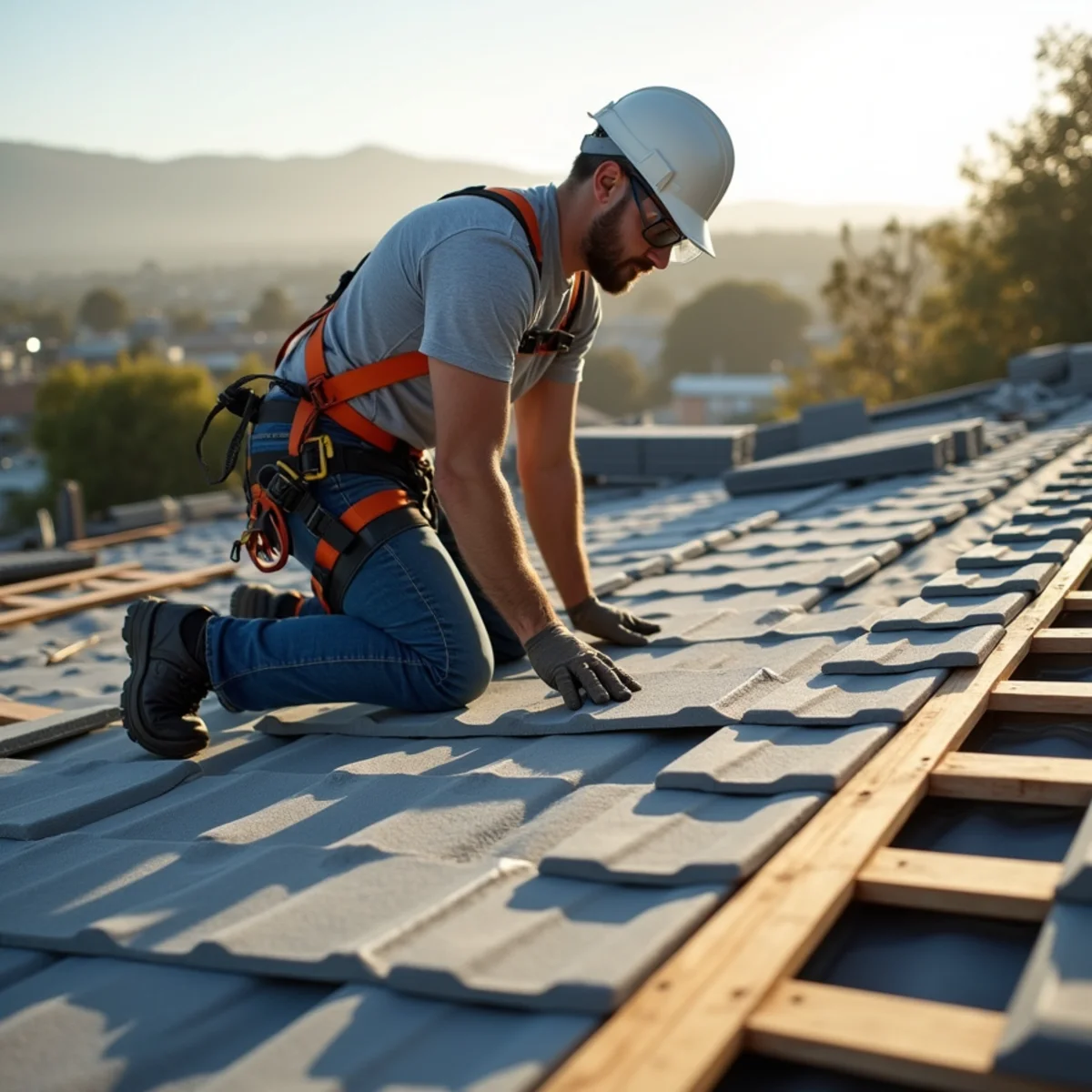
Advantages
- Long service life
- Good salt and UV resistance
- Cool-roof-rated options for Title 24
- Often lower cost than clay tile
Limitations to weigh
- Weight requires adequate structure
- Underlayment needs periodic renewal
- Color can weather over time
- Careful repair required
Coastal considerations
- Like clay, concrete tile resists coastal salt and sun well, while the underlayment beneath is the component to watch.
- Prompt replacement of cracked tiles protects the layers below.
Maintenance
- Replace cracked tiles promptly
- Keep flashing and valleys clear
- Plan for eventual underlayment renewal
Common repairs
- Individual tile replacement
- Underlayment repair
- Flashing and valley repair
- Re-bedding of ridge and hip tiles
Energy considerations
Cool-roof-rated concrete tile reflects more sunlight and supports Title 24 compliance for many new residential roofs.
Questions to ask before choosing this material
- Is a cool-roof-rated tile appropriate for my project?
- What underlayment will be used and what is its life expectancy?
- Is my structure suited to the tile weight?
- How will color and profile match my home?
Frequently asked questions
The tile itself is built to serve for many decades and holds up well against salt and sun. The catch is the underlayment beneath it, the membrane that does the actual waterproofing, which ages faster and typically needs renewal well before the tile does. So the honest answer is that the tile can last a very long time, while the hidden layer under it is what sets the real maintenance clock. We give realistic expectations for your specific roof and exposure.
Usually, yes. Concrete tile generally costs less than genuine clay and comes in more profiles, including shake and slate looks. Clay offers the most authentic barrel appearance and tends to keep its color longer because the color runs through the fired clay. Both are heavy, both are strong coastal performers, and both depend on the underlayment beneath them, so the choice often comes down to look, budget and how your home is framed.
Because the tile is not what waterproofs your home. The tile sheds most of the water and takes the sun and salt, but the true seal is the underlayment, a membrane laid over the decking underneath. When that membrane ages and cracks, water gets past it even though every tile above still looks flawless. This is the single most important thing to understand about owning any tile roof.
Not without checking the structure first. Concrete tile is much heavier than shingle, so the framing has to be evaluated to confirm it can carry the added weight, and support is sometimes added. Changing a roof's weight classification in California generally involves a permit as well. It is very doable on many homes, but it starts with a structural evaluation, not with ordering tile.
It can. On many concrete tiles the color is applied to the surface rather than blended through the body, so years of sun and weather can lighten or weather that finish. It is a cosmetic change, not a structural one, and the tile keeps doing its job. If uniform color matters to you, ask whether the tile you are considering is surface-colored or carries color more deeply through the body. New tile may also show a temporary whitish haze called efflorescence that weathers away on its own.
On shaded, north-facing slopes that stay damp in the marine layer, concrete tile can develop moss, algae or lichen over the years, partly because concrete is slightly porous. It is a maintenance issue rather than damage. The safe way to handle it is a gentle wash with the right treatment, never an aggressive pressure-wash, which can strip the tile's surface and shorten its life.
Yes, usually, provided the underlayment beneath is still sound. Cracked or slipped tiles should be swapped out promptly so the layer below is not overexposed to water. Two things matter here: matching the profile and color of an older tile, which we will discuss with you, and careful footing during the work, because concrete tile can crack if it is walked on the wrong way.
The tile handles salt and sun well and is non-combustible, so as a material it is well suited to the coast. The details to get right are the parts around it: a quality underlayment beneath the tile, and corrosion-resistant flashing, valleys and fasteners, because salt goes after the metal components first. Get those right and concrete tile is a dependable coastal roof.
Cool-roof-rated concrete tiles are widely available. These reflect more sunlight and shed heat, measured by a value called the Solar Reflectance Index, or SRI, and the tile's thermal mass and the air gap under it help as well. California's Title 24 energy standards require cool-roof performance on many new residential roofs, but whether your specific project qualifies depends on slope, insulation and other details, so confirm the current edition and how it applies with the local authority.
Related services
Next step
Considering Concrete Tile Roofing?
Let's talk through whether it's the right fit for your Oceanside property.