Loading…
Roofing Services in Oceanside, CA
Roofing Services in Oceanside, CA
Wednora Roofers helps homeowners and property managers across Oceanside understand, repair and improve their roofs. From historic South O bungalows to newer planned communities inland, we give straightforward, coastal-aware recommendations for roof repair, replacement, inspection and maintenance.
- Serving Oceanside & North County
- Residential & commercial
- Coastal roof knowledge
Your Oceanside roofing partner
Clear, Coastal-Ready Roofing Guidance
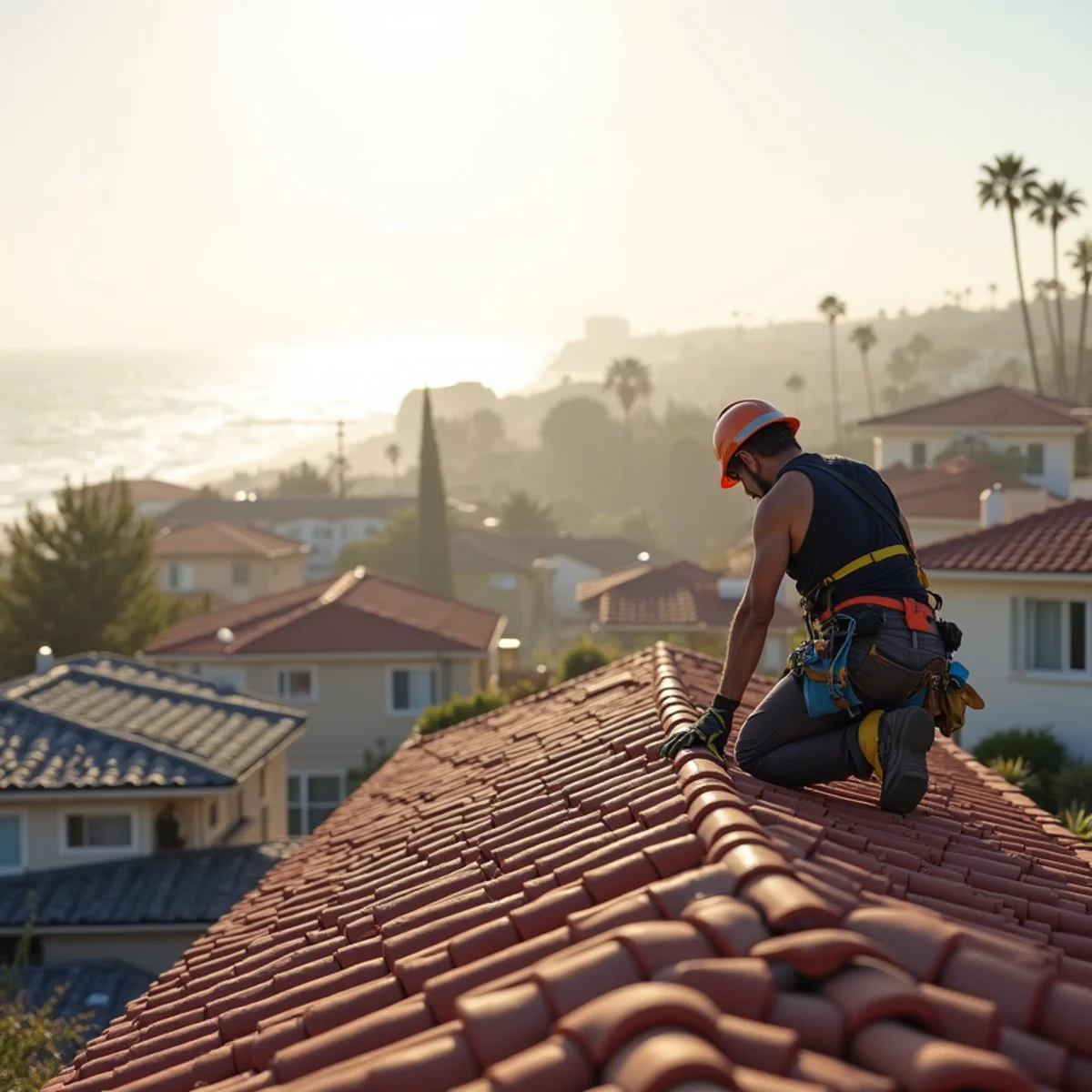
If you own a home or run a business in Oceanside, your roof does its hardest work out of sight. Salt-bearing air drifts in off the Pacific and settles on every nail, seam and piece of flashing. The marine layer keeps surfaces damp for hours after inland roofs have dried. Strong sun works on the same materials from above. None of it announces itself — until a stain appears on a ceiling, a few tiles slip after a windy night, or a routine inspection turns up decking that has been quietly soft for years.
That is the real reason coastal roofing is different from the advice you will find written for the rest of the country. A roof built and maintained for an inland climate can fall short here, not because the materials are bad, but because the wrong components were chosen for salt, moisture and UV. The good news: with sensible material choices, corrosion-resistant hardware and a bit of proactive attention, an Oceanside roof can hold up well for a long time.
Wednora Roofers exists to help you make those decisions with confidence. We are not here to talk you into the biggest job — we are here to look carefully, explain what we find in plain language, and help you take the next sensible step. Sometimes that is a small repair. Sometimes it is a maintenance plan. Sometimes it is planning ahead for a replacement you do not need yet. Whatever it is, you will leave the conversation with a plan, not a pressure pitch.
On this page you will find a straightforward guide to our services, how coastal conditions affect different roofing materials, what the permit process looks like in Oceanside, and answers to the questions we hear most often. Whether you need help today or you are simply planning ahead, our aim is the same: no confusing sales pressure, just clear, coastal-ready guidance.
Why Oceanside is different
Oceanside Roofs Face Salt, Sun and Marine Moisture
Most roofing advice is written for inland climates. Near the coast, salt-bearing air, the marine layer and strong UV combine in ways that shorten roof life when the wrong materials and fasteners are used.
- Salt-air corrosion — speeds up rust on fasteners and flashing; corrosion-resistant components matter near the ocean.
- Marine-layer moisture — keeps roofs damp longer, which can promote rot in decking and underlayment.
- UV exposure — breaks down shingle binders, fades tile coatings and degrades sealants faster.
- Santa Ana winds — can lift shingles and crack tiles, sometimes without an immediate leak.
Maximum salt exposure
Within a few blocks of the ocean, salt is relentless. Corrosion-resistant fasteners and flashing become essential, and high-wind-rated or metal systems are common choices. Sealants and components should be selected specifically for direct salt spray.
- Highest salt-air corrosion
- Wind-driven rain
- Constant moisture
The coastal toll
How Salt, Sun and Moisture Actually Affect Your Roof
Salt air corrosion works from the inside out
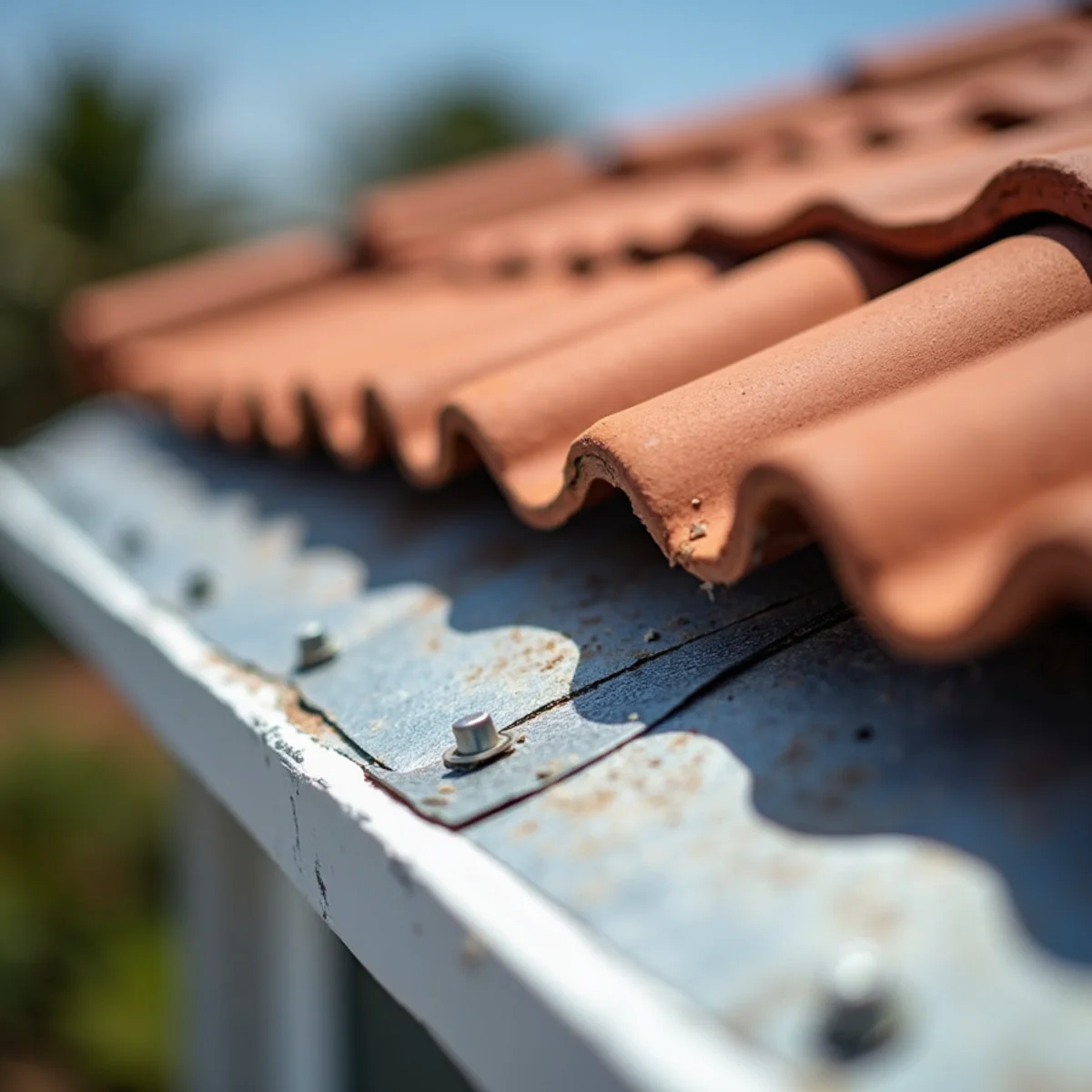
Most people picture roof failure as something dramatic — a storm tearing shingles loose. Near the coast, the more common story is quieter. Salt particles carried on the ocean breeze settle onto fasteners, flashing and metal components and accelerate corrosion. Standard galvanized nails and flashing that might last decades inland can begin to fail years earlier within a mile or two of the water. When a fastener corrodes, it loosens its grip; when flashing corrodes, it stops sealing. Either way, water finds a path in. This is why, close to the coast, we favor corrosion-resistant fasteners and flashing — the small hardware that most homeowners never think about is often what determines how long the whole roof lasts.
The marine layer keeps roofs wet longer
The morning cloud layer that gives Oceanside its mild mornings also keeps roof surfaces damp well after inland areas have dried out. That extra moisture matters most on north-facing and shaded roof planes, where it lingers longest. Over time it can feed mold and mildew and, more seriously, keep decking and underlayment damp enough to rot slowly. Underlayment — the water-resistant layer beneath your shingles or tiles — is the component that quietly does the real waterproofing, and persistent moisture is one of the things that ages it. Good drainage, quality underlayment and periodic treatment of biological growth all help.
Sun and wind add their own stresses
Oceanside enjoys a high number of sunny days each year, and all that ultraviolet light gradually breaks down asphalt-shingle binders, fades tile coatings and dries out sealants. UV-resistant underlayments and cool-roof-rated materials slow that process and can also help with cooling costs in the warmer inland neighborhoods. Then there is wind. Hot, dry Santa Ana conditions can lift shingles, crack tiles and drive debris across a roof. Wind damage does not always leak right away — a roof can be compromised while still looking fine from the ground — which is why a look after a strong wind event is worthwhile even when nothing seems wrong.
Why we tailor recommendations to your exact location
Two Oceanside homes a few miles apart can face very different conditions. A property near the harbor sees the most salt and moisture; a home in Fire Mountain or Rancho Del Oro sees less salt but more heat. Our recommendations account for where your property sits along that coast-to-inland gradient — the closer to the water, the more we prioritize corrosion resistance and wind rating; the further inland, the more we focus on heat management, ventilation and cool-roof options. It is the same reason a good local advisor beats a generic checklist: the right answer depends on your roof, your home's style and your exposure.
A practical tip
Late summer — roughly August through September, after the marine layer's dampest months and before the fall rains — is a sensible time for an annual inspection. It gives you time to address anything before the wet season.
Complete roofing services
Everything Your Oceanside Roof Might Need
Whether you need a minor repair, a full replacement, or a professional inspection, here's an overview of what we handle.
Residential Roofing
Replacement, repair, new installation, maintenance, tile re-bedding and skylight work — for homes across every Oceanside neighborhood, from historic to newly built.
Commercial Roofing
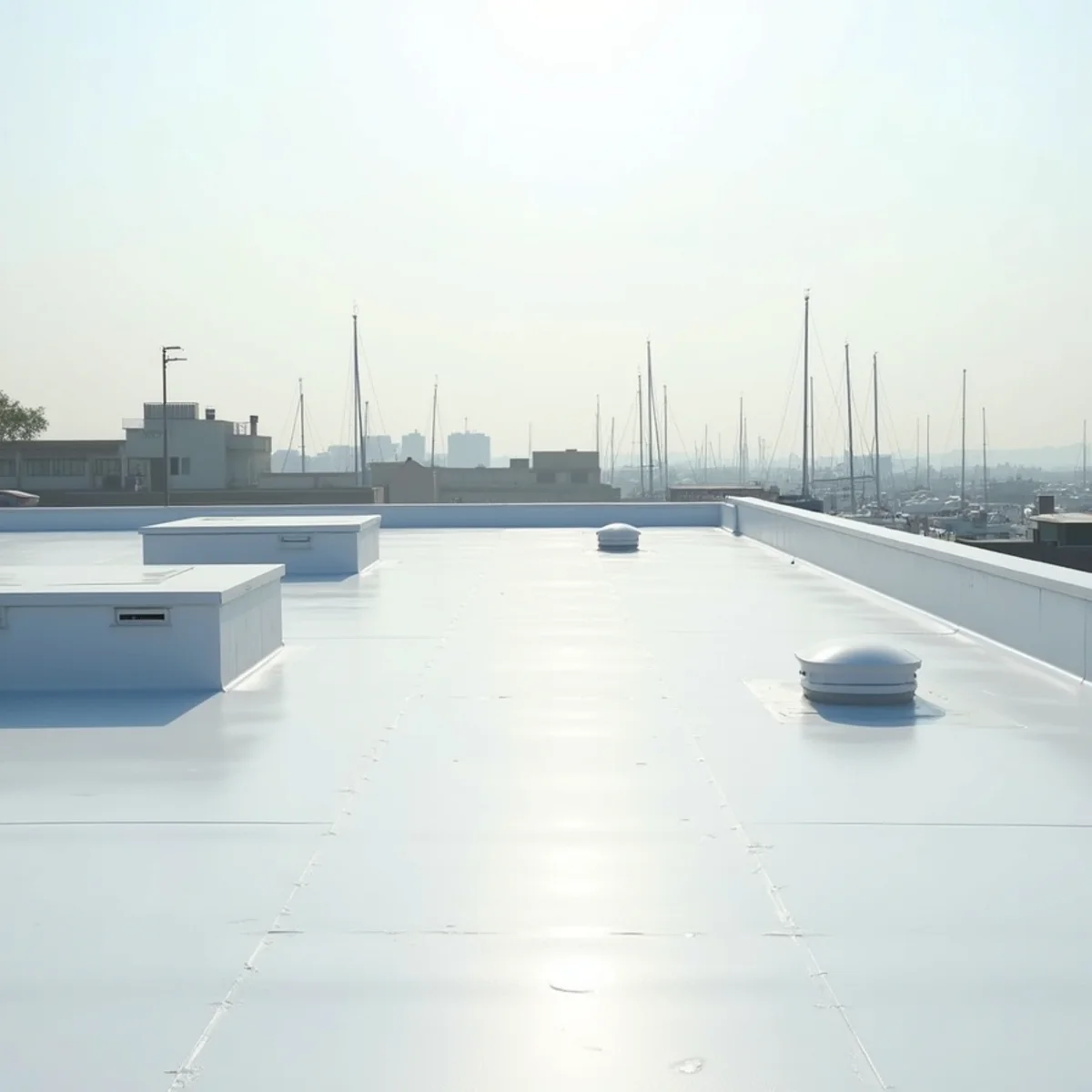
Flat and low-slope systems (TPO, modified bitumen, metal), coatings, preventive maintenance and leak repair for restaurants, retail, offices and multi-family properties.
Emergency & Storm
Temporary tarping, leak mitigation, wind-damage assessment and documentation for insurance. Call to check current urgent-service availability.
Inspections & Maintenance
Documented roof evaluations (drone-assisted where suitable), maintenance plans, gutter cleaning and moss and mildew treatment to extend roof life.
Roof Repair
Targeted fixes for leaks, damaged shingles, broken tiles and failing flashing.
Learn moreRoof Replacement
Full-roof replacement with tear-off, deck inspection and coastal-ready installation.
Learn moreEmergency Roof Repair
Temporary protection and leak mitigation after storms, wind and sudden leaks.
Learn moreRoof Inspection
A documented look at your roof's condition, drainage, flashing and ventilation.
Learn moreRoof Maintenance
Proactive upkeep that catches small issues before they become expensive leaks.
Learn moreResidential Roofing
Repair, replacement, installation and maintenance for Oceanside homes.
Learn moreCommercial Roofing
Flat and low-slope systems, coatings and maintenance for Oceanside businesses.
Learn moreFor homes
Residential Roofing in Oceanside
Your home is likely your largest investment, and the roof is its first line of defense against everything the coast sends its way. We handle the full range of residential roofing in Oceanside — repair, replacement, new installation and maintenance — and we treat each project with the care we would give our own homes. Oceanside's housing is wonderfully varied, and the right approach changes with it.
Roofing across Oceanside's home styles
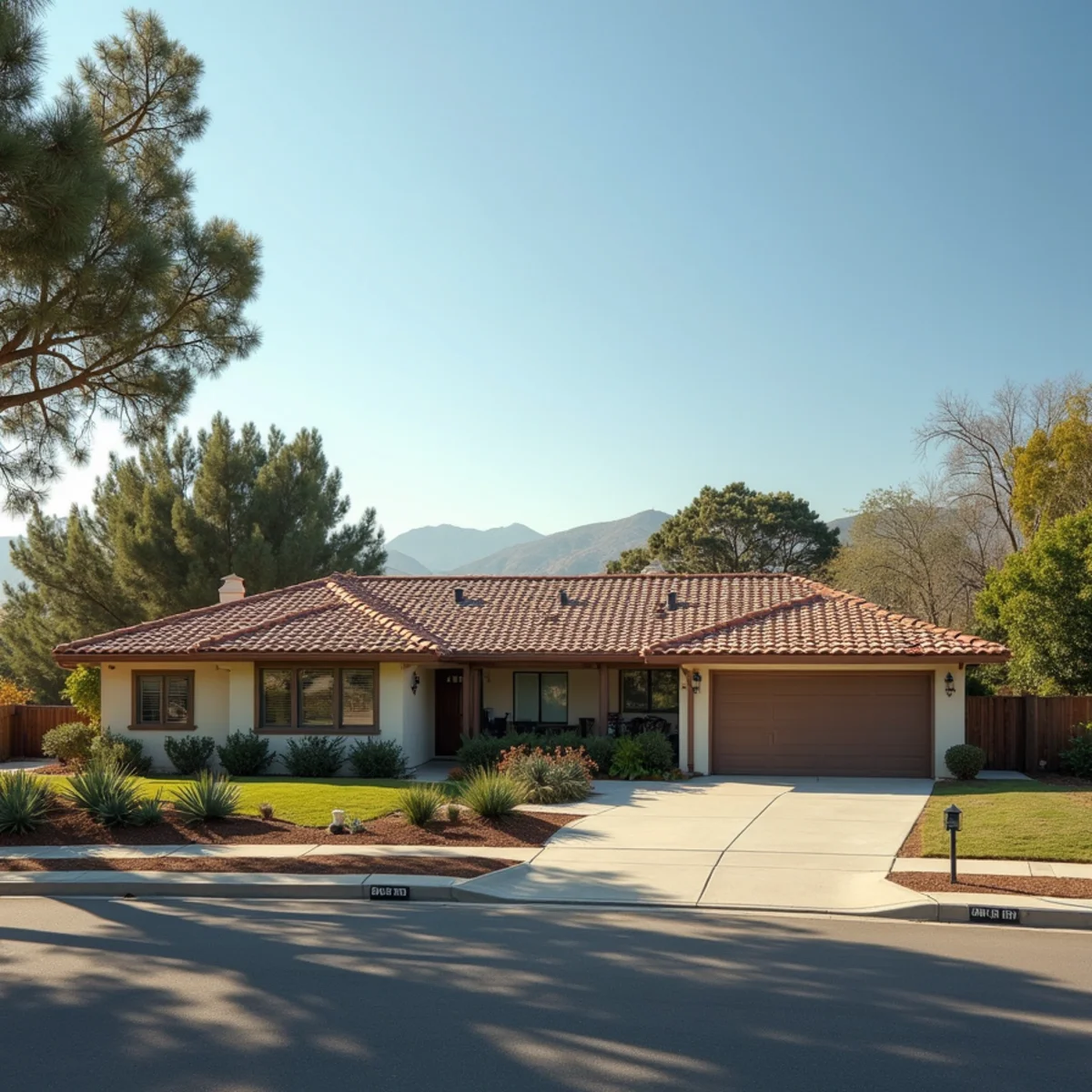
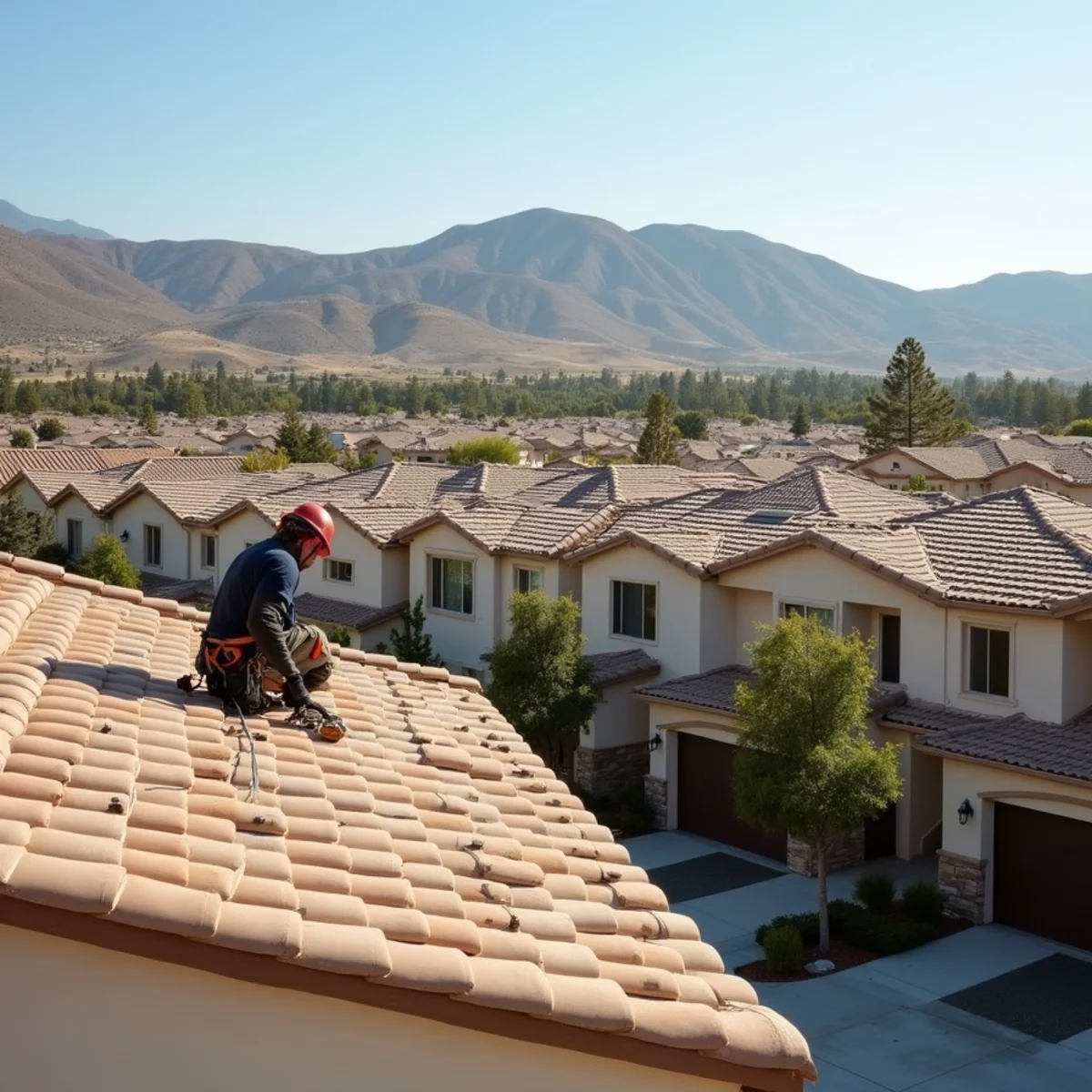
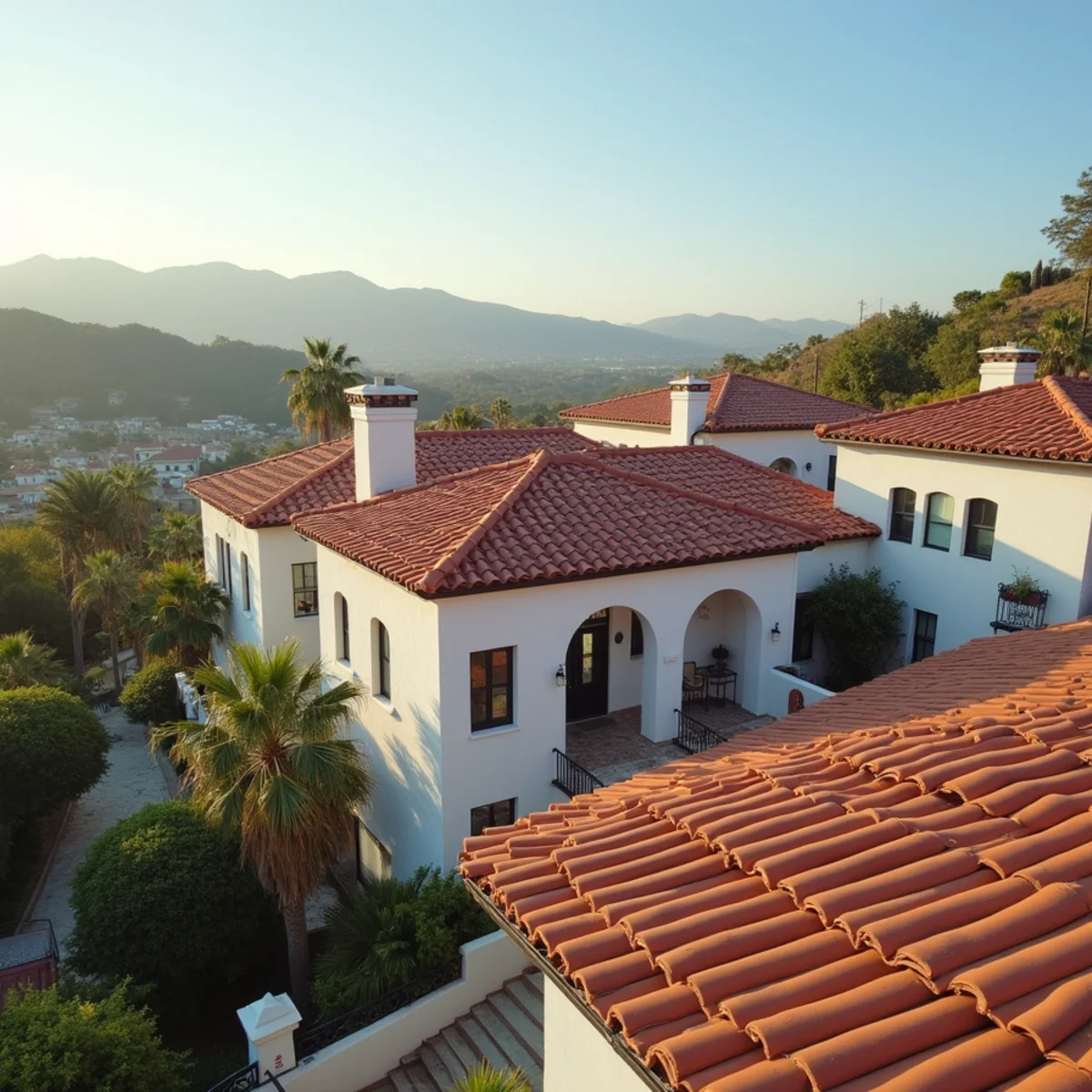
Our service information accounts for the kinds of homes found across Oceanside. Historic and established homes in South Oceanside often feature clay or concrete tile on Spanish and Mediterranean-style architecture, where preserving the look while renewing the underlayment beneath is usually the goal. Ranch-style homes in areas like Fire Mountain more often carry asphalt shingle roofs that benefit from high-wind-rated products and good attic ventilation. Newer planned communities such as Rancho Del Oro, Ocean Hills and Arrowood tend toward concrete tile with community design standards to work within. Understanding these patterns lets us recommend materials and methods that fit both the architecture and the exposure.
A note on older homes
For homes built decades ago, especially closer to the coast, it is worth budgeting for the possibility of hidden decking deterioration. Years of marine moisture can soften plywood in ways that are only discovered once the old roof comes off. We raise this possibility upfront rather than as a surprise: if we find damaged decking during a tear-off, we stop, show you exactly what we found, and provide a transparent change order before doing any additional work. No one likes an unexpected line item, and the way to avoid feeling blindsided is to talk about it before the project starts.
For businesses
Commercial Roofing in Oceanside
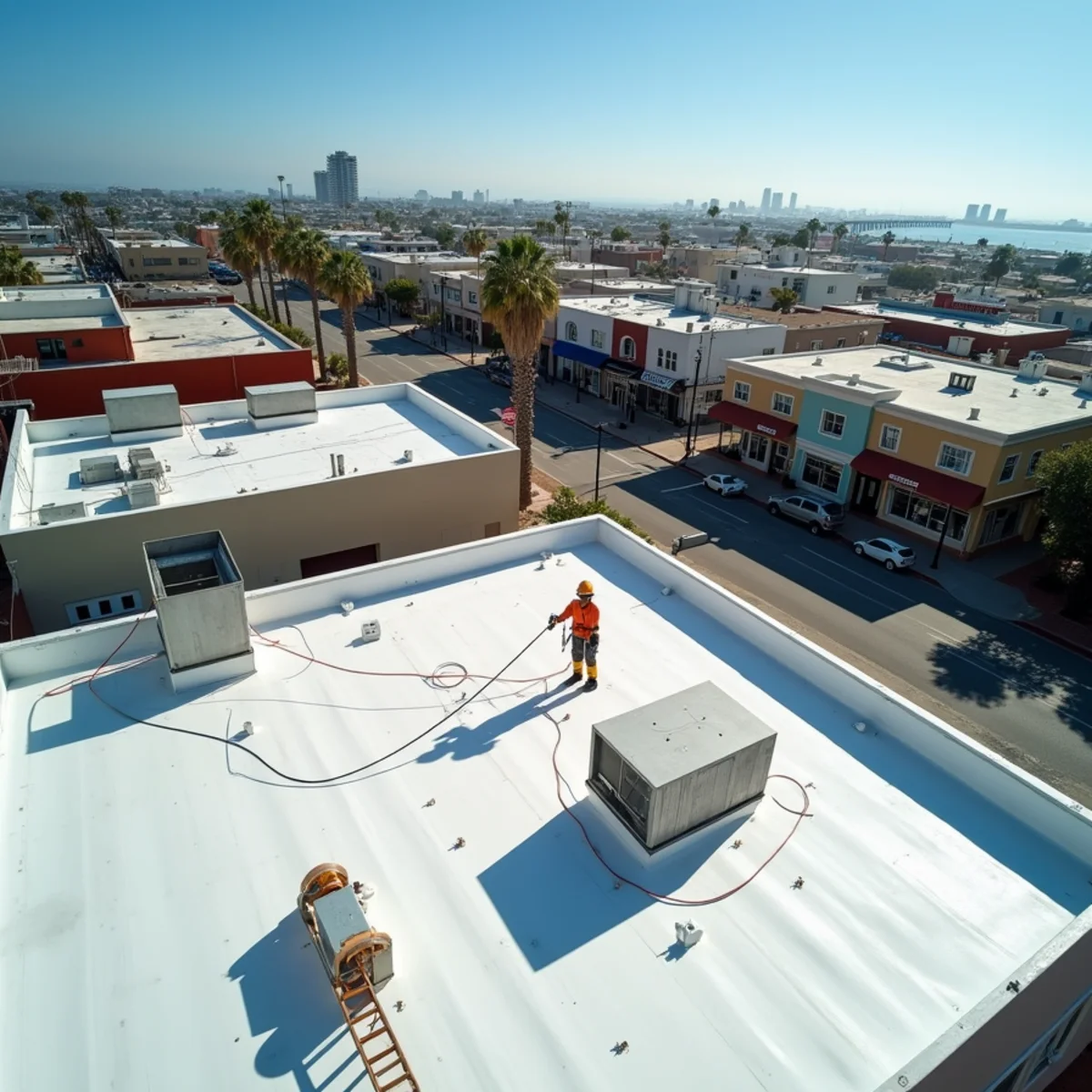
Oceanside's businesses — from pier-side restaurants to office parks and multi-family buildings — need roofing that protects their operations without disrupting them. Most commercial properties here have flat or low-slope roofs, which fail differently than the sloped roofs on houses. Instead of shedding water by pitch, they rely on a continuous membrane and deliberate drainage, so ponding water, seam separation and flashing failures are the usual culprits.
Low-slope systems that suit the coast
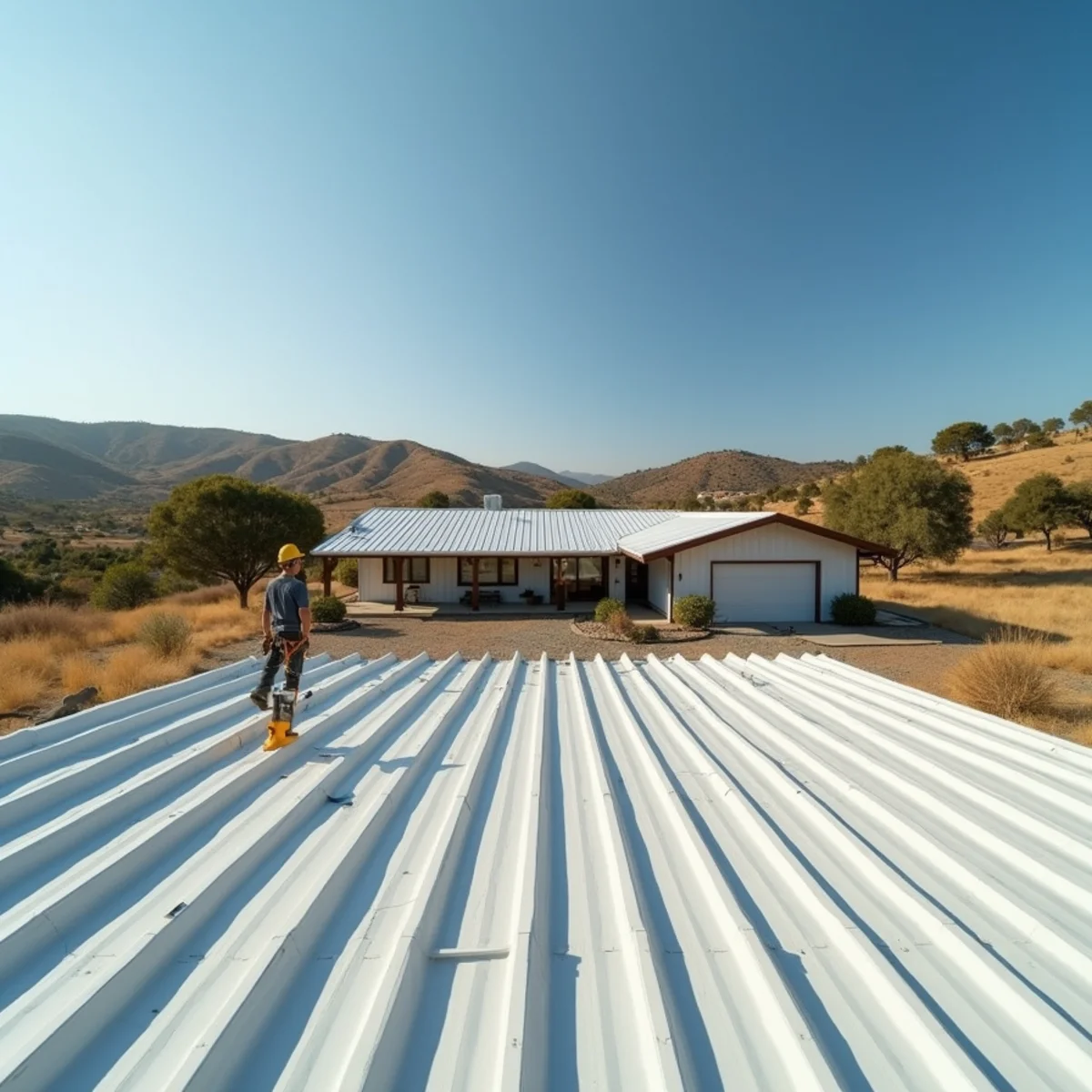
We work with the systems that hold up best in a damp, salty, sun-exposed environment. TPO is a white, single-ply membrane that reflects heat — a sensible choice for larger flat areas and buildings where cooling costs matter. Self-adhered modified bitumen performs well in the marine layer's persistent dampness and installs without an open flame, which is a real advantage for occupied buildings. For properties that want maximum longevity and a modern look, corrosion-resistant standing-seam metal is an option. The right system depends on the building, its drainage and how it is used.
Minimal disruption and clear documentation
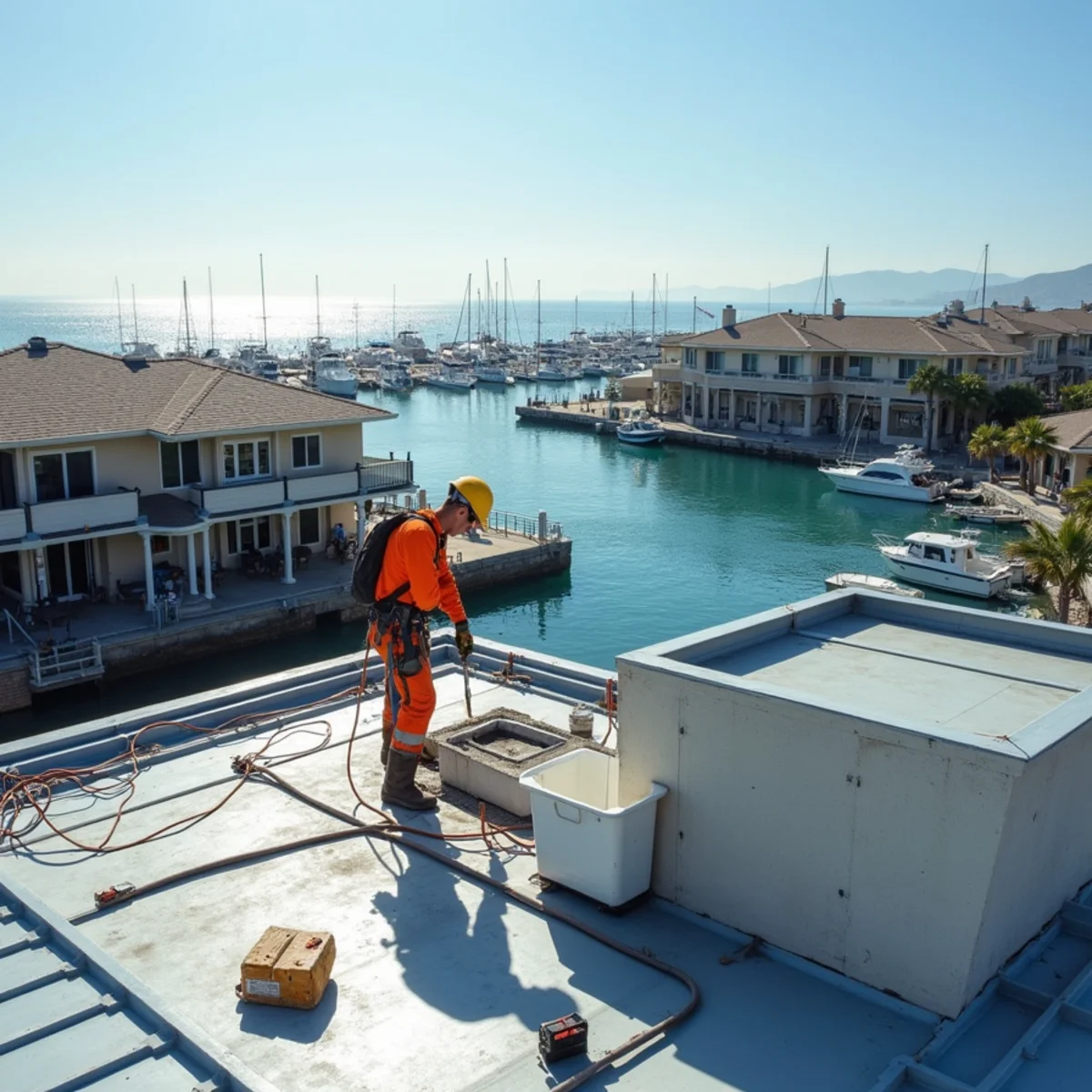
A leak over an occupied space can interrupt a business, so we plan around your operations wherever possible — working in sections, using low-odor methods and scheduling with your hours in mind. For property managers and owners, we provide documentation of roof condition that is useful for budgeting, ownership records and planning future work. If you manage a property near the harbor or the pier, where salt spray, seabird activity and constant sun accelerate wear, a preventive-maintenance rhythm usually costs less over time than a series of reactive repairs.
In depth
Repair, Replacement, Inspection and Emergency Help
Roof repair
Not every problem calls for a new roof. A leak in one area, a few broken tiles, a small stretch of failed flashing or a single roof penetration can often be repaired — the key is diagnosing the actual cause rather than patching the symptom. On a coastal roof this matters more than usual, because the spot where water shows up inside is frequently not directly beneath where it got in. Water travels along underlayment, decking and framing before it drips through a ceiling, so we trace a leak back to its true source before recommending a fix. When we do, we tell you honestly whether the repair is a lasting solution or a sensible stopgap while you plan for something larger.
Roof replacement
When a roof is near the end of its service life, shows widespread deterioration, or keeps leaking despite repairs, replacement is usually the better long-term investment — and it is the moment to correct the things a surface repair cannot reach. A full replacement typically means removing the old roofing down to the decking, inspecting that decking for rot or moisture damage, and installing new underlayment and corrosion-resistant flashing before the new roofing goes on. It is also the natural time to review ventilation and, if you may add solar later, to make the roof solar-ready so you do not pay to remove and reinstall panels down the road. We handle the required permit, keep you informed at each stage, and finish with a thorough cleanup that includes a magnetic sweep for stray nails.
Roof inspection and maintenance
A roof inspection gives you a clear, documented picture of your roof's condition so you can plan rather than react — and near the coast, small issues are easy to miss from the ground and much cheaper to address early. A good inspection looks at the roofing materials, flashing, penetrations, drainage and ventilation, with photos and a plain-language summary of what we find. Where the roof is difficult or unsafe to walk, we can use drone-assisted viewing to evaluate it without unnecessary foot traffic; it is an available method where it helps, not a gimmick applied to every job. Late summer — after the dampest marine-layer months and before the winter rains — is a practical time for an annual look. Between inspections, routine maintenance like clearing gutters, treating moss and touching up sealant keeps small problems small.
Emergency and storm assistance
When a wind event lifts shingles or a leak appears during a winter rain, the priority is stopping further water intrusion and keeping people safe. If you have an active leak, contain the water if it is safe to do so, move valuables and electronics away, and photograph the damage for your insurer — but do not climb onto the roof yourself, because a wet or compromised roof is genuinely dangerous. Call (209) 758-8550 to check current urgent-service availability; we will be straightforward about what we can do and when. After any strong Santa Ana event, it is worth a ground-level look for lifted or missing shingles even if you do not see a leak, since wind-uplift damage often goes unnoticed until the next rain.
Explore these services
Materials for coastal homes
Roofing Materials for Oceanside Properties
Choosing the right material near the coast isn't just about looks — it's about how it holds up to salt, sun and moisture.
| Material | Service-life potential | Coastal suitability | Maintenance | Appearance | Energy | Relative investment |
|---|---|---|---|---|---|---|
| Asphalt Shingles | Moderate | Moderate | Traditional | Cool-roof options | $–$$ | |
| Clay Tile | Very high (tile) | Low–moderate | Spanish / classic | Good | $$$–$$$$ | |
| Concrete Tile | Very high (tile) | Low–moderate | Versatile profiles | Cool-roof options | $$$–$$$$ | |
| Metal (Standing Seam) | High | Low | Modern / coastal | Reflective options | $$$–$$$$ | |
| Flat Membranes | Moderate | Moderate | Low-slope / modern | Reflective (TPO) | $$–$$$ |
General guidance only. Actual performance depends on product, installation, exposure and maintenance — we'll help you compare options for your specific property.
Choosing a roofing material for an Oceanside home is not only about looks — it is about how the material stands up to salt, sun and moisture over time, and how it fits your home's style and budget. There is no single "best" roof; each option trades off differently. The comparison above gives you the shape of it, and here is the plain-language version.
- Asphalt shingles are the most affordable and versatile choice. Near the coast, insist on high-wind-rated, algae-resistant shingles installed with corrosion-resistant fasteners and a quality underlayment; expect a somewhat shorter life the closer you are to the ocean.
- Clay tile is the classic look on Oceanside's Spanish and Mediterranean homes. The tile itself resists salt and sun very well and lasts a long time — but the underlayment beneath it is the real waterproof layer and usually needs renewal well before the tile does.
- Concrete tile offers much of tile's durability, often at a lower cost, with cool-roof options that help with inland heat. Like clay, its underlayment is the component to watch.
- Metal (standing seam) is a strong coastal performer when the right alloy is used — corrosion-resistant steel or aluminum rather than copper in direct salt spray — offering long service life with low maintenance.
- Flat and low-slope membranes suit garages, additions and modern designs. Self-adhered systems tend to perform better than torch-down in the marine layer's dampness, and drainage is everything.
Decide with confidence
Repair or Replacement in Oceanside?
Repair may be suitable for…
- An isolated leak in one area
- Limited or localized flashing failure
- A small area of wind damage
- A few broken or slipped tiles
- A single roof penetration issue
Replacement may be suitable for…
- Widespread deterioration across the roof
- Leaks that keep returning in new places
- Extensive underlayment failure
- Significant decking damage
- A roof near the end of its service life
Not sure which side you're on? The self-assessment gives you a general read in a couple of minutes.Results are informational and don't replace an on-site inspection.
Use the Roof Condition AssessmentThe honest answer to "repair or replace?" is that it depends on the roof's overall condition, not a rule of thumb — and certainly not on what makes the biggest invoice. A localized problem on a roof that still has good life left is usually a candidate for repair. A roof that is deteriorating in several places, leaking in new spots, or nearing the end of its expected service life is usually worth evaluating for replacement, because repeated repairs on a tired roof can quietly cost more than a replacement that resolves the underlying issues.
A few questions tend to settle it: How old is the roof relative to its expected life? How many times has it needed repair? Is the underlayment beneath tile failing? How long do you plan to stay in the home? Our Roof Condition Self-Assessment can give you a general read in a couple of minutes, and an on-site evaluation confirms it. Either way, we will lay out practical options and let you decide.
Permits & compliance
Oceanside Permits, Codes & Title 24
One of the most common questions we hear is whether a roofing project needs a permit, and whether the roof will pass inspection. In general, a building permit is required for a roof replacement that involves tearing off the existing roofing, for structural repairs to decking or framing, for a new roof on an addition or new construction, and for a re-roof that changes the roof's weight classification — for example, switching from shingles to tile. Minor repairs, such as replacing a few shingles or tiles, typically do not require a permit, but it is always worth confirming with the City before work begins, since specifics vary by project.
California's Title 24 energy standards also require cool-roof performance for many new residential roofs, measured by a value called the Solar Reflectance Index, or SRI. There are exceptions for certain roof slopes or sufficient attic insulation. Because the standards are updated on a cycle, we confirm the current edition, its effective date and how it applies to your specific project rather than assuming a particular version applies. When a permit is involved, the process generally moves from application and plan review to in-progress inspections and a final sign-off, which is a useful record for insurance and any future sale of the home.
Read the full guide
Our Oceanside roofing permits guide explains the process, cites official sources, and is dated when reviewed — always confirm project-specific requirements with the City of Oceanside.
How it works
A Clear Roofing Process, Start to Finish
- 01
Tell us what's happening
Share what you're seeing — a leak, a storm, an aging roof, or just a question.
- 02
Schedule an evaluation
We arrange a convenient time to look at the roof and understand the property.
- 03
Review findings & options
We explain what we found in plain language and lay out practical options.
- 04
Approve scope & schedule
You approve the scope and we schedule the work, permits included where required.
- 05
Complete the roofing work
We complete the work using materials suited to your roof and coastal exposure.
- 06
Final walkthrough & cleanup
We walk the property, clean up thoroughly, and document the finished work.
Your neighborhood
All neighborhoodsRoofing Across Oceanside Neighborhoods
Our service information accounts for common roofing considerations found in neighborhoods across Oceanside — from coastal South O to inland Rancho Del Oro.
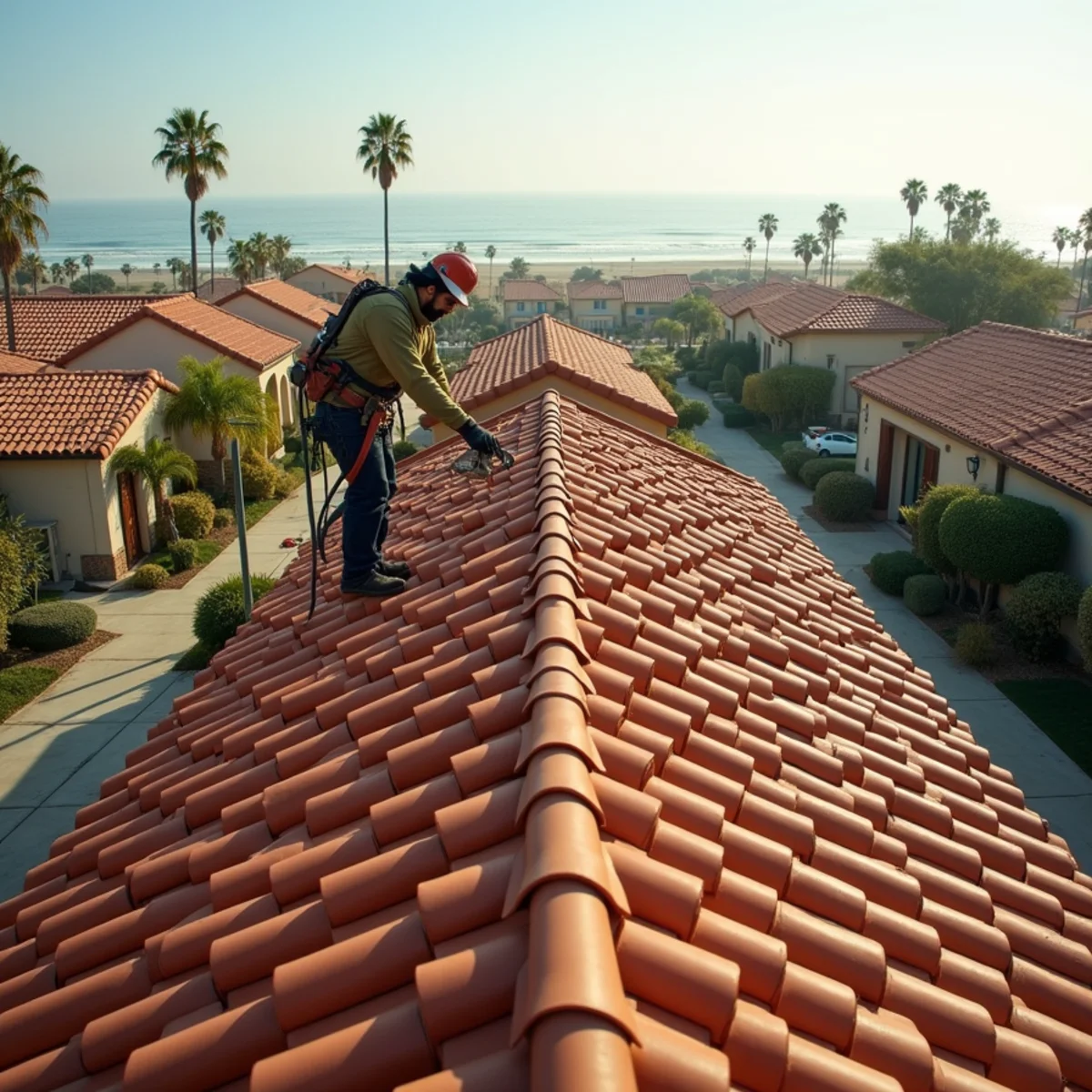
Roofing needs shift from one part of Oceanside to another, and our guidance reflects the considerations common in each area rather than any claim about specific past projects. Near the harbor and downtown, salt exposure is at its highest, and corrosion-resistant components and good drainage on flat commercial roofs matter most. In historic South Oceanside, tile roofs on older Spanish-style homes often need underlayment attention while preserving the original look. Inland neighborhoods like Fire Mountain, Rancho Del Oro, Ocean Hills and Ivey Ranch see more heat and less salt, so ventilation and cool-roof materials come to the fore — and newer, HOA-governed communities usually have design standards to work within. Explore your neighborhood below for the considerations most relevant to your home.

Roof Condition Self-Assessment
Get a general read on whether your Oceanside roof likely needs monitoring, repair, or a closer look — in about two minutes, no contact details required.
Check your roofRoofing Project Cost Planner
Understand the factors that shape your project's cost. A property-specific evaluation gives you a realistic, non-binding range.
Plan your projectProject gallery
Work in Oceanside Neighborhoods
We're building a gallery organized by neighborhood and material. Verified project photos appear here once added.
Warranty education
Understanding Roof Warranties
Warranty language is one of the most confusing parts of a roofing decision, so it is worth understanding the two kinds of coverage before any work begins. A manufacturer warranty covers the roofing materials themselves against defects, according to the manufacturer's terms; its length and what it covers vary by product, and eligibility often depends on the roof being installed to the manufacturer's specifications. A workmanship warranty covers the quality of the installation — the labor — and is provided by the contractor. The two are separate and cover different things. Before you sign anything, it is fair to ask exactly what each warranty covers, for how long, whether it is transferable if you sell the home, and what could void it.
After a storm
Insurance Claim Documentation Support
If a storm or wind event has damaged your roof, good documentation supports your insurance claim. We can provide a documented damage report — with photos and a written assessment — that you can share with your insurer, and we can help you understand what your adjuster may need. To be clear about what we can and cannot promise: coverage decisions rest with your insurance company, and no roofing contractor can guarantee that a claim will be approved. One practical note: most policies limit the time you have to report damage, so it is worth arranging an inspection as soon as it is safe to do so.
Read our insurance claim documentation guide for what to photograph and how the process generally works.
Oceanside FAQs
Common Oceanside Roofing Questions
Yes — from the harbor and downtown to inland neighborhoods like Fire Mountain and Rancho Del Oro. Tell us your ZIP and we'll confirm and discuss your roof.
Salt accelerates corrosion of fasteners and flashing, the marine layer keeps roofs damp longer, and UV degrades materials faster — which is why coastal-appropriate materials and corrosion-resistant components matter here.
Corrosion-resistant metal and quality tile both offer long coastal service life. Metal (with the right alloy) suits beachfront and contemporary homes; tile suits Spanish and Mediterranean styles. The best choice depends on your home and exact exposure.
Yes. Many South O homes have clay or concrete tile where the goal is preserving the look while renewing the underlayment beneath. We match materials as closely as possible and handle tile carefully to avoid walking damage.
An annual inspection is a sensible baseline near the coast, plus an extra look after major storms or wind events. Late summer — after the dampest marine-layer months and before winter rains — is a practical time.
A permit is generally required for replacements involving tear-off. Minor repairs typically do not. See our Oceanside roofing permits guide, and confirm current requirements with the City of Oceanside.
If it's safe, contain the water with a bucket, move valuables away, and photograph the damage for your insurer. Don't climb onto the roof — wet or damaged roofs are unsafe. Call (209) 758-8550 to check current urgent-service availability.
Yes. Many Oceanside businesses have flat or low-slope roofs (TPO, modified bitumen, metal). We repair, coat and maintain them, and plan work around your operating hours where possible.
Yes. If you're planning solar, the roof can be designed or replaced to be solar-ready, which avoids paying to remove and reinstall panels later. Tell us early so we can detail for it.
Oceanside roofing
Get a Clear Plan for Your Oceanside Roof
Tell us what you're seeing, and we'll help you take the next sensible step — no pressure.