Loading…
Oceanside Neighborhoods
Roofing in Fire Mountain, Oceanside
Fire Mountain is an established Oceanside neighborhood of larger lots and mid-century-era homes set back from the immediate coast. Homeowners here may encounter aging roofing materials, sun exposure and ventilation concerns depending on roof orientation and property age.
Common property styles
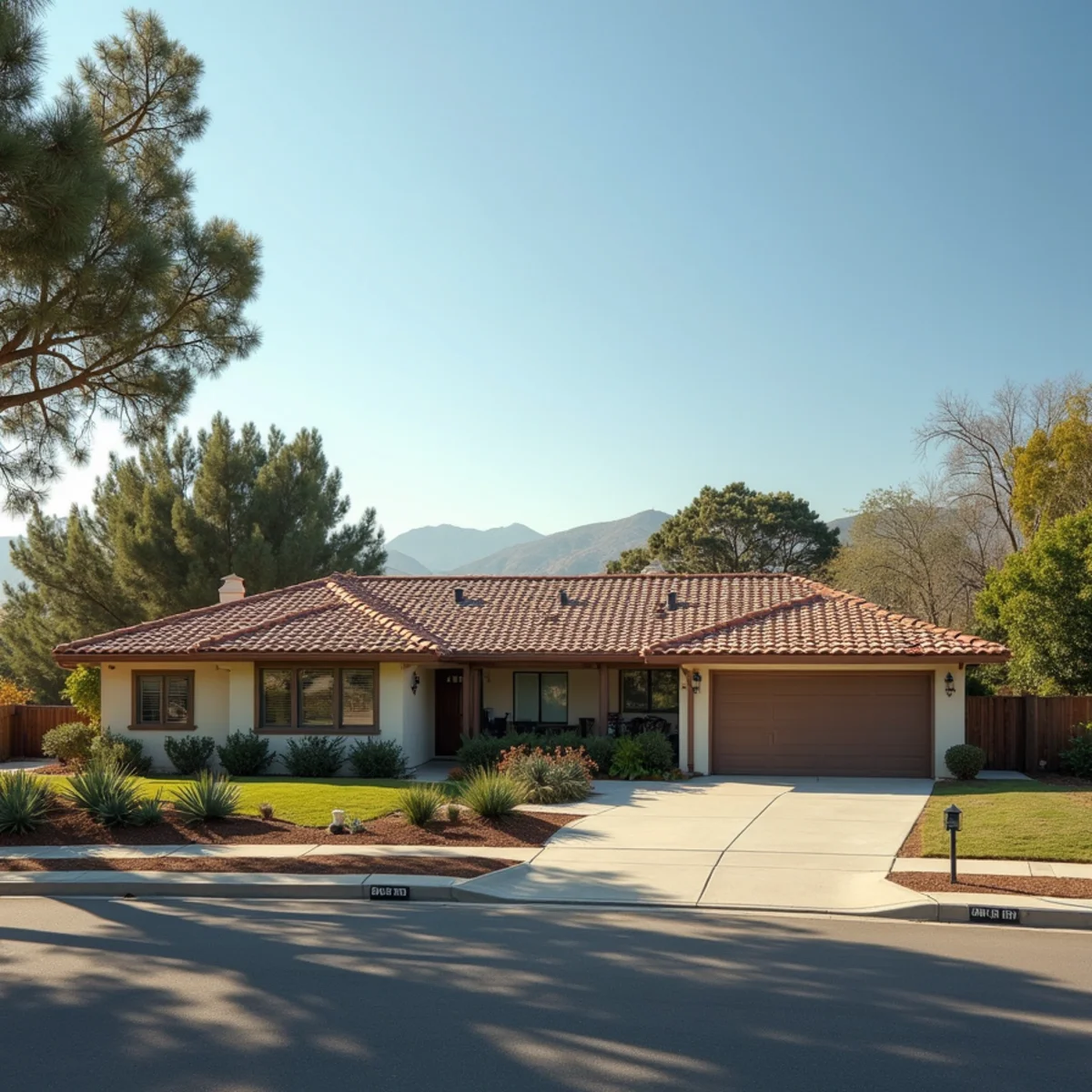
Fire Mountain features ranch-style and custom homes, many built in earlier decades, with a mix of tile and shingle roofs. Larger lots and mature landscaping are characteristic.
Roofing materials you'll see here
- Concrete and clay tile
- Cool-roof asphalt shingles
- Metal roofing
Exposure considerations
Set slightly inland, Fire Mountain sees strong sun and heat with somewhat less direct salt than the shoreline. Attic ventilation and cool-roof options are worth considering, and older homes may have aging underlayment.
Maintenance guidance
For homes built decades ago, plan for the possibility of aging underlayment and check attic ventilation. An inspection helps you budget rather than react.
Roofing Considerations Specific to Fire Mountain
Fire Mountain occupies a quieter, established corner of Oceanside, set back from the immediate coast on generous, mature lots. The homes lean toward mid-century ranch and custom designs, and a good number are still working through their first or second roof, which tells you most of what you need to know about roofing here. The salt spray that governs shoreline roofs eases off this far from the water, and in its place two quieter forces do the shaping: a strong, steady sun and the plain fact that an older house has older layers overhead. A Fire Mountain roof tends to age less from the ocean and more from time and heat, and planning around that is what keeps one holding up.
Mid-century ranch homes on larger lots
Much of Fire Mountain took shape in the mid-century decades, and the architecture still reads that way: long, low ranch houses and one-off custom homes on wider lots than you find in Oceanside's newer tracts. Rooflines tend to be broad and gently pitched, with the deep eaves and wide overhangs that give a ranch home its low, horizontal look. Those overhangs shade the walls, but they also mean more fascia and soffit, the trim board and the underside of the eave, to keep sound, and more roof edge for weather to work on. Tile and asphalt shingle both appear overhead, sometimes on the same street, so a sensible roofing plan starts by reading the individual home rather than the neighborhood as a whole.
Set back from the coast: a softer take on salt air
Fire Mountain still breathes marine air, since the morning marine layer rolls inland over these streets, but the constant, corroding salt spray of the shoreline arrives here softened and diluted. That does not make it irrelevant. Corrosion-resistant fasteners and flashing, the nails and sealing metal that hold a roof together and seal its joints, are still a sensible choice, because even a mild, steady dose of salt air works on ordinary hardware over the years. What changes is the ranking. On a Fire Mountain roof, sun and heat usually outrank salt as the forces you plan around, which is the reverse of how a home a mile or two closer to the water would think about it.
Sun and heat do the daily work
With less marine cover than the coast and long, clear afternoons, these roofs take a serious dose of sun. The south- and west-facing slopes bear the brunt, and ultraviolet light is patient: it dries and hardens asphalt shingle, fades tile and coatings, and slowly stiffens materials until they grow brittle. Heat compounds it. Every day the roof warms and cools, and that expand-and-contract cycle loosens fasteners and tires out sealants a little at a time. So a single roof often ages at two speeds, with the shaded north planes weathering slowly while the sun-struck sides get there first. It is worth judging a roof by those hardest-working slopes rather than by the shadier, better-preserved side.
The layer that ages first: underlayment
On a home built decades ago, the part most likely to need attention is rarely the tile or shingle you can see. It is the underlayment beneath it, the water-resistant sheet between the roofing and the wood deck that does the real work of keeping water out. Underlayment ages quietly and out of sight, and on an older Fire Mountain roof it can be nearer the end of its service than the surface above suggests. Tile especially can look almost new while the layer under it has grown brittle, because good tile often outlasts the underlayment it sits on.
Flashing at the joints
Flashing, the metal that seals the joints where a roof meets a wall, chimney or vent, tells a similar story, and on an older home it may predate today's corrosion-resistant materials. None of this means an aging roof is in trouble, since plenty have good years left. It means the honest first step is finding out where the hidden layers stand, so you can plan on your own schedule with no surprises rather than react to a stain spreading across a ceiling.
Why ventilation matters more under an older roof
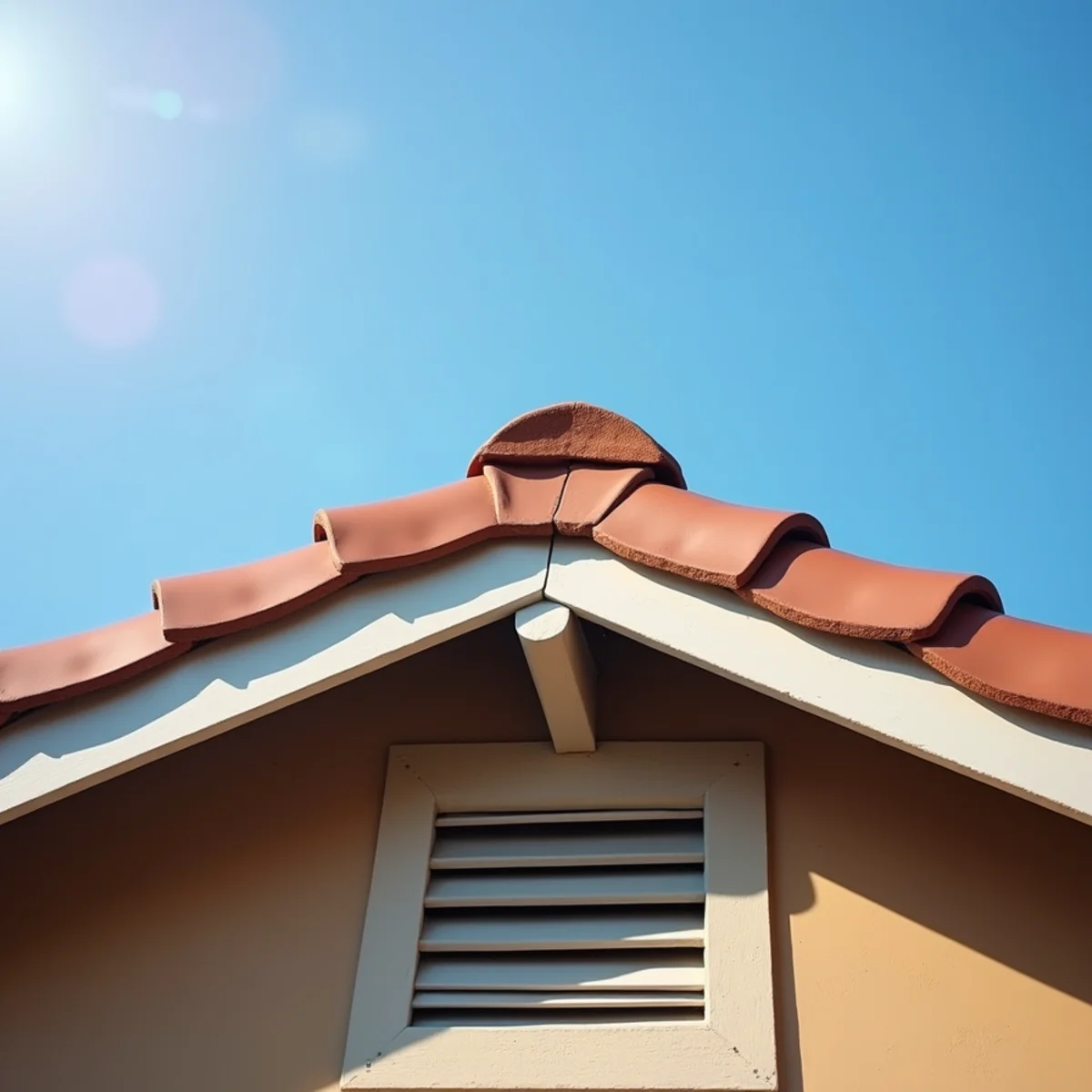
Out of sight in the attic, ventilation quietly decides how well a roof copes with all that heat. A balanced system pairs intake vents low at the eaves, which draw cooler air in, with exhaust vents high near the ridge, which let hot air escape, together keeping a column of air moving under the deck. When that balance is off, heat and moisture build up beneath the roof and age the underlayment from below, on top of everything the sun is doing from above. Mid-century homes were frequently built with less attic airflow than this warm, inland-leaning climate really wants, so on an older Fire Mountain house it is worth confirming the intake and exhaust are both present and doing their job. Better airflow can make the rooms below more comfortable in summer, too.
Cool-roof options are worth weighing
Because heat is the defining factor here, reflective cool-roof materials, meaning roofing made to bounce more of the sun's energy away instead of soaking it in, are more than a nicety in Fire Mountain. The options span the styles, from cool-rated asphalt shingle to reflective tile finishes to coatings for low-slope sections, so choosing one rarely means giving up the look you want. There is a practical reason to weigh it at replacement time, too. California's building energy code, often called Title 24, can factor into a re-roof, and the exact requirements change over time, so it is worth confirming what currently applies to your project. We will walk you through the choices that suit your home and its style.
The roof systems you will see here
Three broad systems cover most of the neighborhood. Concrete and clay tile sit on many of the ranch and custom homes and hold up well under sun, though a tile decision really turns on the weight of the tile and the condition of the underlayment beneath it. Asphalt shingle is widespread too, straightforward to match and available in the heat-reflective versions mentioned above. And here and there you will find a low-slope section over a patio cover, a carport or a mid-century flat-roofed addition, which sheds water through sound seams and deliberate drainage rather than a slope. Matching the system to the specific structure, instead of defaulting to one answer for the whole house, is the through-line across all of it.
Larger lots, mature trees and shaded slopes
The mature landscaping that makes Fire Mountain's larger lots so pleasant has a roofing side effect. Trees that overhang the roof drop leaves and needles into valleys and gutters, and the shaded, slower-drying planes beneath them, usually the north-facing ones, can hold moisture long enough to grow moss. Moss looks harmless but it lifts material and holds water against the roof, so it is far better treated early than left to establish. Keeping overhanging branches trimmed back and clearing debris so water actually drains does a lot to help those shaded slopes dry out. It is ordinary upkeep, but on a wooded lot it is the kind that quietly adds years.
Design freedom in an established neighborhood
Fire Mountain is an established neighborhood of individual, mostly custom and ranch-style homes, so most streets here do not sit under the strict architectural review that governs Oceanside's newer master-planned tracts. In practice that usually gives homeowners more freedom in choosing roofing materials and colors, though it is still worth keeping a re-roof in character with a mid-century home, since a profile and color that suit the architecture protect both the look and the resale appeal. If your particular property does happen to fall within a specific HOA or design overlay, confirm what applies before settling on materials. Either way, we will help you match a durable, code-appropriate roof to the style of the house.
Repair, re-roof or replace: making the call
With so many Fire Mountain roofs working through an older layer of underlayment, the recurring question is whether to repair, re-roof or fully replace, and there is rarely a single right answer. A sound roof with a localized problem may only need a targeted repair. One with tired underlayment across the whole deck is usually better served by a full replacement than by chasing leaks one at a time. Tile sometimes allows a middle path, where the existing tile is lifted and reset over fresh underlayment. The way to choose between them is not guesswork. It is an inspection that shows where the underlayment, flashing and ventilation actually stand, so you can budget and plan on your own timeline rather than after a leak forces the decision.
A practical checklist for a Fire Mountain roof
None of this calls for alarm, just attention matched to an older home under a strong sun. A few steps cover most of the ground:
- Have the underlayment and flashing assessed on any older tile or shingle roof, even when the surface looks sound, since those hidden layers usually age first.
- Ask whether the attic ventilation is balanced between intake at the eaves and exhaust at the ridge, because mid-century homes were often built with less airflow than this climate wants.
- Give the sun-facing south and west slopes extra attention, as they weather faster than the shaded sides.
- Consider cool-roof-rated materials at replacement time for the heat, and confirm what the current energy code requires for your project.
- Keep overhanging branches trimmed and clear leaves and needles from valleys and gutters so shaded planes can dry.
- For a replacement that tears off the old roofing, expect a permit to be required, and confirm current requirements with the City of Oceanside before work begins.
Not sure where your roof stands?
Try the Roof Condition Assessment for a quick, general read — it doesn't replace an on-site inspection.
Frequently asked questions
Concrete and clay tile and asphalt shingle are both common across the neighborhood's ranch-style and custom homes, sometimes on the same street. You will also find the occasional low-slope section over a patio cover or a flat-roofed addition. The best material for a replacement depends on your specific home, its style and your budget.
Some, but softened. Set back from the immediate coast, Fire Mountain still gets marine air from the morning layer, but not the constant salt spray of the shoreline. Corrosion-resistant fasteners and flashing are still a sensible choice, though sun and heat usually matter more here than salt.
Because this inland-leaning area sees strong sun and heat, and many mid-century homes were built with less attic airflow than the climate really wants. Balanced ventilation, with intake low at the eaves and exhaust high near the ridge, helps the roofing materials last and can make the rooms below more comfortable.
Possibly. On an older home, the underlayment beneath the tile, which is the water-resistant layer that actually keeps water out, often ages before the tile shows any wear. Good tile can look almost new while the layer under it has grown brittle. An inspection can tell you where that hidden layer stands.
For a sun-exposed, heat-driven area like this, reflective cool-roof materials are worth weighing. They come in cool-rated shingle, reflective tile finishes and coatings for low-slope sections, so you rarely have to give up the look you want. California's energy code can also factor into a re-roof, so confirm what currently applies to your project.
As an established neighborhood of individual custom and ranch homes, most Fire Mountain streets are not under the strict architectural review common in Oceanside's newer master-planned communities, which usually means more freedom in materials and colors. That said, some properties may fall within a specific HOA or overlay, so it is worth confirming what, if anything, applies to yours before changing materials.
A full replacement that tears off the old roofing generally requires a permit. Requirements can change, so confirm current rules with the City of Oceanside before work begins. We can help you understand what a given project is likely to involve.
It depends on where the roof sits in its life. A sound roof with a localized issue may only need a targeted repair, while tired underlayment across the whole deck usually points toward replacement. An inspection that checks the underlayment, flashing and ventilation gives you the honest picture so you can plan rather than react.
Relevant services
Nearby Oceanside areas
Fire Mountain
Roofing Help in Fire Mountain
Tell us what you're seeing and we'll help you take the next sensible step.