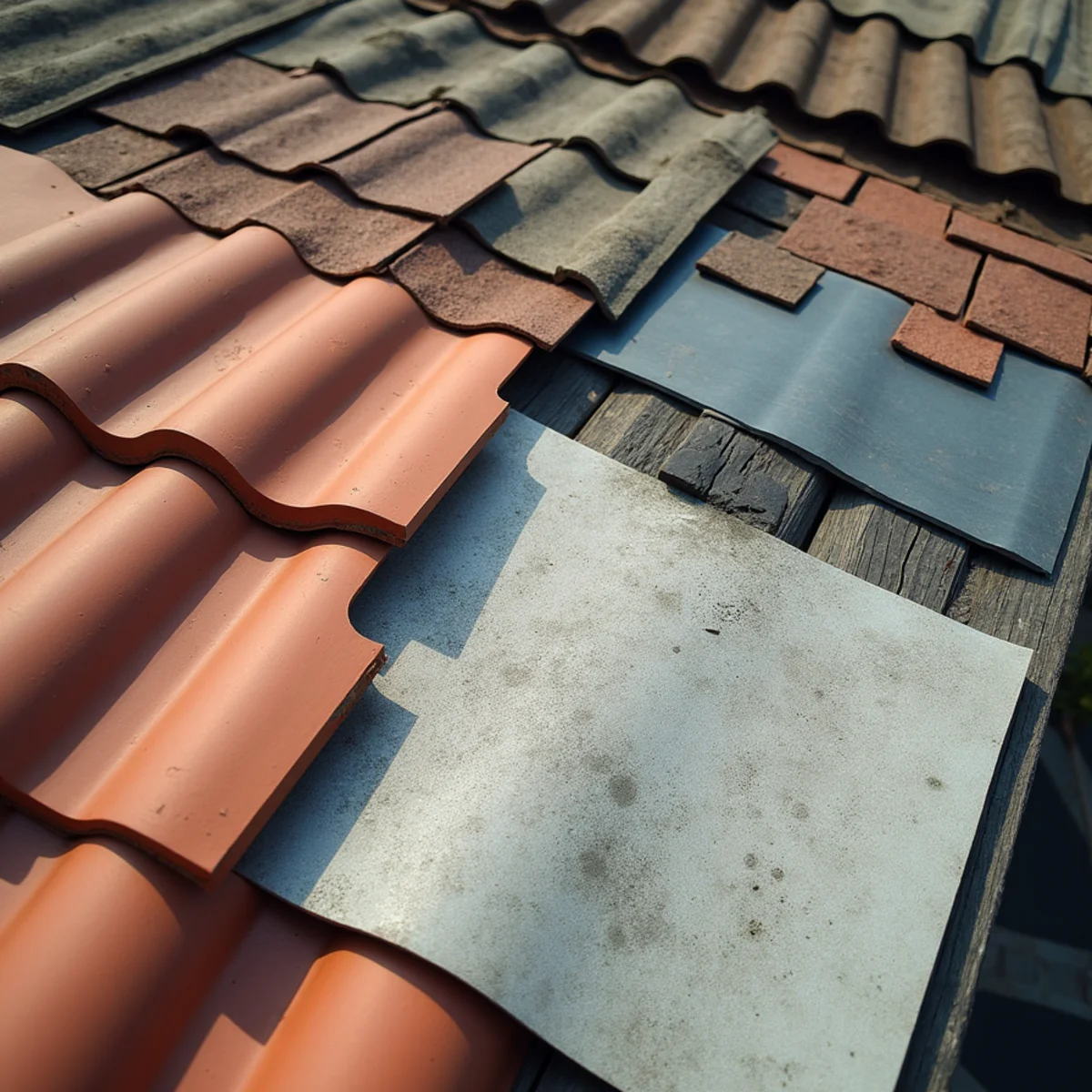
When you start shopping for a new roof near the coast, everyone seems to have a different answer about which material is 'best', and most of those answers were written for somewhere that is not Southern California. The honest truth is that there is no single best roofing material for coastal homes; there is only the best fit for your exposure, your home's style and your budget. This guide compares the main options side by side so you can see how each one holds up to salt, sun and marine moisture, and where each makes the most sense.
What 'best' really means near the coast
Inland, choosing a roof is mostly about looks, budget and how long the material lasts under sun and the occasional rain. Near the water in Oceanside and across North County San Diego, a third factor moves to the front: how well the whole assembly resists salt air. Salt corrodes the metal parts of a roof, the fasteners and flashing, faster than it does anything else, so a material that performs beautifully in a dry desert climate can disappoint here if it is installed with the wrong hardware.
That means the smartest way to read any comparison of coastal roofing materials is to look past the surface material and ask about the parts you will never see. Corrosion-resistant fasteners, quality flashing and a durable underlayment, the water-resistant layer laid over the wood decking, matter as much as the shingle or tile on top. We will point out the strengths and trade-offs of each option below, but keep that theme in mind: on the coast, the hidden components often decide how long a roof lasts.
One more ground rule. We are going to talk about durability and relative cost in general terms rather than promising a specific number of years or a price per square foot. Real lifespan and cost depend on your exact exposure, the product chosen and the quality of installation, and reputable industry guidance treats those figures as ranges, not guarantees. With that said, here is how the main materials stack up for a beach-adjacent home.
Metal roofing
Metal, usually in a standing-seam profile, which means vertical panels joined by raised, sealed seams that keep the fasteners hidden from the weather, is one of the strongest coastal performers when the right alloy is chosen. Corrosion-resistant coated steel and aluminum are built to handle salty air, shed water cleanly and ask very little in the way of maintenance. For homeowners who want long service life and a clean, modern look, metal is hard to beat.
The cautions are specific rather than general. Alloy choice is everything this close to the water: the wrong metal, or copper in direct salt spray, can weather in ways you did not intend. Metal also sits toward the higher end of the cost range, and it needs proper underlayment and detailing to manage condensation and the occasional wind-driven rain. Get those details right, though, and metal roofing rewards the investment with durability that suits the coast especially well.
Clay and concrete tile
Tile is the classic Southern California roof for good reason. It fits the Spanish and Mediterranean architecture that fills so many Oceanside neighborhoods, and the tile itself barely notices salt. Clay tile offers the most authentic look and an exceptionally long life for the tile pieces; concrete tile delivers much of the same durability, often at a lower cost, and comes in a wider range of profiles and colors, including cool-roof options that help with inland heat.
For either kind of tile, the honest conversation is about two things: weight and underlayment. Tile is heavy, so the home's structure has to be built or reinforced to carry it. And because the tile sheds water but does not truly waterproof the roof, the underlayment beneath is the real barrier, and it typically needs renewal well before the tile reaches the end of its life. A tile roof that looks perfect can still leak if the underlayment underneath has aged out. Plan for that and tile is one of the best coastal roofing materials available.
High-wind-rated shingles
Asphalt shingles are the most affordable and versatile choice, and they can absolutely work near the coast with the right specification. The two features that matter most are a high wind rating, so the shingles resist being lifted by gusty Santa Ana conditions, and algae resistance, which helps in the damp shade of the marine layer. Just as important are the parts underneath: corrosion-resistant fasteners and flashing, plus a quality underlayment.
The trade-off is life expectancy. Shingles generally have a shorter service life than tile or metal, and the closer the home sits to the ocean, the more that gap tends to show. For a budget-conscious homeowner, or for a home a little further inland, a well-specified shingle roof can still be a sensible, good-looking choice. The mistake to avoid is buying on price alone and ending up with standard fasteners that corrode years early.
Flat/low-slope membranes
Not every roof is a steep slope. Garages, additions, mid-century homes and many modern designs use flat or low-slope roofs, which keep water out with a continuous waterproof membrane rather than by shedding it down a pitch. Near the coast, self-adhered systems tend to hold up better than older torch-applied methods in the persistent marine dampness, and they install without an open flame, a real plus on an occupied building.
With any low-slope roof, drainage is everything. Because these roofs are nearly level, standing water, known as ponding, is the enemy, and salt air only compounds the wear at seams and flashings. Done well, with proper slope to the drains and clean detailing, a membrane roof serves a coastal home reliably. Reflective membrane options also help keep the space below cooler, which matters more the further inland you go.
Matching material to exposure zone
The last step is to match the material to where your home actually sits, because roofing for beach homes and roofing for a house a few miles inland are not quite the same problem. Think of Oceanside as a gradient from heavy salt at the water to more heat and less salt as you move inland.
- Right at the coast or near the harbor: prioritize corrosion resistance above all, with well-detailed metal in the right alloy, or tile with premium underlayment and corrosion-resistant hardware.
- The transitional middle zone: most materials work well here; focus on quality flashing, fasteners and a durable underlayment whatever surface you choose.
- Further inland neighborhoods: heat management moves up, favoring cool-roof-rated tile, reflective membranes or algae- and heat-tolerant shingles with good attic ventilation.
There is no universal winner in that list, and any roofer who names one without asking where you live is skipping the most important question. The best roofing material for coastal homes is the one whose strengths line up with your exposure, your architecture and what you want to spend, matched with the hidden components that let it stand up to salt. If you would like help placing your home on that gradient, a straightforward on-site look is the surest way to decide with confidence.
Frequently asked questions
Sources & further reading
- Manufacturer coastal installation bulletins
- NRCA material guidance
This article is general guidance. Confirm current code, permit, Title 24, insurance and warranty specifics with the relevant authority for your project.