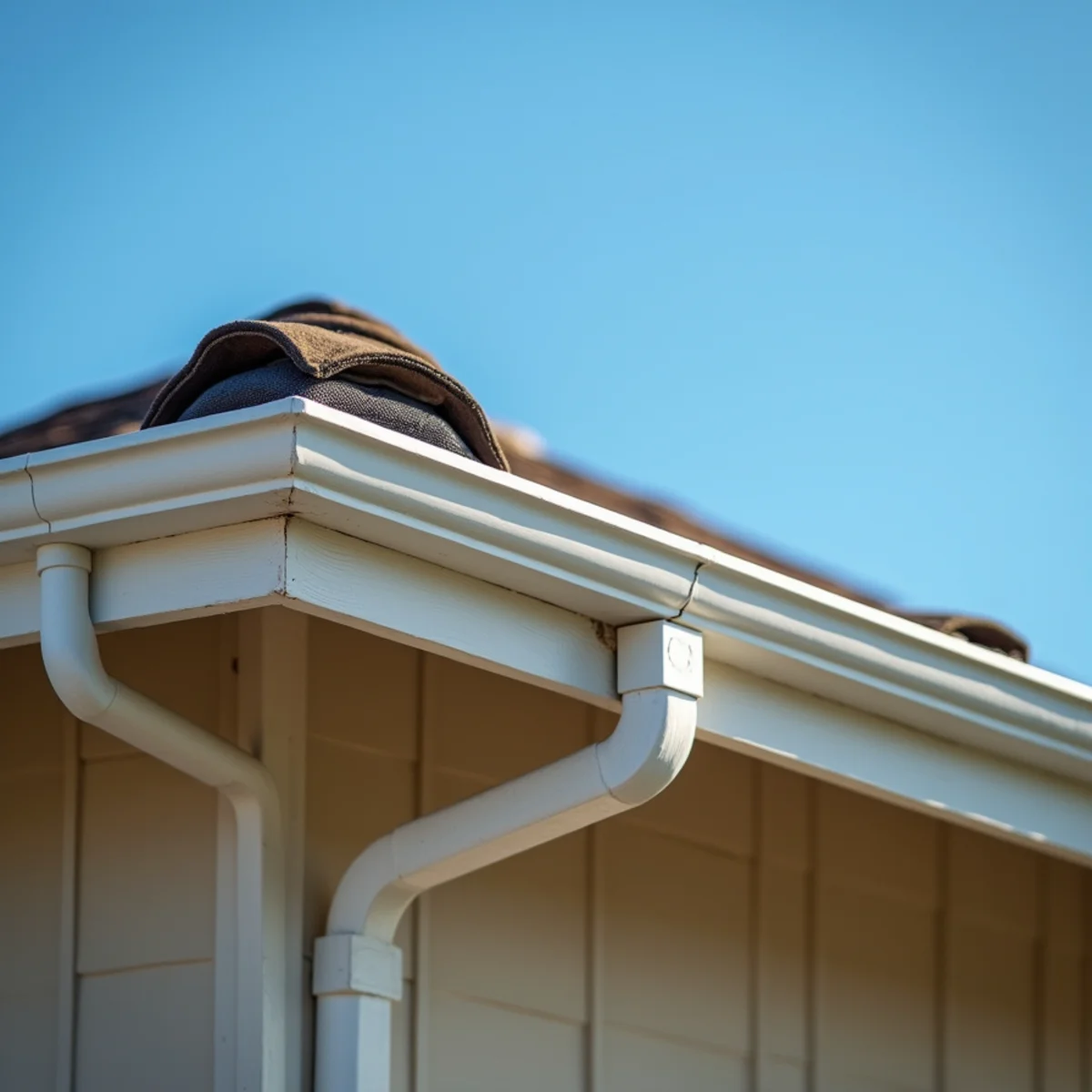
Ask most homeowners what determines how long a roof lasts and they will point to the shingles or tiles on top. Far fewer think about the air moving — or not moving — in the space just beneath. Yet attic ventilation quietly shapes how a roof ages, especially in Oceanside's warmer inland neighborhoods where a summer attic can turn into an oven. Get the airflow right and your roofing materials and decking work under far less stress; get it wrong and the roof can wear out from the inside.
Intake and exhaust balance
A well-ventilated attic works on a simple principle: cool, fresh air comes in low and warm, stale air leaves high. Intake ventilation is the airflow that enters near the eaves, usually through soffit vents tucked under the roof's overhang. Exhaust ventilation is the warm, moist air that escapes near the top, through ridge vents along the peak or other high vents. As the air inside heats up it rises and exits, and that gentle, continuous movement draws fresh air in behind it.
The word that matters most here is balance. The importance of roof ventilation is not just about having vents — it is about having intake and exhaust in the right proportion. An attic with plenty of exhaust but blocked or missing intake cannot draw fresh air properly, so the whole system stalls. A common and often overlooked problem is insulation stuffed against the eaves, quietly choking off the intake the roof depends on. When the balance is off, the roof loses the steady airflow that keeps heat and moisture from building up against it.
- Intake low at the eaves, typically through soffit vents
- Exhaust high near the ridge, through ridge or other upper vents
- Intake and exhaust roughly matched so air can actually flow
- Soffit vents kept clear of insulation blocking the airflow
Heat's effect on materials
Heat is the first thing good ventilation manages, and it matters more inland than most people expect. On a still summer afternoon in a neighborhood like Fire Mountain or Rancho Del Oro, an under-ventilated attic can trap a remarkable amount of heat beneath the decking. That trapped heat does not just make the upstairs uncomfortable and run up cooling bills — it works on the roof itself from below.
Attic heat roof damage tends to show up as accelerated aging. On a shingle roof, prolonged high temperatures can dry out the asphalt binders and encourage premature curling, cracking and granule loss. Underneath, the decking and any sealants bake alongside the roofing. Adequate ventilation carries much of that heat away before it can do its work, which is one of the plainer reasons a balanced attic helps roofing materials reach a fuller service life. It is not a cure-all, but it takes a real load off the roof.
Moisture and the marine layer
Heat is only half the story near the coast. The marine layer that keeps Oceanside mornings gray also loads the air with moisture, and that moisture has to go somewhere. Inside a home, everyday activities — showers, cooking, laundry — add still more water vapor to the air, and a good deal of it drifts up into the attic. Without a way out, that humid air condenses on the cool underside of the decking, especially through the damp coastal months.
Over time, trapped attic moisture is arguably harder on a roof than heat. It can feed mold and mildew, soak insulation until it stops insulating, and keep the decking damp enough to rot slowly from beneath — often years before anything shows on the surface. Balanced ventilation gives that moist air a continuous path out of the attic, so it leaves the building instead of settling into the structure. For a coastal home, managing moisture is not a bonus feature of good ventilation; it is one of the main jobs.
- Condensation forming on the underside of the decking
- Mold, mildew or a persistent musty smell in the attic
- Insulation that has grown damp and lost its effectiveness
- Decking staying damp long enough to rot slowly out of sight
Signs of poor ventilation
You do not need special equipment to notice that an attic is not breathing well. Several signs are visible from inside the living space or with a careful, bright-day look into the attic — never by climbing onto the roof. An attic that feels intensely hot and stuffy in summer, upstairs rooms that stay warm long after sunset, or unusually high cooling bills all point toward trapped heat.
Moisture leaves its own trail. Frost or condensation on the underside of the decking in cooler weather, a musty smell, damp or matted insulation, rust on nails and metal connectors, or patches of dark mildew are all worth taking seriously. On the outside, ventilation trouble can show up as roofing that ages faster on one plane than another. Any of these is a reason to have the ventilation evaluated as part of a roof inspection rather than guessing at the cause.
- An attic that is intensely hot and stuffy in summer
- Upstairs rooms that stay warm well after sunset
- Cooling bills that seem high for the home's size
- Condensation, rust or mildew on attic surfaces
- Roofing that appears to be aging unevenly from plane to plane
Improving ventilation during a reroof
The best moment to correct a ventilation problem is when the roof is already open. During a reroof, the old roofing is stripped down to the decking, which gives clear access to add or rebalance intake and exhaust vents in a way that would be far more disruptive on an intact roof. If a home has struggled with attic heat or moisture, planning ventilation improvements into a replacement is one of the more cost-effective upgrades available, because much of the labor is already being done.
This is also the time to make sure intake and exhaust are matched, to clear any insulation blocking the soffit vents, and to consider whether the attic would benefit from added intake at the eaves or continuous exhaust at the ridge. Every home is different, and the right approach depends on the roof's shape, the attic's layout and how close you are to the coast. A roofer can assess the existing airflow and recommend a balanced solution rather than simply adding vents for their own sake. If a reroof is not on the horizon, ventilation can still be improved on its own — but folding it into a planned replacement usually makes the most of the opportunity.
- Confirm intake and exhaust are balanced for the attic's size
- Clear insulation away from the soffit vents to restore intake
- Consider continuous ridge exhaust paired with adequate eave intake
- Address any decking damage found once the roof is open
- Let the roof's shape and coastal exposure guide the design
Frequently asked questions
Sources & further reading
- NRCA / building-science ventilation guidance
This article is general guidance. Confirm current code, permit, Title 24, insurance and warranty specifics with the relevant authority for your project.