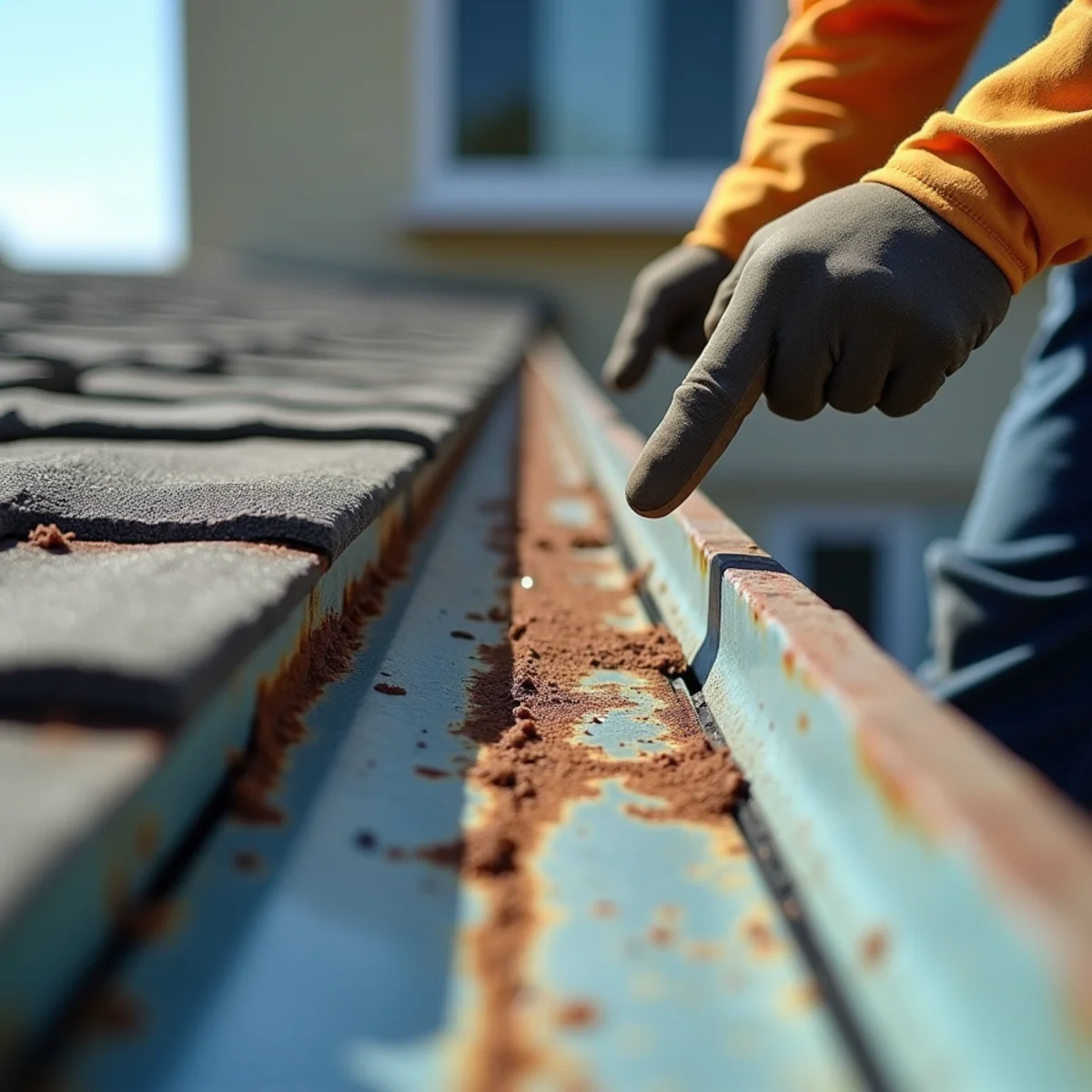
If your roof leaks near a chimney, a skylight or where a roof plane meets a wall, the roofing itself is probably not the problem. The likely culprit is the flashing — the least understood part of most roofs and one of the most common places for water to sneak in. Flashing problems account for a large share of leaks precisely because flashing lives at the roof's most vulnerable joints, and once you understand what it does, the signs of trouble are much easier to read.
What flashing does
Flashing is thin, formed metal installed at the joints where a roof cannot rely on shingles or tile alone to keep water out. Wherever the roof surface is interrupted or meets something vertical — a chimney, a wall, a skylight, a vent pipe, or the valley where two slopes come together — there is a seam, and a seam is an opening waiting to happen. Flashing bridges those seams and channels water back out onto the roof surface, where it can drain away as intended.
There are several kinds, each shaped for a particular joint, though you do not need to memorize the names. Step flashing tucks under the shingles in layers where a roof meets a sidewall. Counter flashing laps over the top of it, often set into a chimney's masonry, so water cannot get in behind. Valley flashing lines the channels between slopes that carry the most runoff. A drip edge runs along the roof's edges to guide water into the gutter. The common thread is that all of it works by overlapping — each piece directs water onto the next — rather than by sealing a gap shut with caulk. That distinction matters when it comes time to repair it properly.
Signs of flashing failure
The clearest outside signs are visible changes to the metal itself. Flashing that has lifted, bent, buckled or pulled away from the surface has broken the overlap that keeps water out. Rust, corrosion or holes in the metal mean it can no longer do its job. And gaps where old sealant has dried, shrunk and cracked away leave a direct path for water — often a sign of a repair that was made with caulk alone rather than proper metalwork.
Inside, the giveaway is where the leak appears. Water stains on the ceiling or walls near a chimney, around a skylight, or along the line where a lower roof meets an upper wall are classic chimney flashing issues and their close cousins. Because these are the exact spots flashing protects, a stain in one of them points to flashing before it points to the roofing field. Keep in mind, though, that water travels — the stain may sit a little downhill of the actual failure, so the entry point is usually uphill of where you see the damage.
- Flashing that is lifted, bent, buckled or separating from the roof
- Rust, corrosion, pinholes or missing sections of metal
- Cracked, shrunken or missing sealant at flashing joints
- Interior stains near a chimney, skylight, vent or roof-to-wall line
- Loose or crumbling mortar where counter flashing meets a chimney
Why coastal corrosion accelerates it
Near the Oceanside coast, flashing has a harder life than it would inland. Salt carried on the ocean air settles on metal and speeds up corrosion, so standard flashing can begin to rust and thin years earlier close to the water than it would a few miles in. Because flashing is metal sitting at the roof's most exposed joints, it is often the first component to show coastal wear — sometimes while the surrounding shingles or tile still look perfectly fine.
This is why material choice matters so much here. Corrosion-resistant flashing holds up considerably better in salt air, and it is worth prioritizing on any coastal roof, particularly at chimneys and other spots that are expensive to reach and reseal. The persistent dampness of the marine layer adds to the effect by keeping the metal wet longer, which gives corrosion more time to work. None of this happens overnight, but over the years it is one of the main reasons a coastal roof develops flashing problems before anything else fails.
Repair vs replacement of flashing
Not every flashing problem calls for tearing metal out. When the flashing itself is sound and the issue is dried-out sealant or a small area that has worked loose, resealing and refastening can be a legitimate, lasting fix. The key is honesty about which situation you are in, because a bead of fresh caulk over corroded or poorly installed flashing only hides the problem for a season.
When the metal is rusted through, badly bent, undersized for the joint, or was never installed with the proper overlap in the first place, the right answer is to replace it. That usually means lifting the surrounding shingles or tile, removing the old flashing, and installing new corrosion-resistant flashing woven correctly into the roofing and any masonry. On a leak around a chimney or skylight, a proper flashing leak repair also means checking the counter flashing and the mortar joint or seal above it, since the two work together. A good roofer will show you what they found and explain which approach fits, rather than defaulting to the cheapest patch or the biggest job.
Preventing future flashing leaks
The best defense against flashing leaks is a combination of the right materials and periodic attention. On a coastal roof, corrosion-resistant flashing installed with proper overlaps — not relying on sealant to do the sealing — is the foundation. Sealant has a role as a secondary defense at certain joints, but it should never be the only thing standing between your home and the rain, because it is the first thing to fail.
Beyond that, flashing benefits from being looked at during routine roof inspections, especially after strong wind events that can lift or loosen it. Catching a small separation or an early spot of corrosion lets you reseal or refasten before water has a chance to reach the decking — the wood sheathing beneath the roofing — and the framing. Late summer, after the dampest marine-layer months and before the winter rains, is a practical time for that annual look. Because flashing sits at the joints that leak first, giving it a little attention goes a long way toward keeping the whole roof dry.
- Choose corrosion-resistant flashing on coastal roofs, especially at chimneys and skylights
- Rely on proper metal overlaps, not sealant, as the primary defense
- Have flashing checked during routine inspections and after wind events
- Address small separations or early corrosion before they reach the decking
Frequently asked questions
Sources & further reading
- NRCA flashing detail guidance
This article is general guidance. Confirm current code, permit, Title 24, insurance and warranty specifics with the relevant authority for your project.