Loading…
Oceanside Neighborhoods
Roofing in the Loma Alta Area, Oceanside
The Loma Alta area of Oceanside, near Loma Alta Creek, features established neighborhoods that sit close enough to the coast for salt and moisture to matter. Its mix of older homes shapes a roofing approach balancing character and coastal performance.

Common property styles
The Loma Alta area includes established single-family homes with tile and shingle roofs, many built in earlier decades.
Roofing materials you'll see here
- Clay and concrete tile
- High-wind-rated shingles
- Corrosion-resistant components
Exposure considerations
Coastal-adjacent, the Loma Alta area sees meaningful salt and moisture. Corrosion-resistant fasteners and flashing, and attention to underlayment, are worthwhile here.
Maintenance guidance
For older coastal-adjacent homes, watch for corrosion and check underlayment beneath tile. An inspection helps you plan before a leak develops.
Roofing Considerations Specific to Loma Alta
The Loma Alta area gathers around Loma Alta Creek, a little back from the open shoreline, in established neighborhoods where most homes have stood for decades. For a roof, the defining fact about this pocket of Oceanside is its in-between position. It sits close enough to the water that salt and moisture are real, yet far enough that it never takes the constant spray the harbor does. That middle ground shapes nearly every roofing decision here: a Loma Alta roof needs more protection than a dry inland home, without necessarily needing everything a house right on the water would.
Why the creek corridor changes your roof's climate
Marine moisture does not stop at the beach. It follows low ground inland, and a creek corridor like Loma Alta's channels damp, salt-touched air to homes that feel a comfortable distance from the coast. The effect is that roofs here stay wet longer in the mornings and through the marine-layer season, when low cloud rolls in off the water and burns off late, if at all. A roof that never fully dries ages differently than one baking in inland sun. The dampness here is patient rather than dramatic, and it works hardest on the planes that sit in shade the longest.
The homes: established, and re-roofed more than once
The Loma Alta area is built out with older single-family homes raised across Oceanside's earlier decades. A roof in place that long has almost always been re-covered at least once, so what sits on top today may say little about what lies beneath it. Additions are common on homes of this age too — a converted garage, an enclosed porch, a back room added later. Each meets the existing roof at a seam that has to be flashed and sealed, and those transitions are where much of the real roofing attention lands.
Tile and shingle: the two roofs you'll see most
Older homes here tend to carry one of two roofs — clay or concrete tile, or asphalt shingle — and each behaves differently in damp, salt-touched air. Knowing which one is over your head shapes what to watch for and when to act.
Tile roofs and the layer you can't see
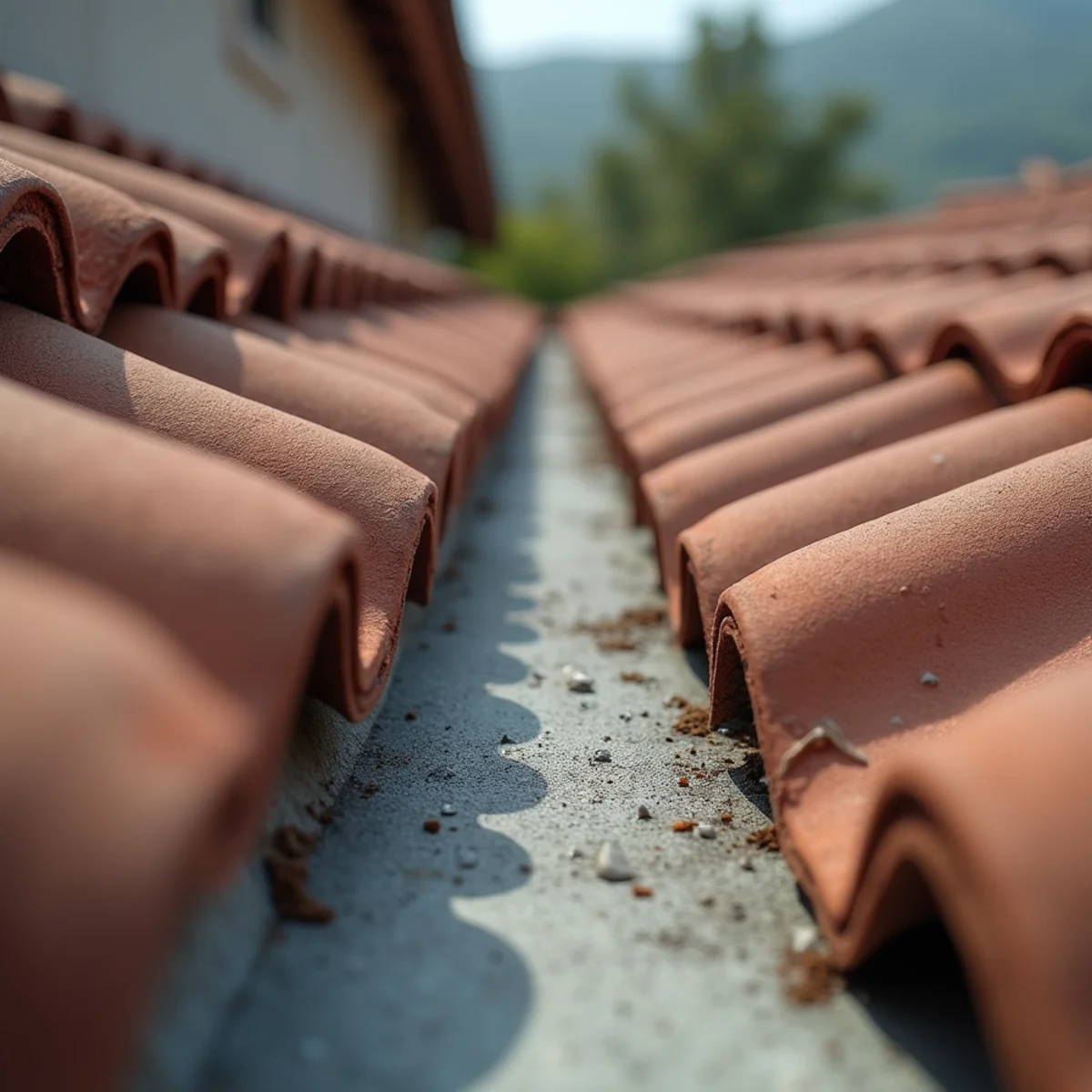
Tile is one of the most durable roof surfaces there is; fired clay and concrete shrug off salt and sun for a long time. But tile is not what keeps a house dry. Beneath it sits the underlayment — a water-resistant membrane that does the real waterproofing — and that layer ages far faster than the tile above it, especially where coastal damp keeps it from drying. On many older tile homes here, the tiles look fine from the street while the underlayment beneath has quietly worn out. Renewing it usually means lifting the sound tiles, replacing the membrane and flashing underneath, and resetting the same tiles so the home keeps its look.
Shingle roofs on the shaded side
Asphalt shingle is the other common roof here, and its main enemy is biological rather than chemical. On north-facing and tree-shaded planes that stay damp, moss and algae take hold, holding moisture against the surface and loosening it over time. Left alone, that growth shortens a shingle roof's life; caught early, it is straightforward to treat. When a shingle roof is due for replacement, algae-resistant shingles over quality underlayment stand up to the damp better than older, basic products did.
Salt and moisture: two different forces on one roof
It helps to separate the two things the marine air brings. Salt corrodes metal — the fasteners (the nails and screws holding everything down) and the flashing (the metal seals at a roof's joints, edges and penetrations). Even the gentler salt load this far back will, over years, loosen standard hardware, which is why corrosion-resistant fasteners and flashing earn their modest premium here. Moisture does not corrode; it lingers. It feeds moss, keeps underlayment and roof decking damp enough to age early, and finds any gap that drainage leaves behind. A roof built for this area answers both — the right metal for the salt, and a design that sheds water quickly for the damp.
Ventilation counts more in a damp corridor
Attic ventilation — the airflow that lets a roof breathe from below — is easy to overlook on older homes. Warm, moist air rises into an attic from the living space, and without a balanced path in and out, it condenses on the underside of the roof deck and keeps it damp. In a corridor that already stays humid, that indoor moisture can age the deck and underlayment from the wrong side. Balanced ventilation — intake vents low at the eaves and exhaust high near the ridge — gives it somewhere to go. Many older homes here were built with less ventilation than today's practice calls for, so it is worth checking whenever a roof is opened up.
Cool roofs, summer sun and California's energy rules
Coastal-adjacent does not mean cool year-round. The Loma Alta area still sees real summer sun, and a dark roof gets hot enough to push heat down into the house. Cool-roof materials — tiles and shingles made to reflect more sunlight than they absorb — cut that heat gain and ease the load on an attic that is already fighting moisture. There is a regulatory side too: California's Title 24 energy code can set reflectivity or insulation requirements on certain re-roofing projects. Whether it applies depends on the specifics of the work, so it is worth confirming for your home before you commit to materials.
More design freedom than the newer planned communities
Unlike Oceanside's master-planned neighborhoods, where an association often dictates roof material and color, the older streets of the Loma Alta area generally carry fewer design restrictions. For most homeowners here, that means more latitude to choose a material and color that suit the home and the coastal-adjacent setting rather than a community rulebook. It is still worth confirming whether any association or overlay applies to your specific property before you plan a change, but across much of this area the decision is genuinely yours to make.
What homeowners in the Loma Alta area commonly encounter
A few issues come up often enough here to be worth naming, so you know what to keep an eye on.
- Underlayment that has aged out beneath tile still looking sound from the street — usually the first thing to need attention on an older tile roof.
- Moss and algae on shaded, north-facing planes, holding damp against shingles and working them loose.
- Fasteners and flashing that were never chosen for salt air and have begun to corrode.
- Slow or clogged gutters and valleys that let water sit where the creek-corridor damp already lingers.
- Worn seams and flashing where an addition meets the original roof.
- A damp or soft patch of roof decking on the shadiest, least-ventilated side of the house.
Drainage counts double on low ground
On low-lying ground near a creek, moving water off and away from the roof matters even more than usual, because the surroundings hold humidity the roof cannot control. Gutters, downspouts and the valleys where two roof planes meet all need to carry water briskly, especially through the winter rains. A gutter that overflows or a valley that pools does not just risk a leak; it keeps a roof surface wet in a place that is already slow to dry. Keeping that drainage clear is one of the simplest, highest-value habits a homeowner here can stay on top of.
A maintenance rhythm that fits the setting
In a damp, salt-touched pocket like this, routine attention beats reaction every time. A yearly look — clearing gutters and valleys, treating moss before it spreads, touching up worn sealant, and checking flashing — keeps small problems small. On tile, an inspection shows where the underlayment stands long before a leak announces it; on shingle, it catches growth and worn flashing early. Two natural moments to look are before the winter rains, to be sure the roof is ready, and after them, to check for anything the season loosened. None of it is dramatic; it is the quiet upkeep that lets a coastal-adjacent roof hold up for the long run.
Choosing between a repair, a re-roof and a full replacement
When something does go wrong, the right answer depends on what is actually failing. A localized leak or a run of corroded flashing is often a straightforward repair. When the underlayment beneath an otherwise sound tile roof has reached the end of its life, the fix is usually to renew that layer and reset the existing tile rather than replace the whole roof. A full replacement makes sense when the surface itself is spent, or when long-term moisture has reached the decking. We will walk you through what we find in plain language, with no surprises, so the choice is an informed one. Projects that involve a tear-off or structural repair generally need a permit — worth confirming with the City of Oceanside before work begins.
Not sure where your roof stands?
Try the Roof Condition Assessment for a quick, general read — it doesn't replace an on-site inspection.
Frequently asked questions
It is coastal-adjacent — an in-between position. Close enough to the water that salt and moisture matter, but far enough that it avoids the constant spray of the harbor. That makes corrosion-resistant components and good moisture management worthwhile, without necessarily going to the extremes a shoreline home would.
Marine moisture follows low ground inland, and a creek corridor channels damp air to homes that feel well back from the beach. Roofs near the creek tend to stay wet longer, especially on shaded planes, which is worth accounting for in both materials and drainage.
Clay or concrete tile and asphalt shingle are both common across the area's older homes. The right choice for a replacement depends on your specific home, its style and your budget.
In this coastal-adjacent setting, yes, they remain worthwhile. The salt load is gentler than at the water's edge, but over years it still works on standard fasteners and flashing, so corrosion-resistant hardware is a sensible, modest upgrade.
It is worth addressing. Moss and algae hold moisture against the surface and, on shingle, can loosen and shorten the roof over time. Treated early it is straightforward; left alone it does slow damage. Damp, shaded planes near the creek are the most prone to it.
They can be. The area still gets real summer sun, so cool-roof materials help with heat, and California's Title 24 energy code may set requirements on certain re-roofing projects. Whether it applies depends on the specifics of the work — worth confirming before choosing materials.
Often less than in Oceanside's newer planned communities. Many of the older established streets here carry fewer design restrictions, giving homeowners more say over material and color. Still, confirm whether any association applies to your specific property before planning a change.
Projects involving a tear-off or structural repair generally require a permit. Requirements can change, so confirm the specifics for your property with the City of Oceanside before work begins.
Relevant services
Nearby Oceanside areas
Loma Alta
Roofing Help in Loma Alta
Tell us what you're seeing and we'll help you take the next sensible step.