Loading…
Oceanside Neighborhoods
Roofing in the Mission Mesa Area, Oceanside
The Mission Mesa area of Oceanside, near Mission Avenue, comprises established residential neighborhoods with a mix of home ages and roofing materials. Its position between coast and inland shapes a balanced roofing approach.

Common property styles
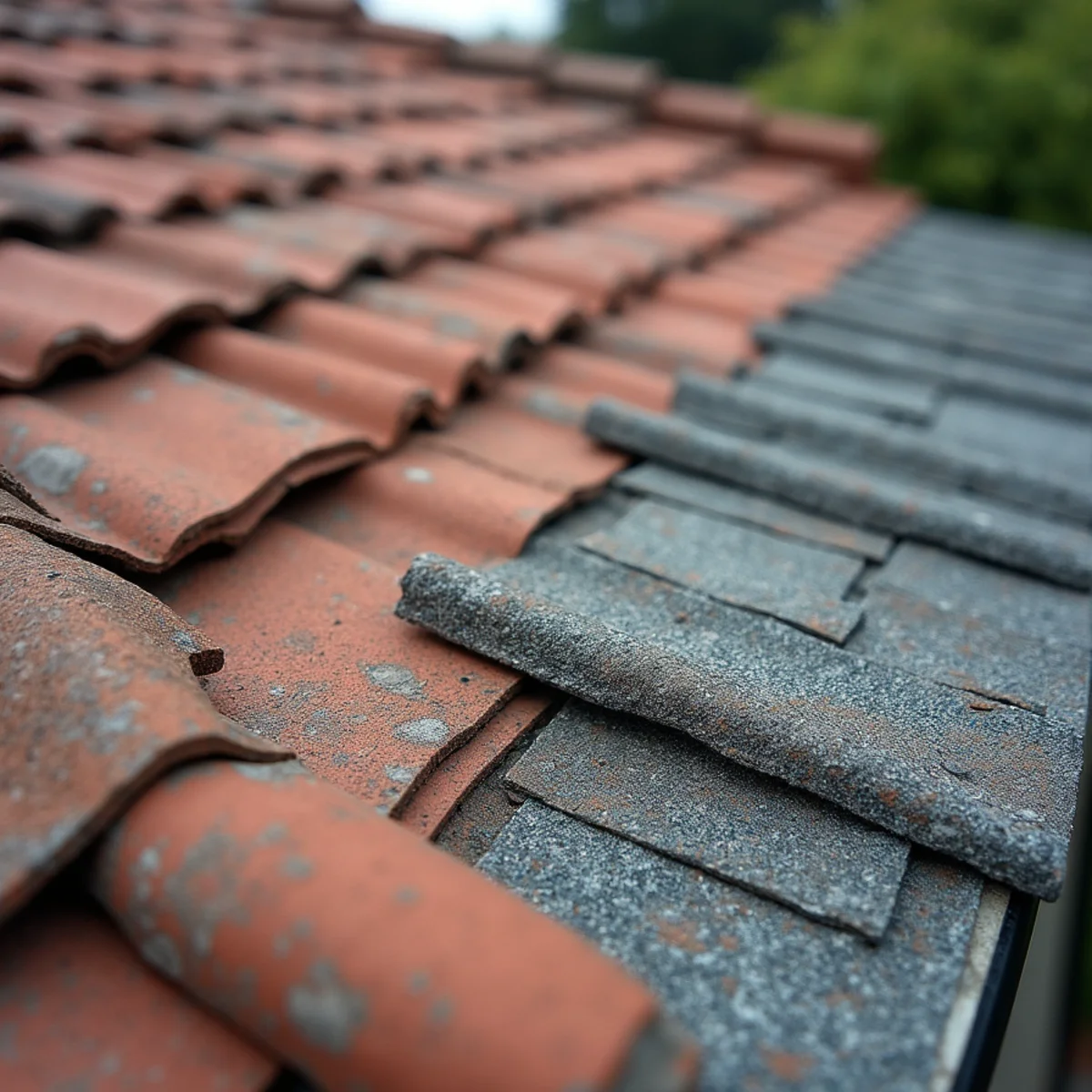
Mission Mesa features established single-family homes with tile and shingle roofs, spanning several decades of construction.
Roofing materials you'll see here
- Concrete and clay tile
- Asphalt shingles
- Cool-roof options
Exposure considerations
Between coastal and inland influences, the Mission Mesa area sees moderate salt and meaningful heat. A balanced approach to materials, ventilation and moisture management suits it.
Maintenance guidance
With a range of home ages, an inspection is the best way to understand your roof's condition and plan any repairs or eventual replacement.
Roofing Considerations Specific to Mission Mesa
Mission Mesa runs along the Mission Avenue corridor in an established, in-between part of Oceanside — not on the shoreline, not far inland — and that middle position quietly shapes nearly every roofing decision here. A roof in this area catches a moderate amount of the salt-bearing air drifting off the coast and a meaningful share of inland heat, with neither one taking over. So the roofs that hold up best tend to be generalists rather than specialists, built to handle a little salt and a lot of sun at once. On top of that, these single-family neighborhoods were built out over several decades, so two homes on the same block can be living entirely different roofing lives.
Why an in-between location changes the math
On the coast, a roof is planned around salt — corrosion-resistant hardware, careful sealing, moisture management first. Well inland, it is planned around heat — ventilation, reflectivity and sun-tolerant materials. Mission Mesa asks for both at a lower intensity, which is harder to get right than either extreme, because it is easy to over-index on one and quietly neglect the other.
A roof here should not simply copy a beach playbook or an inland one. It should carry corrosion-resistant details for the salt it does get and heat management for the sun it definitely gets. When we walk you through options for a home in this area, that balance is usually the first thing we map out.
Tile and shingle, side by side
One thing stands out across Mission Mesa: how often tile and shingle roofs sit within view of each other. Both are common here, and each ages in its own way under this blend of salt and heat, so the right care depends on which one is over your head.
Tile roofs and the layer you cannot see
Concrete and clay tile last a long time, and in this climate the tile itself usually is not the problem. What ages first is the underlayment — the water-resistant layer between the tile and the wood deck that does the real job of keeping water out. Heat working down through the tile slowly dries and stiffens that layer, and once it turns brittle a roof can let water past while the tile above still looks sound. On an older tile roof here, the honest question is not how the tile looks; it is how the underlayment beneath it is holding up.
Shingle roofs and the sun
Asphalt shingle takes the heat more directly. Day-to-night temperature swings make shingles expand and contract, and steady sun wears away the protective granules on the surface — the sandy layer that shields the asphalt from UV. As those granules thin, shingles grow brittle and their edges can curl or lift. Shaded, north-facing shingle slopes have the opposite problem: they dry slowly and can hold enough moisture to grow moss. Reflective, cool-roof-rated shingles are one way owners here ease the heat side of that equation.
Ventilation: the quiet workhorse in a warm zone
Because Mission Mesa leans warm, attic ventilation earns its keep. A well-vented roof pairs intake vents low at the eaves, which draw cooler air in, with exhaust vents high near the ridge, which let hot air out. That flow keeps heat from stacking up under the roof deck, where it would otherwise cook the underlayment from below no matter what is on top.
Older homes here were often built with less attic airflow than this climate really wants, so on a house that has been through a few decades it is worth confirming the intake and exhaust are actually balanced rather than assuming they are. Better airflow also makes the house more comfortable in summer — a welcome bonus from a detail no one sees.
Cool roofs and California's energy standards
Given the heat, reflective cool-roof materials — surfaces made to bounce more sunlight away instead of soaking it in — are genuinely useful here, not just a talking point. They ease the load on an attic and help a roof run cooler through a long, sunny stretch.
There is a code angle too. For many re-roofing projects, California's Title 24 energy standards can call for cool-roof-rated materials or an equivalent, depending on the roof and the scope of work. The specifics change over time and vary by project, so it is worth confirming what currently applies before settling on materials or color rather than assuming.
The marine layer and morning moisture
The coastal side of Mission Mesa shows up mostly as the marine layer — the low bank of cloud and fog that drifts inland many mornings and burns off by midday. It does not drench a roof, but it leaves shaded planes damp longer than sun-facing ones. Those slower-drying, north-facing slopes are where moss takes hold and where trapped moisture can age materials a little faster.
The fixes are ordinary: keep valleys and gutters clear so water drains instead of lingering, trim branches that keep a slope from drying, and treat moss early before it lifts material or holds water against the roof. On a healthy roof it is routine upkeep, well suited to a place that catches a bit of coastal damp.
Salt you do not see, on the parts that matter
The moderate salt that reaches Mission Mesa is easy to dismiss because there is no visible spray, but it still works slowly on the small metal parts of a roof. Fasteners — the nails and screws holding everything down — and flashing — the metal that seals the joints where the roof meets a wall, chimney or vent — are where that corrosion shows up first.
That is why corrosion-resistant fasteners and flashing are worth choosing even a few miles from the water. The cost difference is modest, and the payoff is a roof whose weak points do not quietly rust years before the rest of it is ready to retire. On an older home, having the existing flashing checked makes sense, since it may predate today's corrosion-resistant materials.
Where a Mission Mesa roof tends to leak first
When a roof here does let water in, it is rarely through the open field of tile or shingle. It is almost always at a transition or a penetration — a valley where two slopes meet, the flashing around a chimney or skylight, a boot around a plumbing vent, or the seam where a patio cover or room addition ties into the main roof. These spots take the most movement and weathering.
Knowing that helps you look in the right places. A ceiling stain in Mission Mesa usually traces back to one of these details rather than the roofing surface failing wholesale, which often means a targeted repair instead of something larger.
Repair, or start planning a replacement?
With homes spanning several decades, this is the question that comes up most, and there is no neighborhood-wide answer — it depends on where your roof sits in its life. A rough rule: isolated trouble on an otherwise sound roof usually points to a repair, while problems that keep reappearing in new spots often mean the underlayment or shingle field is nearing the end, and repeated patching starts to cost more than it saves.
Age matters too. A roof a decade or two along that springs a single flashing leak is a different situation from an original roof that has seen several decades of sun and is worn in more than one place. Either way, the most useful first step is an inspection, which tells you where things actually stand — underlayment, flashing and ventilation — so you can decide on your own timeline instead of reacting to a surprise. We will walk you through what we find in plain terms, with no surprises.
Planning a re-roof in Mission Mesa
When larger work is on the horizon, a little planning keeps a Mission Mesa project smooth. A few things are worth lining up:
- Balance both exposures — corrosion-resistant fasteners and flashing for the salt this area gets, plus ventilation and, where it fits, cool-roof-rated materials for the heat.
- On any older tile roof, have the underlayment assessed rather than judging the roof by the tile, which can look fine over a worn layer beneath.
- Check that attic intake and exhaust are balanced, especially on a home built in an earlier decade.
- Confirm whether California's Title 24 energy standards affect your material choices for the work you are planning.
- Verify any design rules for your specific home; established areas like Mission Mesa usually are not held to the strict community standards found in Oceanside's newer planned tracts, but it is worth checking.
- For a full tear-off replacement, expect a permit to be required — confirm the current requirements with the City of Oceanside before work begins.
Not sure where your roof stands?
Try the Roof Condition Assessment for a quick, general read — it doesn't replace an on-site inspection.
Frequently asked questions
Both are common across the area and both can work here — the better fit depends on your home's structure, the look you want and your budget. Tile is durable and suits the area's established styles, while shingle costs less up front and installs quickly; cool-roof-rated versions of either help with the heat. We will walk you through the trade-offs for your specific roof.
It is worth it. Mission Mesa still catches moderate salt-bearing air, and over years that slowly corrodes standard fasteners and flashing. Corrosion-resistant hardware costs a little more and helps the roof's small metal parts last about as long as the rest of it.
Shaded, north-facing planes dry slowly, and Mission Mesa's morning marine layer leaves them damp longer. That lingering moisture lets moss establish. Keeping the slope clear of debris, trimming overhanging branches and treating moss early usually keeps it in check.
It can. Because the area runs warm, reflective cool-roof materials are genuinely useful, and for many re-roofing projects California's Title 24 energy standards may call for them or an equivalent. Requirements depend on the project and change over time, so confirm what currently applies before choosing materials.
Yes. On tile roofs the underlayment beneath usually wears out first, well before the tile shows it. Heat gradually stiffens that hidden layer, so a sound-looking tile roof can still be near the point where it needs attention. An inspection is the way to know.
Isolated problems on an otherwise healthy roof usually call for a repair, while issues that keep returning in new spots often mean the roof is nearing the end and patching no longer pays. Age and the condition of the underlayment matter too. An inspection gives you the facts to decide on your own timeline.
A full tear-off replacement typically requires a permit, and there may be energy-code documentation involved. Requirements can change, so confirm the current rules with the City of Oceanside before work begins — we can help you understand what a given project involves.
Relevant services
Nearby Oceanside areas
Mission Mesa
Roofing Help in Mission Mesa
Tell us what you're seeing and we'll help you take the next sensible step.