Loading…
Roofing in Bonsall, CA
Roofing Services in Bonsall, CA
Bonsall's semi-rural setting and custom homes call for roofing that handles inland heat and wind. Wednora Roofers brings tailored recommendations to this North County community.
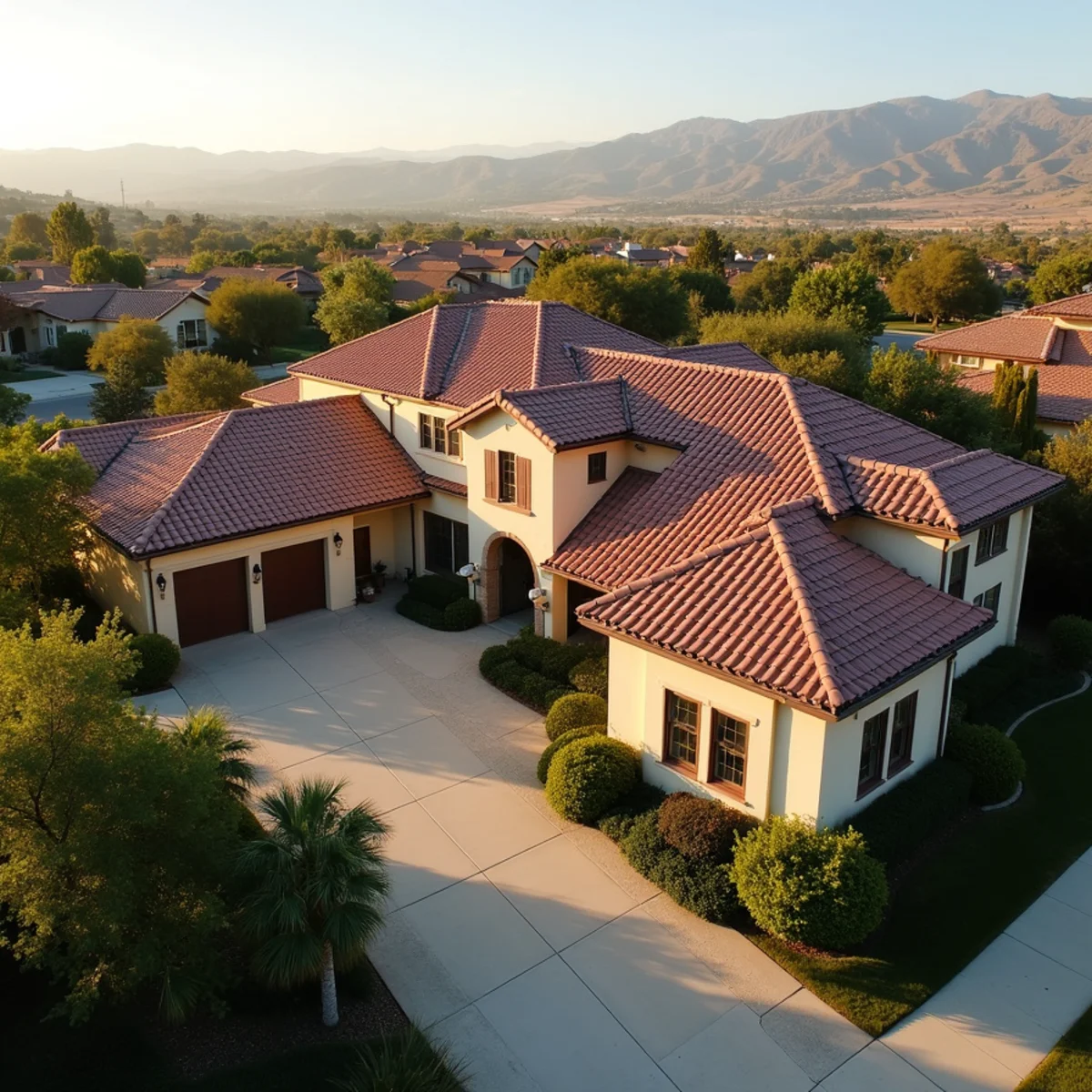
Bonsall property & roofing context
Bonsall is known for custom and estate homes on large lots, often with tile roofs and complex rooflines. Outbuildings and flat sections add variety to the roofing mix.
Climate & exposure considerations
Inland and warm, Bonsall sees strong sun and wind with limited salt influence. Ventilation, cool-roof options and fire-aware materials are the main considerations.
Roofing in Bonsall: What Local Homeowners Should Know
Bonsall sits inland in the San Luis Rey River valley, a semi-rural stretch of North County where the lots are large, the homes are often custom-built, and horse property is part of the everyday landscape. That setting changes every roofing decision in ways a coastal checklist never anticipates. The ocean's salt barely reaches this far, so the corrosion worries that dominate beach-town roofing fade into the background. What replaces them is a drier, hotter, more exposed set of conditions: long stretches of full summer sun, seasonal wind that gathers speed across open ground and low valley floor, and the wildfire seasons that put the roof squarely in the planning. Add the elaborate rooflines that come with custom estate homes, and a Bonsall roof asks a different set of questions than one a few miles closer to the water.
There is one more thing that sets roofing here apart, and it is easy to miss from the driveway: on most Bonsall properties, the roof is not a single roof at all. A working ranch or estate parcel usually carries the main house plus a barn, a garage or shop, perhaps a guest house, and a run of stables or storage, each with its own covering, its own age, and its own quirks. Sound roofing in Bonsall starts by treating the property as a small collection of roofs rather than one, and by knowing how the inland climate works on each of them.
Estate homes, ranch parcels, and a mix of materials
Bonsall's housing leans toward custom and semi-custom homes on acreage, with a strong share of equestrian and ranch properties threaded along the valley. That character shows up on the roof. Spanish and Mediterranean-influenced homes tend to wear tile; barns and contemporary designs favor metal; ranch houses and guest quarters often run shingle. A single home may combine more than one of these, and a single parcel may carry all of them at once. A roofing plan that fits Bonsall respects that variety rather than assuming one material and one approach across the whole property.
One property, several roofs
On an equestrian or estate parcel, the house is only part of the story. Barns, stables, covered arenas, tack rooms, hay storage, garages and workshops all have roofs, and a leak over stored feed, tack or equipment is its own kind of expensive problem. These structures usually carry different roofing than the residence: metal panels over a barn or arena for their long, low-maintenance runs, or plain shingle and low-slope sections over outbuildings. Low-slope simply means a roof too shallow to shed water the way a steep pitch does, so it leans on a continuous membrane and good drainage instead of overlapping pieces. Each covering ages on its own schedule and asks for slightly different upkeep, which is why it helps to keep the whole property on one inspection rhythm rather than waiting until a roof announces itself.
Inland heat, ventilation, and cool roofs
Without the marine layer to cool things down, Bonsall summers run hot and dry, and a dark roof under that sun can soak up a surprising amount of heat. Two things ease it. The first is attic ventilation: a balanced set of intake vents low at the eaves and exhaust vents high at the ridge lets hot air escape instead of pushing down into the living space and working the roof's own materials from below. The second is a cool roof, meaning a surface finished to reflect more sunlight and release heat rather than absorb it. Cool-roof performance is also written into California's Title 24 energy standards, which set requirements for many new and replacement roofs. Those standards are revised on a cycle, so we confirm the edition in force for your project and how it applies rather than assuming an older version.
Wind and the elaborate rooflines of custom homes
Wind is the steady background pressure here. The open lots and low valley floor give it room to build, and seasonal Santa Ana events can lift shingles, work tiles loose and drive branches and debris across a roof. Wind damage is easy to miss, since a compromised roof can still look fine from the ground, so a look after a strong blow is sensible even when nothing is leaking. Custom homes raise the stakes: their roofs tend toward multiple gables, hips, dormers and long valleys, and every one of those junctions is a place where flashing, the metal that seals a seam or a wall joint, has to do its job. The more articulated the roofline, the more these small details decide how the whole roof holds up, and the more slowly a good inspection has to move.
The rain comes all at once
Bonsall does not get much rain, but what it gets tends to arrive in a handful of concentrated winter storms rather than spread across the year. That pattern is harder on a roof than a gentle drizzle would be. A valley, the channel where two slopes meet, has to carry a heavy, fast volume of water in those storms, and any weak flashing, clogged gutter or shallow low spot shows itself quickly. On the complex rooflines common here, there are simply more of these collection points to keep clear and sound. Checking drainage before the wet season, rather than during the first big storm, is one of the more useful habits a Bonsall owner can build.
Roofing with wildfire in mind
Like much of inland San Diego County, Bonsall sits in country where wildfire belongs in the planning, and the roof is a sensible place to start given how much of it is exposed to drifting embers. Non-combustible coverings, meaning materials that do not readily catch or feed fire, are worth serious consideration, and here they line up neatly with what already suits the heat. Roofers and building officials describe the strongest option as a Class A rated assembly, the highest standard fire class for a roof covering.
- Tile and metal are non-combustible coverings that also stand up well to the valley's heat and sun.
- Keeping valleys, gutters and low spots clear of dry leaves and needles removes fuel that would otherwise sit on the roof.
- On a property with barns and outbuildings, the same fire-aware thinking applies to those roofs, not just the main house.
Common roofing materials in Bonsall, and how each holds up
No single material is right for every Bonsall home, but a few categories cover most of what works well here. The best fit depends on the structure, the architecture, and how much heat, wind and fire exposure the roof actually sees.
- Clay and concrete tile: a natural match for the Spanish and Mediterranean styles common on estate homes, non-combustible, and comfortable in inland heat. Tile is heavy, so the structure has to carry the load.
- Metal, including standing-seam and corrugated panels: long, low-maintenance runs that shed water and resist fire, which is why they show up so often on barns, arenas and modern homes.
- Asphalt shingle, including cool-roof-rated versions: a practical, widely used covering for houses and outbuildings, with reflective options that help with inland heat and Title 24.
- Low-slope membranes: for the flatter sections tucked behind a pitched roofline or over porches and additions, where a continuous surface and good drainage matter more than pitch.
Tile roofs: the part you cannot see wears out first
Tile deserves its own note because so many Bonsall homes have it, and because it fools people. A tile roof is really two roofs in one. The clay or concrete tile you see is a durable shell that sheds most of the rain and takes the sun on your behalf, and it can look nearly new long after it has stopped doing the whole job. Beneath the tile sits the underlayment, a water-resistant layer over the wood decking, and that hidden layer is what actually keeps water out of the house. It is also the part that wears out first. So a tile roof can look flawless from the drive while the underlayment beneath it has grown brittle and begun to let water through. The good news is that sound tile can often be lifted, set aside, and relaid over fresh underlayment, so you keep the roof's look and only replace the layer that failed.
Repair or replace? How to think it through
Not every problem calls for a new roof, and not every old roof is worth patching again. The honest answer usually comes from a few questions: how old is the covering, how widespread is the wear, and is the trouble in the surface or in the underlayment and flashing beneath it. A single wind-lifted section, a cracked tile or a failed piece of flashing is often a straightforward repair. Widespread brittleness, repeated leaks in different spots, or underlayment that has reached the end of its service life point toward replacement, because patching around a worn-out layer tends to move the leak rather than end it. On a property with several roofs of different ages, these calls are made structure by structure, and we will walk you through what we find in plain terms so the decision stays yours.
When it pays to combine roofing work
A roof replacement opens up access that is awkward and costly to arrange on its own, so it is often the right moment to fold in related work. If solar is on the horizon, building the roof to be solar-ready first avoids paying later to pull panels off and reset them. A reroof is also the natural time to correct thin attic ventilation, replace aging skylights while the surrounding area is open, and renew gutters and flashing so the whole system is the same age. Bundling this way usually costs less and leaves fewer seams than handling each piece years apart, and it spares you a second round of setup on a large, spread-out property.
Permits and local rules in unincorporated Bonsall
Bonsall is an unincorporated community, which means roofing permits and inspections run through the County of San Diego rather than a city building department. As a general rule, a replacement that involves tearing off the old roofing needs a permit, while a minor repair usually does not, and cool-roof and ventilation requirements can come into play on larger work under the current energy code. Because the specifics and the code edition change over time, we confirm current requirements with the county building department before a project starts, and we handle that step so there are no surprises partway through.
Keeping a Bonsall roof, and its outbuildings, healthy
With several roofs and often several materials to track, the most useful habit in Bonsall is a regular, documented inspection of the whole property, house and outbuildings together, plus a look after major wind events and before the winter storms. That catches small issues while they are still small, keeps a slow leak from finding the hay or a custom great room, and gives you a clear picture to plan around. When a larger project does come up, we will weigh repair against replacement honestly, lay out options that fit each structure, and stand behind the recommendation we give, with no pressure toward the biggest job.
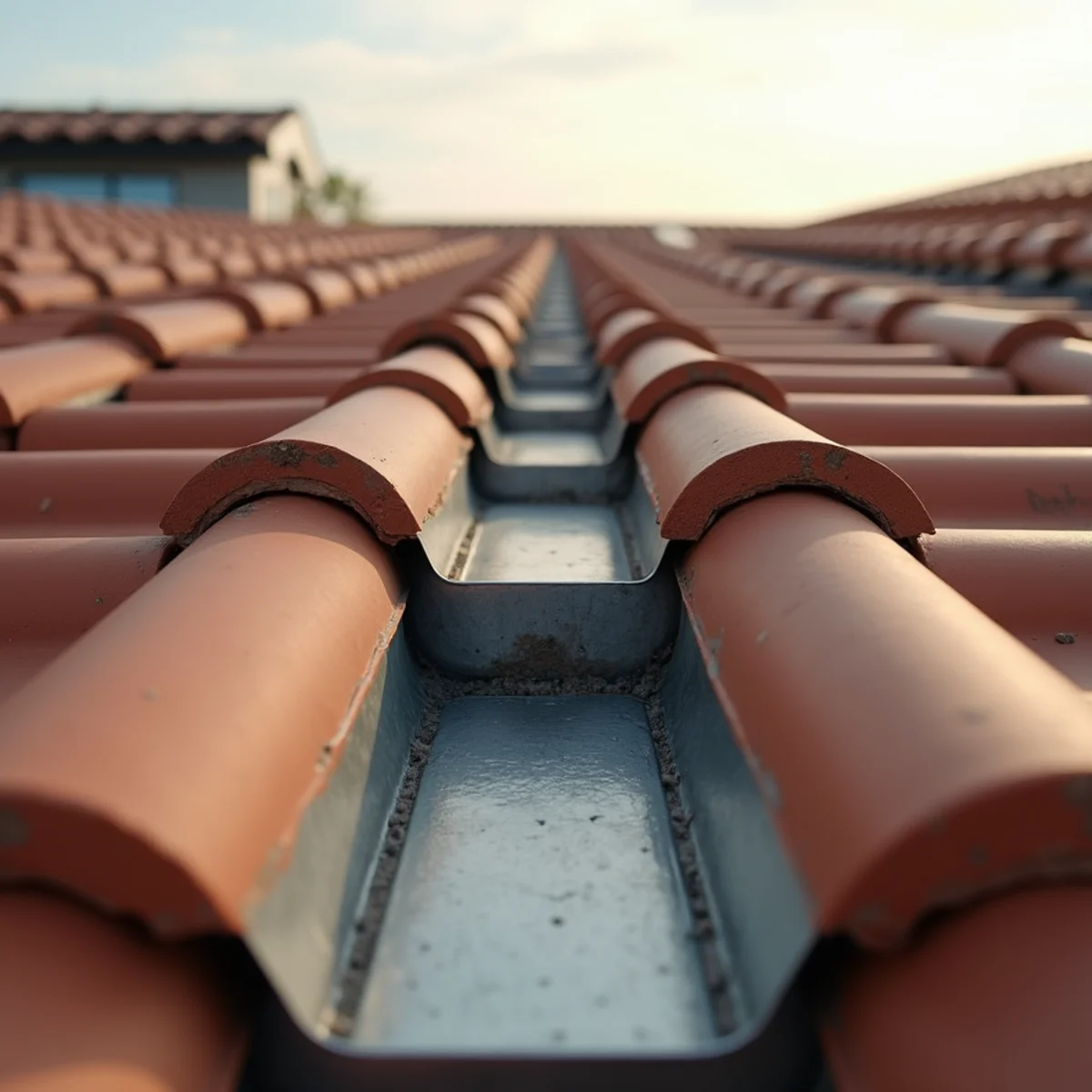
Common roofing materials in Bonsall
- Clay and concrete tile
- Metal roofing
- Cool-roof shingles
Repair or replacement?
Whether a repair or replacement makes sense depends on your roof's condition — not a rule of thumb. Try the Roof Condition Assessment or read our repair vs. replacement guide.
Permits & compliance
Roof replacements involving tear-off generally require a permit in California cities, and new roofs often must meet Title 24 cool-roof requirements. See our roofing permits guide for how the process works, and confirm current requirements with your local building department.
Bonsall roofing FAQs
Yes. Barns, stables, arenas, tack rooms, hay storage and workshops all have roofs, and a leak over feed, tack or equipment can be costly. Those structures often carry different materials than the house and age on their own schedules, so it helps to keep the whole property on one inspection rhythm rather than watching only the residence.
Very little. Bonsall is inland in the San Luis Rey River valley, so the coastal salt that drives beach-town roofing barely reaches this far. The bigger local factors are inland heat, seasonal wind and wildfire exposure, which is where material and detailing choices should focus here.
Clay and concrete tile and metal both handle strong inland sun well and are non-combustible, which suits the area's fire exposure. Cool-roof-rated shingle is another option. Whatever the covering, good attic ventilation matters here, because a roof that cannot shed heat pushes it into the house and works its own materials harder.
Cool-roof performance is written into California's Title 24 energy standards for many new and replacement roofs, and it can apply here. The standards are revised on a cycle, so rather than assume, we confirm the edition in force for your project and how it applies before recommending a product.
Because the roof is a large surface exposed to drifting embers, non-combustible coverings such as tile and metal are worth strong consideration, and a Class A rated assembly gives the highest standard fire performance. Keeping valleys, gutters and low spots clear of dry leaves and needles is part of sensible fire-aware upkeep, on outbuildings as well as the house.
It can. A tile roof is really two layers: the clay or concrete tile you see, and the water-resistant underlayment beneath it that actually keeps water out. The underlayment wears out first, so a roof that looks flawless may quietly be due for attention. Often the sound tile can be lifted and relaid over fresh underlayment, keeping the look while replacing the layer that failed.
Bonsall is unincorporated, so permits run through the County of San Diego rather than a city. As a general rule a full tear-off replacement needs a permit while a minor repair usually does not, and energy-code requirements can apply to larger work. Because specifics change, confirm current requirements with the county building department before work begins; we handle that step for you.
An annual inspection is a sensible baseline, plus a look after major wind events and before the winter storms, when most of the year's rain arrives at once. On a property with several roofs, inspect them together and keep photos, so small issues are caught early and you have a clear picture to plan around.
Services
Roofing Services Available in Bonsall
Roof Repair
Targeted fixes for leaks, damaged shingles, broken tiles and failing flashing.
Learn moreRoof Replacement
Full-roof replacement with tear-off, deck inspection and coastal-ready installation.
Learn moreEmergency Roof Repair
Temporary protection and leak mitigation after storms, wind and sudden leaks.
Learn moreRoof Inspection
A documented look at your roof's condition, drainage, flashing and ventilation.
Learn moreRoof Maintenance
Proactive upkeep that catches small issues before they become expensive leaks.
Learn moreResidential Roofing
Repair, replacement, installation and maintenance for Oceanside homes.
Learn moreCommercial Roofing
Flat and low-slope systems, coatings and maintenance for Oceanside businesses.
Learn moreBonsall roofing
Get a Roof Estimate in Bonsall
Tell us what you're seeing and we'll help you take the next sensible step.