Loading…
Roofing in Fallbrook, CA
Roofing Services in Fallbrook, CA
Fallbrook's rural, hillside character and warmer inland climate shape its roofing needs. Wednora Roofers focuses on heat, wind and the larger lots and varied structures common here.
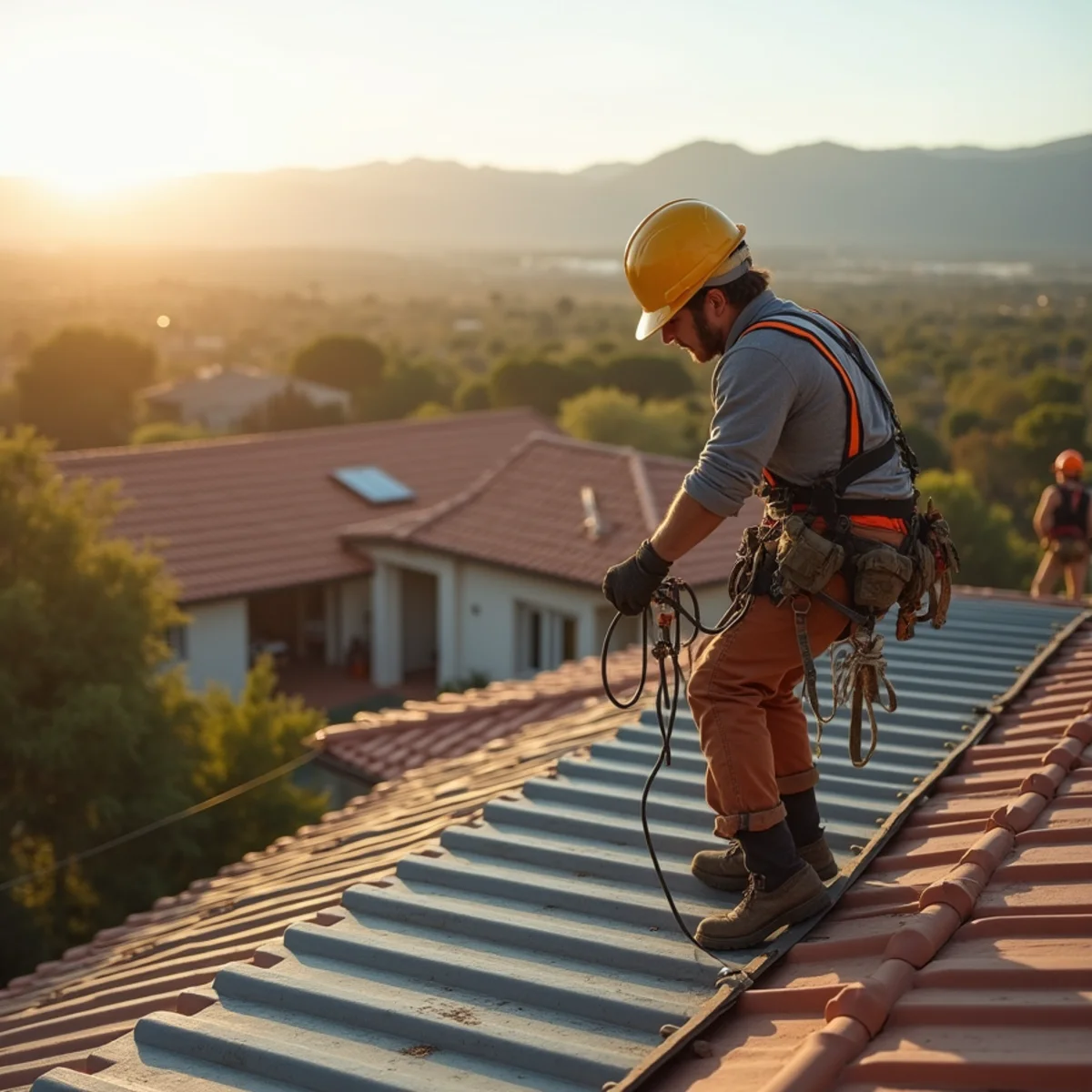
Fallbrook property & roofing context
Fallbrook features ranch properties, custom homes and agricultural structures on larger lots, with tile and shingle both common. Wildfire-aware, non-combustible materials are a consideration in this inland environment.
Climate & exposure considerations
Fallbrook is warm and inland, with strong sun and meaningful wind exposure. Salt is a minor factor; heat management, ventilation and fire-resistant materials matter more.
Roofing in Fallbrook: What Local Homeowners Should Know
Roofing in Fallbrook starts with the land. This is grove country — avocado and citrus rows climbing the hillsides, homes set well back on larger lots, and the working barns and sheds that come with acreage. That semi-rural, inland setting quietly rewrites the roofing rulebook. The salt air that drives so many decisions along the coast barely reaches this far; instead, a Fallbrook roof answers to long hours of dry sun, seasonal winds that gather over open ground, and the plain fact that this is wildfire country. Understanding those three pressures — heat, wind and fire — is most of what separates a roof that truly suits Fallbrook from one that merely covers the house. Below, we walk through the homes and materials common here, how inland exposure shapes the choices, and the practical calls around repair, replacement, permits and upkeep.
The homes and roofs you find across Fallbrook
Drive the back roads and the housing stock is anything but uniform. Fallbrook runs from single-story ranch homes and older farmhouses to sprawling custom and estate builds, many on parcels large enough to carry a grove, a corral or a workshop. That mix shows up on the rooflines. Concrete and clay tile is common, prized for the way it suits ranch and Spanish-influenced designs and shrugs off the sun. Architectural asphalt shingle — the heavier, layered cousin of the old three-tab — turns up on many homes for its balance of cost and looks. Standing-seam and other metal panels cover plenty of barns, additions and modern houses, while low-slope or flat sections appear over porches, patios and outbuildings. A roofing plan here often has to speak more than one of those languages at once.
Why inland exposure, not the coast, sets the rules
It is worth being blunt about this, because a lot of roofing advice written for San Diego's beach towns does not travel inland. Without the marine layer to keep things cool and damp, Fallbrook roofs run hot and dry. Strong, steady sun works on shingle binders, bakes sealants and slowly fades exposed finishes, while the daily heat-then-cool swing expands and contracts materials all year. Salt corrosion — the quiet enemy of coastal roofs — is a minor concern this far from the water. What matters instead is how well a roof handles heat, sheds wind and stands up to fire. Get those right and you have specified for Fallbrook; borrow a coastal spec and you have solved the wrong problem.
Ventilation and cool roofs for inland heat
Because heat is the headline, what happens under the roof deck matters as much as what sits on top. Good attic ventilation lets a roof shed the warmth it collects instead of driving it down into the living space and cooking its own materials from below, and inland homes feel that difference more than coastal ones. Cool-roof surfaces — finishes that reflect more sunlight than a standard dark roof — are worth asking about here, both for comfort and because California's Title 24 energy standards call for cool-roof performance on many new roofs. Those standards move on a cycle and the particulars depend on your project, so we confirm the current edition and how it applies rather than assume a version.
Wildfire-aware roofing: what a fire-rated roof actually means
Fallbrook sits in wildfire country, and much of the inland backcountry is mapped by the state into designated fire hazard areas. The roof is the largest, most exposed surface on the house and one of the first places wind-blown embers land, so it is a sensible place to start. Two ideas do most of the work. The first is a non-combustible covering — a material that does not readily catch or feed fire; tile and metal both qualify, and both happen to suit the heat. The second is the 'Class A' rating, the highest fire class for a roof, which describes how the whole assembly — covering, underlayment and deck together — resists fire coming from outside. California's building code also carries wildfire-focused construction requirements, often referred to as Chapter 7A, for homes in these areas. Exactly which of them apply to your parcel depends on how it is classified, which the county and your local fire authority can confirm.
- The covering: tile and metal are non-combustible options, while a Class A rated assembly gives the strongest rated fire performance.
- The openings: ember-resistant vents and well-sealed eaves help keep embers from finding a way into the attic.
- The debris: dry leaves and needles shed from surrounding groves and trees are fuel that sits right on the roof and in the gutters, so keeping valleys and low spots clear is genuine fire-hardening, not just tidiness.
Wind, Santa Anas and grove debris
Wind is the other inland constant. Fallbrook's hills and open lots give it room to build, and seasonal Santa Ana events push hard against anything not fastened down — lifting shingle tabs, working tiles loose and skating branches and grove litter across the surface. Wind damage is easy to miss, because a roof can be quietly compromised and still look perfectly fine from the driveway, so a look after a strong blow is worth it even when nothing is leaking. The defense is mostly in the install details: high-wind-rated materials, proper fastening, and edges, ridges and eaves secured the way the exposure calls for. Those details are the difference between a roof that rides out a Santa Ana and one that starts shedding pieces of itself.
Tile roofs and the layer you cannot see
A tile roof is really two roofs stacked together, and understanding that saves Fallbrook owners a lot of grief. The clay or concrete tile you see is a tough shell that sheds most of the rain and takes the sun on your behalf; it often looks nearly new long after it has stopped doing the whole job. Underneath sits the underlayment, a water-resistant layer over the wood deck, and that hidden layer is what actually keeps water out of the house — and it is the part that wears out first. That is the counterintuitive bit: the tile can look flawless from the driveway while the underlayment beneath has grown brittle and begun to let water through. The upside is that sound tile can often be lifted, set aside, relaid over fresh underlayment and reused, so you renew the part that failed and keep the roof's look.
Metal and shingle for grove-country homes
Tile is not the only sensible answer here. Standing-seam and other metal panels are a natural fit for barns, arenas, additions and clean-lined modern homes: they run long and low-maintenance, count as a non-combustible covering, and take the inland heat in stride. On the shingle side, today's architectural asphalt shingles come in fire-rated and cool-roof versions that pair a familiar look with performance suited to Fallbrook's sun. Low-slope and flat sections — over a porch, a breezeway or a workshop — are their own small category, sealed with membranes rather than shingles or tile, and they call for their own detailing. Which material earns its place comes down to the structure, the look you want and the exposure it faces, and it is rarely a single answer across a whole property.
Barns, well houses and the other roofs on the property
Grove and ranch parcels rarely have just one roof. Alongside the main house there are often barns, detached garages, workshops, pump and well houses and equipment sheds, and those outbuildings tend to get ignored until something is obviously wrong. Many wear simpler or lower-slope roofs — a run of metal, an aging shingle, a patch of flat — and a small failure over stored feed, a tractor or tools still costs real money. The practical move is to fold the outbuildings into the same inspection rhythm as the house rather than waiting for a leak to find the equipment. On a fire-aware property, the same hardening thinking applies to those roofs too; embers do not care which building they land on.
Repair or replace: how to weigh it
Not every problem calls for a new roof, and not every old roof is worth patching. The honest answer usually turns on a few questions: how old the roof is, how widespread the trouble is, and — on tile — what shape the underlayment is in. A handful of cracked tiles, a length of failed flashing or a localized leak is often a straightforward repair. When wear is spread across the whole roof, when the underlayment beneath tile has reached the end of its service, or when repairs are starting to chase each other around the roof, a replacement usually costs less over time than repeated fixes. We will lay out what we actually find, in plain terms, and weigh repair against replacement honestly instead of steering you toward the bigger job.
When it pays to combine roofing with other work
Some jobs are cheaper and cleaner when they happen together, and a reroof is a natural moment to bundle. If solar is anywhere in your plans, building the roof to be solar-ready during a replacement avoids paying to pull panels off and reset them a few years later. A reroof is also the right time to improve attic ventilation, since the roof is already open, and — on a fire-hardening project — to swap in ember-resistant vents and tighten up eave and edge details while the crew is up there. On a property with several structures, coordinating the house and an aging outbuilding in one pass can save on setup and avoid mismatched roofs. Tell us early what else you are weighing, and we will sequence it so the work stacks instead of colliding.
Permits and inspections in unincorporated Fallbrook
Fallbrook is an unincorporated community, which means its building permits and inspections run through the county rather than a city hall of its own. As a general rule, a roof replacement that involves tearing off the old covering needs a permit, while minor repairs usually do not — but the specifics, including any wildfire-related construction requirements for your parcel, are set by current code and can change. The dependable path is to confirm what your project needs with San Diego County's building department (and, for fire-hardening details, your local fire authority) before work begins, and we will help you understand what applies. Doing it by the book also protects you later, since undocumented roof work can complicate a future sale or an insurance claim.
A sensible rhythm for a Fallbrook roof
For most owners here, the winning approach is simple and unglamorous: match the roof to the property's real exposure — heat, wind and fire first, salt a distant afterthought — and then keep an eye on it. An annual inspection, plus a look after major wind events, catches small problems while they are still small and cheap to fix, and a few photos each time build a record you can plan around. Whether your roof needs a minor repair, an underlayment renewal or a full replacement, we will walk you through what we find in plain language, lay out options that fit the property rather than the invoice, and give you an honest recommendation with no surprises.
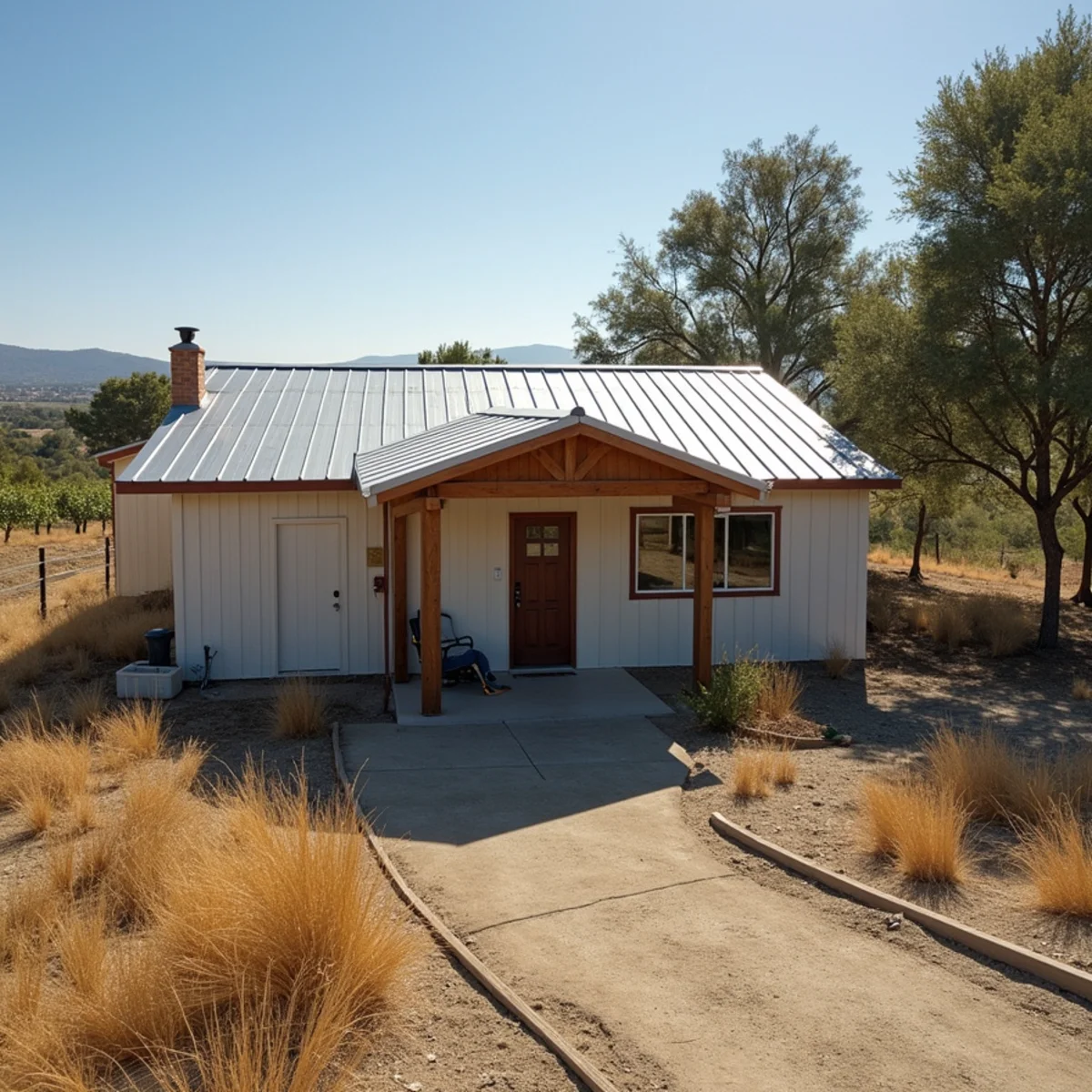
Common roofing materials in Fallbrook
- Concrete and clay tile
- Metal roofing
- Cool-roof shingles
- Flat sections on outbuildings
Repair or replacement?
Whether a repair or replacement makes sense depends on your roof's condition — not a rule of thumb. Try the Roof Condition Assessment or read our repair vs. replacement guide.
Permits & compliance
Roof replacements involving tear-off generally require a permit in California cities, and new roofs often must meet Title 24 cool-roof requirements. See our roofing permits guide for how the process works, and confirm current requirements with your local building department.
Fallbrook roofing FAQs
Much of Fallbrook and the surrounding inland backcountry falls within areas the state maps for wildfire hazard, and the roof is one of the most exposed surfaces on the house. In these areas, non-combustible coverings like tile and metal and a Class A rated assembly are worth serious consideration, along with details like ember-resistant vents. Whether specific wildfire construction requirements apply to your parcel depends on how it is classified, so confirm that with San Diego County and your local fire authority.
Inland, the priorities are heat, wind and fire rather than salt. Concrete and clay tile and metal both take the sun well and are non-combustible, and fire-rated, cool-roof architectural shingle is another practical option. The right choice depends on the structure, the look you want and the exposure it faces, and it is often more than one material across a property with a house plus outbuildings.
Fallbrook is unincorporated, so permits and inspections run through San Diego County rather than a city. As a general rule a replacement that involves tearing off the old covering requires a permit, while minor repairs usually do not. Requirements, including any wildfire-related construction rules for your parcel, are set by current code and can change, so confirm what your project needs with the county building department before work starts.
California's Title 24 energy standards call for cool-roof performance on many new roofs, and inland heat makes reflective surfaces useful for comfort regardless. Those standards update on a cycle and the details depend on your project, so we confirm the current edition and how it applies rather than assume a version.
Fallbrook's hills and open lots let wind build, and seasonal Santa Ana events can lift shingle tabs, loosen tiles and drive branches and grove debris across the roof. Wind damage often is not visible from the ground, so a roof can be compromised and still look fine. High-wind-rated materials and proper fastening help, and it is sensible to have the roof looked at after a strong wind event even without a leak.
Possibly. A tile roof is two layers: the tile shell you see and the water-resistant underlayment beneath it, and the underlayment wears out first. Tile can look flawless while the layer underneath has gone brittle and started to leak. That is why periodic inspection matters, and the good news is that sound tile can often be lifted and relaid over fresh underlayment, so you renew only the part that failed.
Yes. Grove and ranch properties usually have more than one roof — barns, workshops, garages, pump and well houses and equipment sheds — often with simpler or lower-slope coverings than the house. It helps to keep those on the same inspection rhythm as the main home, since a small failure over stored feed or equipment can still cause real damage, and fire-hardening applies to those roofs too.
It depends on the roof's age, how widespread the problem is, and on tile, the condition of the underlayment. Isolated cracked tiles, failed flashing or a single leak are often a straightforward repair. When wear is spread across the whole roof or repairs keep multiplying, replacement usually costs less over time. We will show you what we find in plain terms and weigh the two options honestly.
Yes, and a reroof is a good moment to do it. Building the roof solar-ready during a replacement avoids removing and resetting panels later, and the same project is the right time to improve attic ventilation or add ember-resistant vents and tighter eave details for fire hardening. Tell us early what else you are planning so the work can be sequenced together.
Services
Roofing Services Available in Fallbrook
Roof Repair
Targeted fixes for leaks, damaged shingles, broken tiles and failing flashing.
Learn moreRoof Replacement
Full-roof replacement with tear-off, deck inspection and coastal-ready installation.
Learn moreEmergency Roof Repair
Temporary protection and leak mitigation after storms, wind and sudden leaks.
Learn moreRoof Inspection
A documented look at your roof's condition, drainage, flashing and ventilation.
Learn moreRoof Maintenance
Proactive upkeep that catches small issues before they become expensive leaks.
Learn moreResidential Roofing
Repair, replacement, installation and maintenance for Oceanside homes.
Learn moreCommercial Roofing
Flat and low-slope systems, coatings and maintenance for Oceanside businesses.
Learn moreFallbrook roofing
Get a Roof Estimate in Fallbrook
Tell us what you're seeing and we'll help you take the next sensible step.