Loading…
Roofing in Vista, CA
Roofing Services in Vista, CA
Vista sits inland from the coast, which changes the roofing picture: less direct salt, but more heat and a wide mix of home ages and styles. Wednora Roofers tailors recommendations to Vista's warmer, drier conditions.
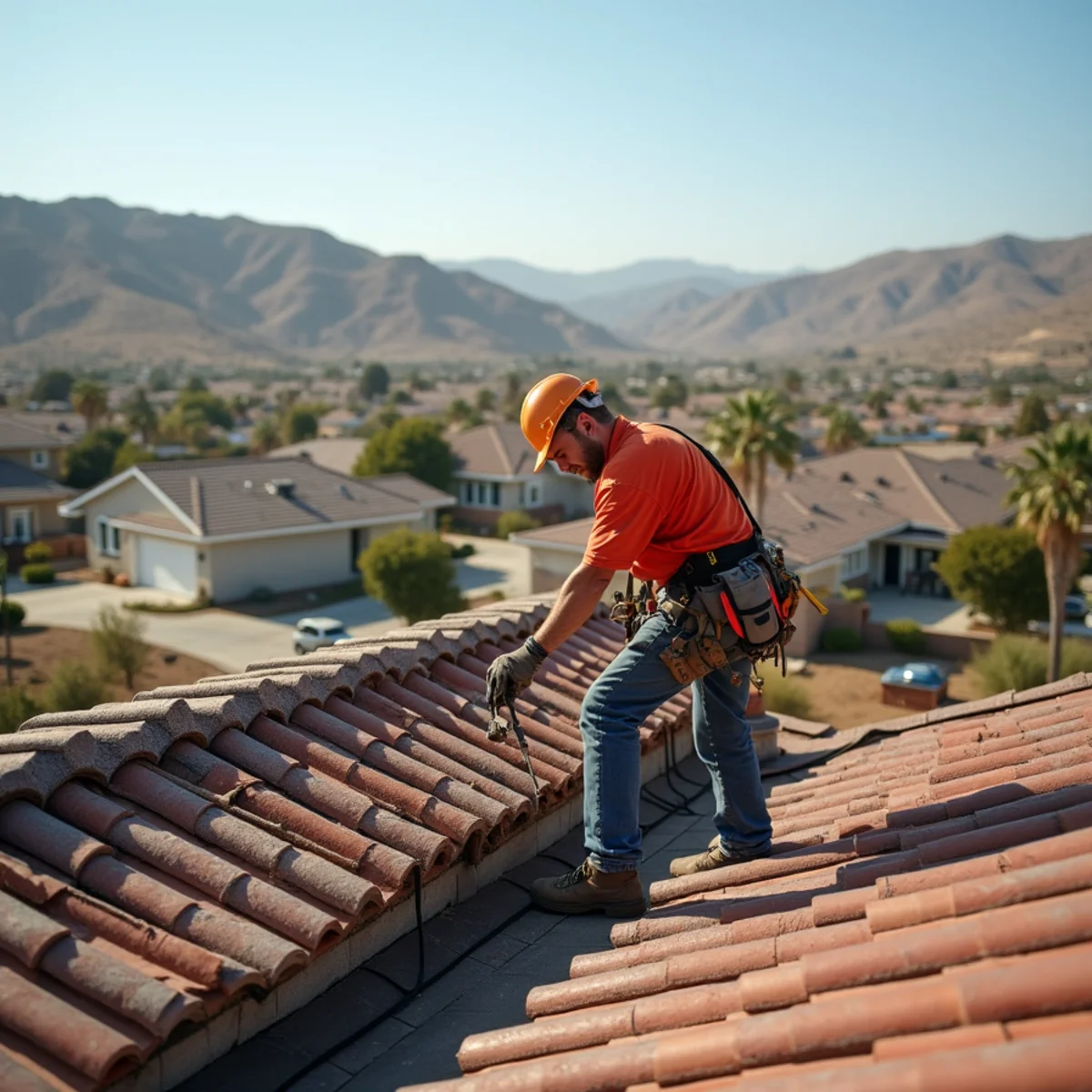
Vista property & roofing context
Vista features a broad mix — older homes, ranch styles, hillside properties and newer developments — with tile and shingle both common. Commercial and light-industrial buildings add flat and low-slope roofs to the mix.
Climate & exposure considerations
Being inland, Vista sees less salt exposure than the coast but more heat, making ventilation and cool-roof considerations more prominent. Santa Ana winds still reach Vista and can cause wind-uplift damage.
Roofing in Vista: What Local Homeowners Should Know
Roofing in Vista rewards a little local knowledge, because the city is more varied than its inland reputation suggests. Vista sits roughly seven miles back from the coast — far enough to trade most of the ocean's salt air for heat and strong sun, but not so far that the marine layer never reaches it. Its housing runs from established mid-century streets and ranch homes to hillside lots and newer subdivisions, and it carries one of North County's larger business and light-industrial districts, so the right roof for one property can be the wrong one two miles away.
The aim here is to help you read your own roof before you spend anything. We will walk you through what wears a Vista roof, how the city's homes and commercial buildings differ, and where the real decisions sit — repair or replacement, ventilation, cool-roof rules and permits — so there are no surprises when it is time to act.
Two roofing worlds: homes and the business park
Vista is unusual for how closely its neighborhoods sit next to a working business park and light-industrial base, and that splits the roofing picture in two. Most homes have pitched roofs covered in tile or asphalt shingle that shed rain by slope. Across the commercial corridors you find wide, flat and low-slope roofs that keep water out a different way — through a continuous membrane and planned drainage rather than pitch.
The two age and fail differently. A house roof shows trouble as a lifted shingle or cracked tile; a low-slope commercial roof shows it as ponding water that lingers after rain, an open seam, or tired flashing where the membrane meets a wall or rooftop unit. Some Vista properties involve both at once — a tile house with a flat-roofed garage out back, each half deserving its own look.
Where your home sits: Vista's west-to-east split
One thing that surprises people is that Vista is not a single climate. The western edge, closer to the coast, stays cooler and catches more of the marine layer — the low morning cloud and damp that drifts in off the ocean — while the eastern and inland hills run sunnier, hotter and drier. In late spring you can almost watch it: overcast mornings on the west side while the east is already in clear sun.
For a roof, that gradient matters. A west-side Vista roof spends more hours damp, so ventilation and materials that dry out well earn their keep. An east-side roof takes more heat and ultraviolet punishment, so heat cycling and reflectivity move to the front. Neither carries the constant salt load of a beachfront home, but inland is not one setting here — where your house sits in the city shapes what its roof fights.
Older neighborhoods and what the years hide
A good share of Vista's character comes from homes that have stood for decades — mid-century streets, ranch houses and the neighborhoods around the old downtown. Those roofs carry history you cannot see from the curb. On a tile roof, the tile can look sound while the underlayment beneath it has gone brittle. Underlayment is the water-resistant layer over the wood decking; it does the real waterproofing once anything slips past the tile, and years of heat dry it out until it cracks and stops sealing.
On older homes there is a second thing to budget for: the decking under the roofing. Slow leaks or trapped attic heat can soften that wood in ways that only show once the old roof comes off. Better to hear that upfront than mid-project — so we raise it early, and if damaged decking turns up during a tear-off, we stop, show you what was found, and price the added work plainly.
Hillside lots, slope and uneven sun
Head north and east and Vista's roads get windier and the lots get larger, with more homes set on hillsides. Elevation and slope change how a roof weathers. A ridgetop house catches more wind than one tucked into a valley, and a home's own roof planes bake unevenly — a south- or west-facing slope takes far more sun over the years than a shaded north face, so one roof can age at two speeds and wear out on one side first.
Hillside and custom homes also tend to carry complex rooflines, with extra valleys, hips and transitions. Each is an edge where water and wind get more to work with, and where flashing — the metal that seals joints and changes of plane — matters most. More geometry is not a problem in itself; it just means more detail to get right and more to check when something goes wrong.
Heat, UV and attic ventilation
Because heat and sun are the dominant pressures on most Vista roofs, attic ventilation quietly does a lot of the work of keeping a roof alive. It works as a pair: intake vents sit low at the eaves and draw cooler air in, while exhaust vents sit high near the ridge and let the hottest air out. Balanced, the two let the attic breathe; blocked or lopsided — too much exhaust and too little intake, or the reverse — hot air stalls under the roof deck.
That trapped heat bakes the underlayment from below, adds to summer cooling costs by radiating into the rooms beneath, and shortens the life of whatever sits on top. It is not the flashiest part of a roof, but on a hot inland roof it is one of the highest-value things to get right — worth checking alongside any repair or replacement.
Cool roofs, SRI and Title 24
Where heat leads, reflective roofing helps. A cool roof is rated by its Solar Reflectance Index, or SRI — a single number for how well a surface reflects sunlight and sheds the heat it does absorb. Higher-SRI tile, shingle and coatings can lower attic temperatures and ease the load on air conditioning through a Vista summer, and on wide commercial roofs a light, reflective surface makes an even bigger difference across all that exposed area.
California's Title 24 energy standards call for cool-roof performance on many new and replacement roofs, with exceptions that depend on slope and insulation. Those standards are revised on a set cycle, so rather than assume a particular version applies, we defer to the current edition and confirm how it applies to your roof with the city building department before materials are chosen.
Santa Ana wind: the pressure homeowners underestimate
Wind is the part people this far inland most often overlook. A hot, dry Santa Ana funneling through the valleys — most common in the fall, though it can arrive in any season — can lift shingles, crack or slide tile and scatter debris without ever producing a drip inside. The roof can be quietly compromised while looking perfectly fine from the street, and the trouble only surfaces at the next rain. After a strong wind event, a few minutes with your feet on the ground looking up for lifted shingles, slipped tile or debris is time well spent — catching a loose piece before the rains is far cheaper than chasing a leak after them. Because those same dry, windy conditions raise wildfire risk inland, non-combustible roofing categories such as tile and metal, and fire-rated assemblies, are worth weighing on exposed lots.
Tile and shingle: the common residential choices
Two materials cover most Vista homes: concrete or clay tile and asphalt shingle. Tile suits the Spanish and Mediterranean lines common across the area, holds up for a long time under sun, and gives a roof real character — with the catch already noted, that the underlayment beneath ages first and eventually needs renewing while the tile itself is often reused. Shingle is lighter and simpler to work with, and heat- and cool-roof-rated versions are made specifically for inland sun.
There is no single best answer. The right pick depends on the home's style and structure, its slope, whether it sits on the hotter east side or the cooler west, and what you want from it long term. We will walk you through the trade-offs in plain terms — how each handles Vista's heat and wind, and what upkeep each asks — rather than steering you toward one by default.
Commercial and low-slope roofs
Vista's business park and light-industrial base mean a large number of the city's roofs are flat or low-slope, and they play by different rules. Instead of shedding water by pitch, they rely on a continuous membrane and deliberate drainage, so the things that go wrong are ponding water that sits too long, seams that open, and flashing that tires where the roof meets a parapet wall or a rooftop air-conditioning unit.
These roofs are inspected and maintained on a different rhythm than house roofs, and reflective coatings can both extend a sound membrane and cut heat gain across a wide, sun-exposed surface. Where a business is operating below, work can usually be staged around your hours so day-to-day operations keep running — worth raising early so the plan fits the building's use.
Repair or replace: making the call
For most Vista homes the honest first step is figuring out where the roof sits in its life, not reacting to a single leak. A newer roof with one damaged area usually needs a targeted repair. An older roof that has been patched again and again, springs leaks in new spots each season, or has failing underlayment beneath still-sound tile is worth evaluating more seriously — repeated repairs on a tired roof can quietly add up to more than a replacement that fixes the underlying cause.
- Weigh the roof's overall age and condition against the material's expected service life, not just the leak in front of you.
- On tile, sound-looking tile is not proof of a sound roof — the underlayment beneath usually wears out first.
- Ask how many times the roof has already been repaired; a long patch history often points toward replacement.
- Have attic ventilation checked at the same time, since poor airflow shortens the life of whatever goes on top.
- After any Santa Ana, look for wind damage even without a leak, and address lifted or slipped pieces before the rains.
Permits and the City of Vista
A roof replacement that tears off the old covering generally needs a permit, while many minor repairs do not. Requirements and fees change, so the reliable move is to confirm what your specific project needs with the City of Vista building department before work begins, rather than relying on rules of thumb. The same goes for the cool-roof and energy requirements tied to Title 24 — defer to the current standard and the department's guidance for your address. Handled properly, a permit is less an obstacle than a checkpoint that the work meets current code, which matters most on the day you sell and a buyer's inspector goes looking for it.
When it makes sense to combine services
Some work is far cheaper done together than apart. If a re-roof is on the horizon, it is the natural moment to correct attic ventilation, replace worn flashing and skylight seals, and — if solar is anywhere in your plans — make the roof solar-ready so you are not paying later to lift and reset panels. On a property with both a tile house and a flat-roofed garage or shop, looking at both roofs in one visit often makes the sequencing and the budget clearer. The goal is simple: fix causes, not just symptoms, and group the work so you are not opening the same roof twice.
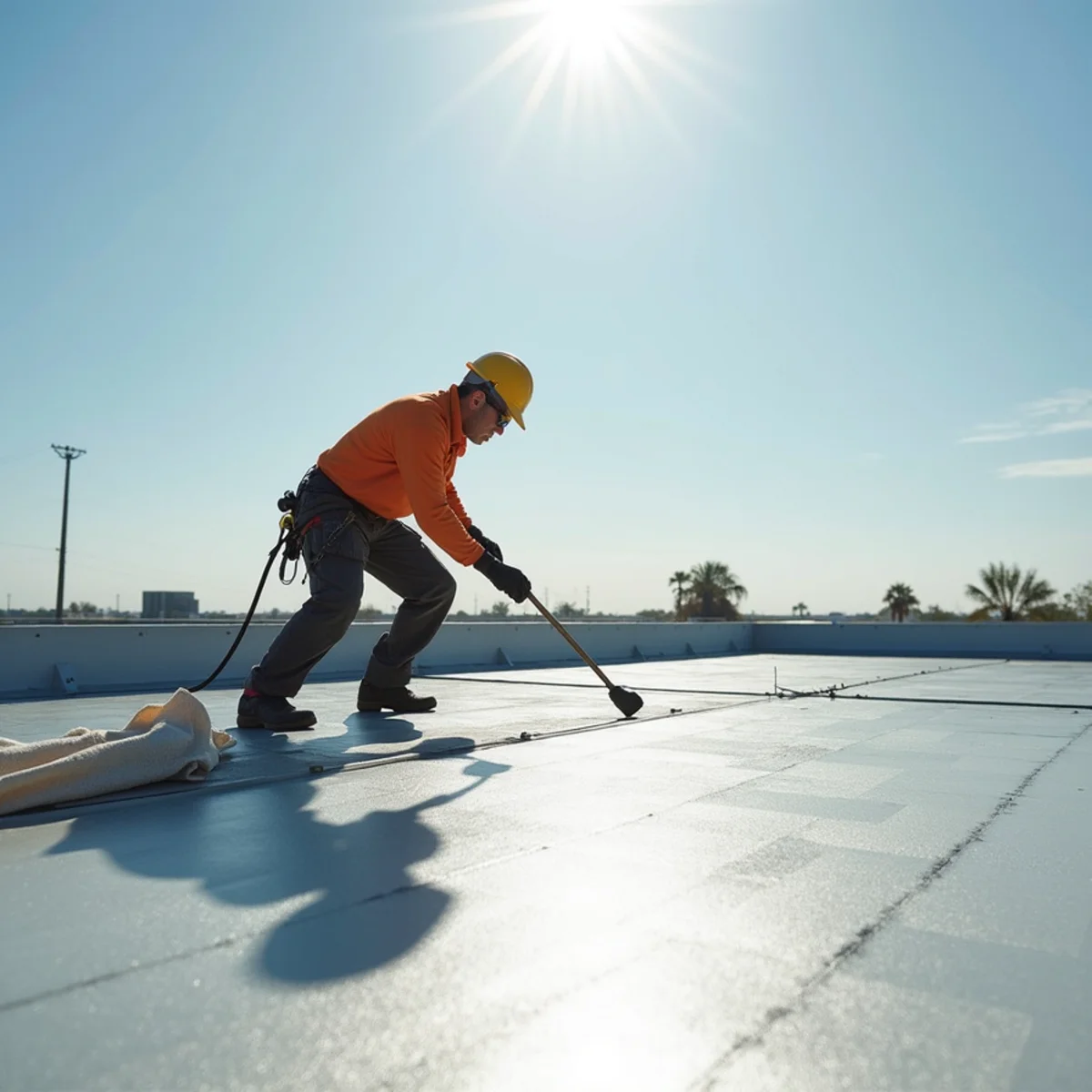
Common roofing materials in Vista
- Concrete and clay tile
- Asphalt shingles
- Cool-roof options
- Flat and low-slope membranes
Repair or replacement?
Whether a repair or replacement makes sense depends on your roof's condition — not a rule of thumb. Try the Roof Condition Assessment or read our repair vs. replacement guide.
Permits & compliance
Roof replacements involving tear-off generally require a permit in California cities, and new roofs often must meet Title 24 cool-roof requirements. See our roofing permits guide for how the process works, and confirm current requirements with your local building department.
Vista roofing FAQs
Not entirely. Vista's western edge, nearer the coast, still catches the marine layer and stays damper and cooler than the hotter, drier east side, so a west-side roof can spend real hours wet even well inland. Salt is far less of a factor than at the beach, but ventilation and materials that shed and release moisture still matter — especially on that western side of the city.
Much less than on the coast. Sitting several miles inland, Vista trades most of the corrosive salt air for heat, ultraviolet exposure and wind. That shifts the priorities toward attic ventilation, reflective or cool-roof materials and wind-appropriate installation rather than the corrosion-resistant components a beachfront roof needs.
Concrete and clay tile and asphalt shingle cover most of the city's homes. Tile fits the Spanish and Mediterranean styles common here and lasts a long time under sun, with the underlayment beneath being the part that wears first. Shingle is lighter and comes in heat- and cool-roof-rated versions suited to inland sun. Commercial and light-industrial buildings more often have flat or low-slope membrane roofs.
A hot, dry Santa Ana — most common in fall, though possible any time of year — can lift shingles, crack or slide tile and blow debris onto a roof without causing an immediate leak. The damage often stays hidden until the next rain finds it. After a strong wind event, a ground-level look for lifted shingles, slipped tile or debris, and addressing anything loose before the rains, is worth the few minutes.
A replacement that tears off the old roof generally requires a permit; minor repairs usually do not. Because requirements and fees change over time, confirm what your specific project needs with the City of Vista building department before work begins rather than relying on a rule of thumb.
California's Title 24 energy standards call for cool-roof performance on many new and replacement roofs, with exceptions tied to roof slope and insulation. Those standards are updated on a cycle, so we defer to the current edition and confirm how it applies to your specific roof with the city building department rather than assuming a particular version is in force.
Yes. Many of Vista's commercial and light-industrial buildings have flat or low-slope roofs that keep water out through a membrane and drainage rather than pitch. The common issues there are ponding water, open seams and tired flashing, which can be repaired, coated or maintained — and where a business is operating below, the work can usually be staged around your hours.
Yes. On a tile roof the tile itself can last a very long time while the underlayment beneath it — the water-resistant layer that does the actual waterproofing — dries out and cracks from years of heat. Sound-looking tile is not proof of a sound roof, which is why the layer underneath, along with the flashing and sealant at penetrations, is worth checking even when the surface looks perfect.
An annual check is a sensible baseline, with an extra look after any strong Santa Ana or wind event. Late summer — before the winter rains arrive — is a practical time, since it lets you catch and fix wind-loosened shingles or tile before they have water to work with.
Nearby service areas
Services
Roofing Services Available in Vista
Roof Repair
Targeted fixes for leaks, damaged shingles, broken tiles and failing flashing.
Learn moreRoof Replacement
Full-roof replacement with tear-off, deck inspection and coastal-ready installation.
Learn moreEmergency Roof Repair
Temporary protection and leak mitigation after storms, wind and sudden leaks.
Learn moreRoof Inspection
A documented look at your roof's condition, drainage, flashing and ventilation.
Learn moreRoof Maintenance
Proactive upkeep that catches small issues before they become expensive leaks.
Learn moreResidential Roofing
Repair, replacement, installation and maintenance for Oceanside homes.
Learn moreCommercial Roofing
Flat and low-slope systems, coatings and maintenance for Oceanside businesses.
Learn moreVista roofing
Get a Roof Estimate in Vista
Tell us what you're seeing and we'll help you take the next sensible step.