Loading…
Roofing in Carlsbad, CA
Roofing Services in Carlsbad, CA
Just south of Oceanside, Carlsbad blends coastal neighborhoods with inland planned communities. Wednora Roofers brings the same coastal-aware approach to Carlsbad roofs — matching materials and components to each property's distance from the ocean.
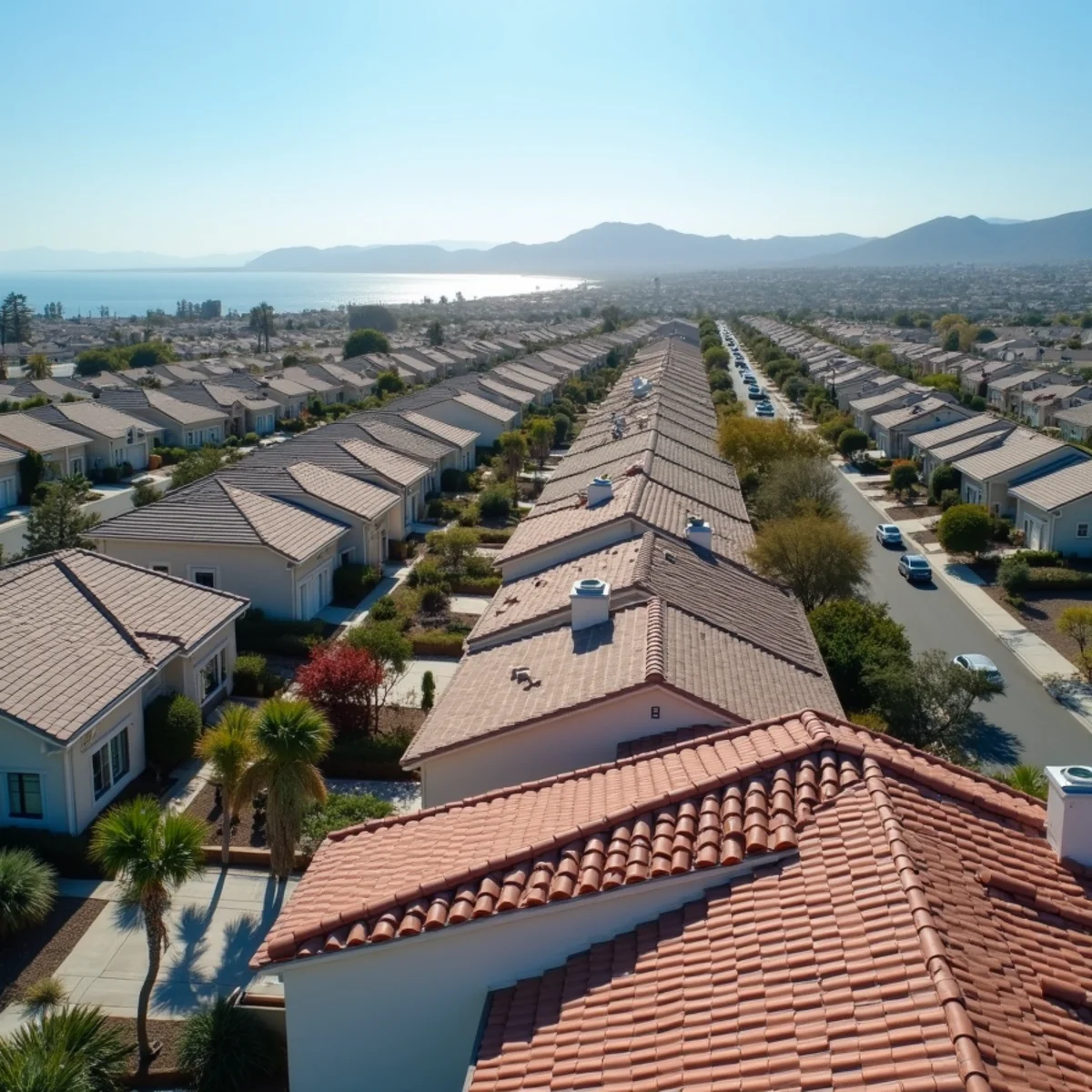
Carlsbad property & roofing context
Carlsbad ranges from beachfront and village-area homes to master-planned communities like La Costa and Aviara, with a mix of tile, shingle and modern flat sections. Coastal homes need corrosion-resistant components; inland communities often prioritize heat management and cool-roof options.
Climate & exposure considerations
Carlsbad shares Oceanside's coastal exposure — salt air near the coast, marine-layer moisture and strong sun — moderating as you move inland toward the I-5 and beyond.
Roofing in Carlsbad: What Local Homeowners Should Know
Carlsbad covers a lot of ground between the surf and the hills, and its roofs live in two different worlds because of it. Down by the Village and the beach, homes sit in genuine coastal air — salt on the morning breeze, damp that lingers past sunrise, and roofs that have quietly traded a share of their life to the ocean. A few minutes inland, in master-planned neighborhoods like La Costa, Aviara and Bressi Ranch, the air dries out and the afternoons warm up, and the roofing conversation turns from corrosion to heat. Many North County cities sit at a single point on that coast-to-inland scale. Carlsbad spreads across a good stretch of it, so no one roof recommendation fits the whole city.
That is the first thing worth knowing as a Carlsbad homeowner: where your house sits inside the city shapes your roof as much as the city itself does. How far you are from the water, which way your slopes face, whether one of the lagoons sits between you and the coast, and how much afternoon sun the roof takes — these decide the materials and the small components that actually determine how long a roof holds up here. The sections below walk through how that plays out, neighborhood by neighborhood and roof type by roof type.
A quick map of Carlsbad's roofs
Carlsbad's housing runs a wide range, and the rooftops track it closely. Nearer the coast you find older beach cottages and Village-area homes — modest, much-remodeled, and often carrying several generations of roofing decisions at once. Inland, the master-planned communities lean heavily on Spanish and Mediterranean lines, which usually means concrete or clay tile over stucco walls. Newer tract neighborhoods, Bressi Ranch among them, fill in with tidy, uniform rooflines built to a plan. And around the business parks off Palomar Airport Road, flat and low-slope commercial roofs enter the mix. Each of those asks for a different eye.
- Village and beach-close homes: older cottages and remodels where the hidden layers, not the visible roof, usually set the timeline.
- La Costa and Aviara: Spanish and Mediterranean styles, most often topped with concrete or clay tile.
- Bressi Ranch and newer tracts: uniform, plan-built rooflines, frequently under community design rules.
- Palomar Airport Road business area: flat and low-slope commercial and light-industrial roofs.
The coast-to-inland gradient, and why it decides your roof
The single most useful idea for a Carlsbad roof is the gradient — the steady shift from salt-driven coastal conditions at the shore to heat-driven inland ones a few miles east. Right on the water, salt is the constant antagonist: it corrodes fasteners and flashing, works into seams, and shortens the life of anything metal that was not chosen for it. Move inland and the salt fades while sun and heat take over, putting the emphasis on ventilation and reflective, heat-shedding surfaces. Most of Carlsbad lives somewhere between those two extremes, and the right roof reflects that middle ground rather than a coast-only or an inland-only answer. Placing your home on that gradient is the first thing we do, because nearly every material and component choice follows from it.
What the lagoons do to your exposure
Carlsbad has three lagoons — Buena Vista to the north near the Oceanside line, Agua Hedionda through the middle, and Batiquitos to the south — and they nudge the coastal influence inland in a way that catches some homeowners off guard. These inlets of open tidal water carry marine moisture and a measure of salt along the low ground, reaching further from the beach than the straight-line distance would suggest. A home that overlooks or sits downwind of a lagoon can breathe damper, saltier air than one the same distance inland but away from the water.
For those properties the coastal playbook still applies even when the beach feels far off: corrosion-resistant fasteners and flashing — the nails and the shaped metal that seal a roof's joints and edges and keep water out — earn their place. Aviara, sitting on the hillside above Batiquitos, is a good example of an inland-feeling community that still gets a lagoon's marine influence.
Coastal Carlsbad: the Village and beach-close homes
Close to the coast, salt is simply always in the air, and the older homes here wear it. Many Village and beach-area cottages have been added onto and remodeled over the decades, which often means a roof that is really several roofs meeting at transitions — a pitched original, a flatter section over a back room, a covered porch, a converted garage. Those transitions, where two planes or a roof and a wall come together, are where coastal roofs most often start to leak, because they concentrate water and depend on flashing that salt air slowly eats.
The other thing worth expecting on older beach-close homes is that the parts you cannot see age faster than the parts you can. Underlayment — the water-resistant layer beneath the shingles or tile that does the real waterproofing — grows brittle, flashing thins, and the occasional stretch of decking (the wood sheathing under the roofing) softens after years of marine moisture. On a Carlsbad roof near the water, the visible surface and the hidden layers rarely age at the same rate, and it is usually the hidden layers that decide when work is due. We raise those possibilities before a project, not after, so there are no surprises once the old roof comes off.
Inland Carlsbad: tile, heat and ventilation
Head inland to La Costa, Aviara and the newer tracts and the story flips. Homes are generally newer, the architecture leans Spanish and Mediterranean, and concrete or clay tile is the common crown. Here the roof's main job is managing heat, not salt. That puts attic ventilation front and center — a well-vented attic lets built-up heat escape instead of baking the roof and the rooms below — and it makes reflective, cool-roof surfaces genuinely useful rather than a luxury. It is also where a common tile misunderstanding comes up: the tile itself is durable and can outlast the layer beneath it, but the underlayment under the tile is what actually keeps water out, and that layer needs renewal well before the tile does.
- On tile roofs, plan around the underlayment beneath; the tile can often be lifted, set aside and re-laid over a fresh waterproof layer.
- Prioritize attic ventilation inland — it protects the roof and helps with summer comfort and cooling costs.
- Ask whether a reflective, cool-roof-rated product suits your home, since inland heat is where it does the most good.
Cool roofs and California's energy code
For inland Carlsbad homes especially, cool roofing comes up often, and it is worth understanding plainly. A cool roof uses a surface designed to reflect more sunlight and shed absorbed heat, which can lower attic temperatures and ease the load on air conditioning through the warm months. Beyond the comfort benefit, California's building energy standards can require certain reflectivity levels when you re-roof, depending on the roof type, slope and materials. Those rules are updated over time, so rather than quote a fixed requirement we confirm what the current standard calls for and choose a compliant product with you. The takeaway is simple: if you are re-roofing an inland Carlsbad home, cool-roof options belong in the conversation, both for comfort and for compliance.
The roof types you'll find here
Across Carlsbad, a handful of roof types cover most homes, and each has its own place on the gradient.
- Concrete and clay tile: the default on inland Spanish and Mediterranean homes; durable and heat-friendly, with the underlayment beneath as the part that ages.
- Asphalt shingle: common on a range of homes; near the coast, wind- and corrosion-appropriate versions and fasteners matter.
- Standing-seam and other metal: a strong coastal choice when a corrosion-resistant alloy is specified; poorly chosen metal fails early in salt.
- Flat and low-slope membranes: found on modern sections, some additions and commercial buildings, where a continuous membrane and clear drainage do the work instead of steep pitch.
Wind, and the edges near open space
Two more conditions shape Carlsbad roofs. The first is wind: onshore gusts off the ocean and the occasional dry Santa Ana event from inland both test a roof's edges, lifting poorly fastened material and driving rain into seams, so wind-appropriate installation matters more than it appears. The second applies to homes on Carlsbad's eastern and southern edges, where neighborhoods back up to canyons and open space. In those wildland-adjacent spots, non-combustible roofing like tile and metal is worth a conversation, and the right approach follows the current fire-safety standards for the area rather than a rule of thumb. Both are reasons the details on a Carlsbad roof are not just cosmetic.
Repair or replace? How to weigh it
One of the most common questions homeowners in Carlsbad face is whether a roof can be repaired or has reached replacement. The honest answer usually comes down to whether the problem is local or systemic. A leak traced to a single failed flashing, a cracked tile or a small worn patch is often a repair. When the underlayment across the whole roof has aged out, or leaks keep surfacing in new places, patching tends to buy time rather than solve the problem, and a full replacement becomes the better value. Because so much of a Carlsbad roof's condition lives in the hidden layers, a proper look underneath — not just a glance at the surface — is what tells the two situations apart.
- Lean toward repair when damage is localized and the underlying layers are still sound.
- Lean toward replacement when the underlayment is broadly worn or leaks recur in new spots.
- Either way, start with an inspection that checks the flashing, underlayment and decking, not only the visible surface.
Community design standards and HOAs
Many of Carlsbad's master-planned neighborhoods — La Costa, Aviara and Bressi Ranch among them — have architectural guidelines that govern what a replacement roof may look like. That can limit the color and the tile profile to an approved range, and in some communities changes need review before work starts. None of this is an obstacle so much as a step to handle early: confirming your community's roofing rules before choosing a material keeps a project from stalling and keeps your new roof in good standing with the association.
Permits and inspections in Carlsbad
For most roof replacements that involve a tear-off, a permit is generally required, while small repairs typically are not. Requirements and the details around them do change, so the reliable move is to confirm the current rules with the City of Carlsbad's building department before work begins rather than assume. As for inspections, an annual look is a sensible baseline near the coast, with an extra check after a major wind or storm event. Late summer — after the dampest marine-layer stretch and before the winter rains — is a practical time to have a Carlsbad roof looked over.
When it pays to combine roofing with other work
Because getting up onto a roof is much of the effort, some jobs are far cheaper done together than apart. If solar is in your plans, replacing an aging roof first — or at least making it solar-ready — avoids paying later to remove and reset panels on a roof that gives out beneath them. The same logic applies to attic ventilation upgrades, skylights and gutters, all easier to address while the roof is open. On an inland Carlsbad home, folding a ventilation improvement into a re-roof is often the sensible play; near the coast, coordinating flashing and any wall-transition work at the same time saves a second trip up top.
Matching the roof to your address, not just your city
The through-line for roofing in Carlsbad is that the answer depends on where your home sits. Near the Village, the beach or a lagoon, prioritize materials and hardware built for salt and moisture — corrosion-resistant metal, or quality tile over renewed underlayment, with fasteners and flashing chosen to resist rust. Inland in La Costa, Aviara and the newer tracts, prioritize heat management, ventilation and a cool-roof surface, and work within your community's design rules. Most of Carlsbad lands between those poles, and the best roof reflects that rather than a one-size answer. We will walk you through where your home falls on the gradient and what it means for materials, components and budget, plainly and with no surprises.
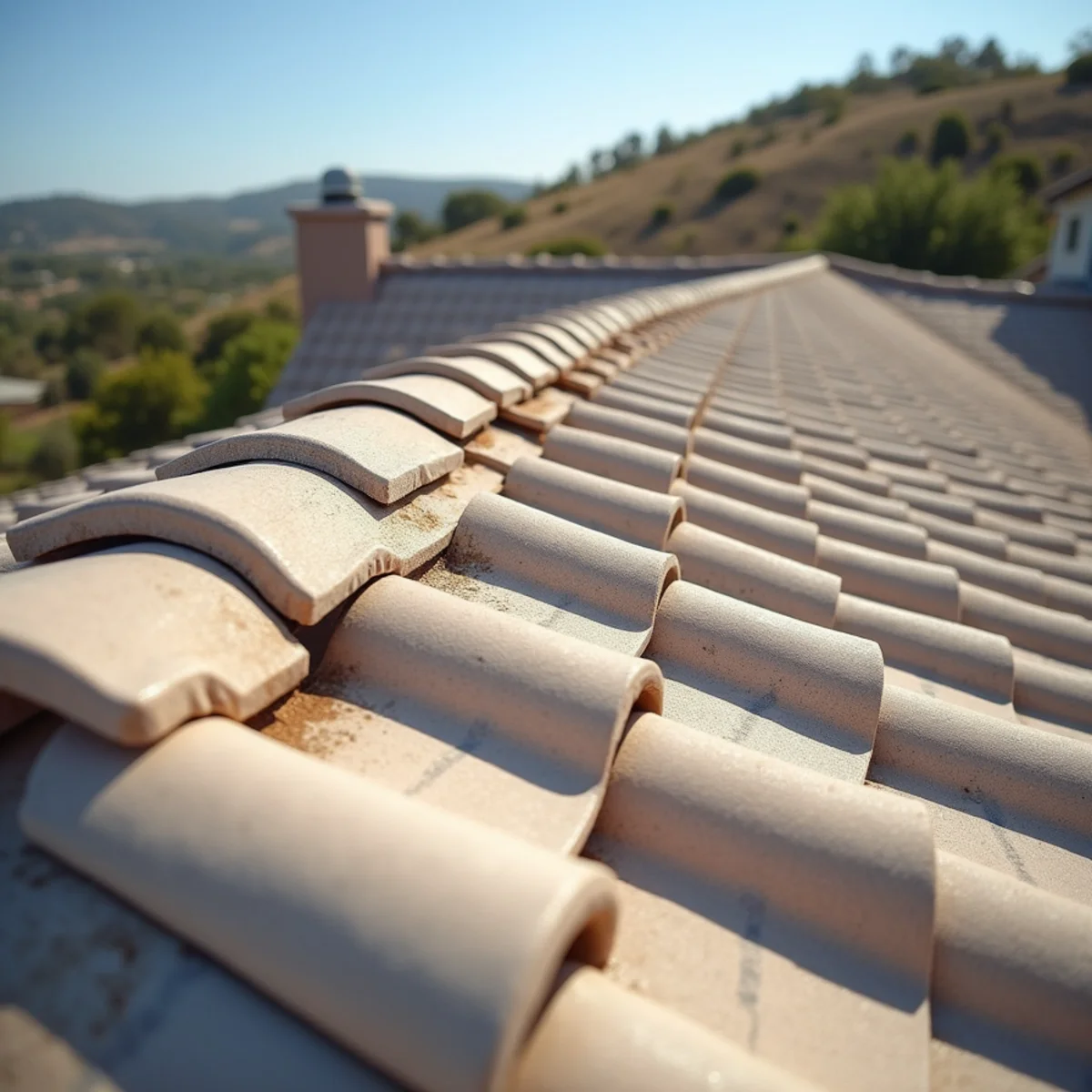
Common roofing materials in Carlsbad
- Clay and concrete tile
- High-wind-rated asphalt shingles
- Metal roofing
- Flat and low-slope membranes
Repair or replacement?
Whether a repair or replacement makes sense depends on your roof's condition — not a rule of thumb. Try the Roof Condition Assessment or read our repair vs. replacement guide.
Permits & compliance
Roof replacements involving tear-off generally require a permit in California cities, and new roofs often must meet Title 24 cool-roof requirements. See our roofing permits guide for how the process works, and confirm current requirements with your local building department.
Carlsbad roofing FAQs
Close to the water, corrosion-resistant metal and quality tile over sound underlayment both perform well, because salt is the main thing wearing a roof down there. Metal suits contemporary homes when a corrosion-resistant alloy is specified; tile suits Spanish and Mediterranean styles. The better choice depends on your home's design and exactly how much salt and moisture it takes, which is tied to how close you are to the beach or a lagoon.
Often, yes. In neighborhoods like La Costa, Aviara and the newer tracts, heat rather than salt is what a roof manages, and a reflective, cool-roof surface can lower attic temperatures and ease cooling costs in summer. California's building energy standards may also call for certain reflectivity levels when you re-roof, depending on the roof type and slope, so cool-roof options are worth weighing for both comfort and compliance with the current standard.
They can. Buena Vista, Agua Hedionda and Batiquitos carry marine moisture and a little salt along the low ground, so a home overlooking or downwind of a lagoon may see damper, saltier air than its distance from the ocean suggests. For those properties, corrosion-resistant fasteners and flashing are still a sensible call even though the beach feels far off.
Not quite. Tile is durable and can last a long time, but the underlayment beneath it — the water-resistant layer that actually keeps water out — ages faster and needs renewal well before the tile does. On many tile roofs the tile can be carefully lifted, set aside and re-laid over fresh underlayment, so you keep the look while renewing the part that was failing.
A permit is generally required for replacements that involve a tear-off, while minor repairs typically do not need one. Because requirements change over time, confirm the current rules with the City of Carlsbad's building department before work begins rather than assume, and we can help you understand what your specific project involves.
In many of Carlsbad's master-planned communities, yes. Architectural guidelines can limit the color and tile profile to an approved range, and some communities want changes reviewed before work starts. It is worth confirming your community's roofing rules before choosing a material, so the project moves smoothly and your new roof stays in good standing.
It usually comes down to whether the problem is local or systemic. A leak from a single failed flashing, a cracked tile or a small worn spot is often a repair; when the underlayment across the whole roof has aged out or leaks keep appearing in new places, replacement tends to be the better value. An inspection that checks the flashing, underlayment and decking underneath — not just the surface — is what tells the two apart.
An annual inspection is a sensible baseline near the coast, plus an extra look after a major wind or storm event. Late summer is a practical time — after the dampest marine-layer months and before the winter rains — so any needed work can be handled before the wet season.
Yes. If solar is in your plans, it usually makes sense to replace an aging roof first or make it solar-ready, so you avoid paying later to remove and reinstall panels on a roof that fails beneath them. Ventilation upgrades, skylights and gutters are also easier and cheaper to address while the roof is already open.
Services
Roofing Services Available in Carlsbad
Roof Repair
Targeted fixes for leaks, damaged shingles, broken tiles and failing flashing.
Learn moreRoof Replacement
Full-roof replacement with tear-off, deck inspection and coastal-ready installation.
Learn moreEmergency Roof Repair
Temporary protection and leak mitigation after storms, wind and sudden leaks.
Learn moreRoof Inspection
A documented look at your roof's condition, drainage, flashing and ventilation.
Learn moreRoof Maintenance
Proactive upkeep that catches small issues before they become expensive leaks.
Learn moreResidential Roofing
Repair, replacement, installation and maintenance for Oceanside homes.
Learn moreCommercial Roofing
Flat and low-slope systems, coatings and maintenance for Oceanside businesses.
Learn moreCarlsbad roofing
Get a Roof Estimate in Carlsbad
Tell us what you're seeing and we'll help you take the next sensible step.