Loading…
Roofing in Encinitas, CA
Roofing Services in Encinitas, CA
Encinitas is a classic coastal community where salt air and marine moisture are front and center. Wednora Roofers emphasizes corrosion-resistant materials and moisture management for its beach-close homes.
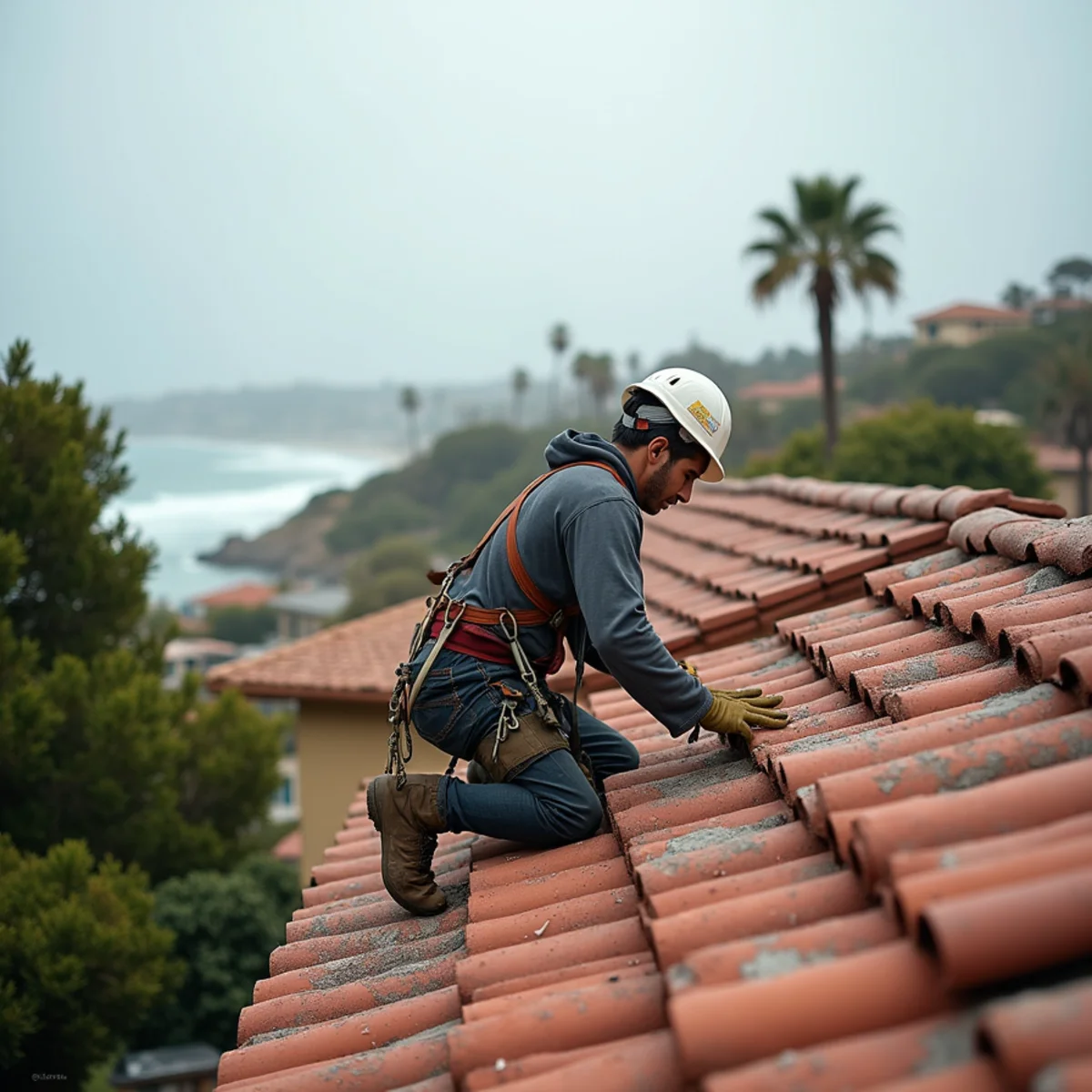
Encinitas property & roofing context
From Leucadia bungalows to Olivenhain estates, Encinitas mixes older coastal cottages, Spanish-style tile homes and contemporary designs. Coastal proximity makes corrosion-resistant components a priority for many properties.
Climate & exposure considerations
As a coastal city, Encinitas sees significant salt exposure, persistent marine layer and strong UV. Metal (with the right alloy) and quality tile are popular for their coastal durability.
Roofing in Encinitas: What Local Homeowners Should Know
Encinitas covers about six miles of coastline and folds five distinct communities into one city: the eclectic beach streets of Leucadia, the walkable heart of Old Encinitas, the surf town of Cardiff-by-the-Sea, the newer tract neighborhoods of New Encinitas, and the rural, horse-country lots of Olivenhain to the east. That range is unusual for a coastal city its size, and it shows up overhead. A weathered beach cottage a block from the sand and a sprawling estate on an Olivenhain acre are both Encinitas roofs, yet they face different problems and reward different choices. The one thread running through all of them is the coast: the marine layer that sits over the city most mornings and the salt that travels on the same air. Before we talk materials, we start by asking which Encinitas your home is in and how much of that coastal exposure actually reaches it.
What the marine layer and salt air do to an Encinitas roof
For all of the city's variety, one condition sits under every roof in it: the marine layer. This is the deck of low cloud and fog that forms over the ocean and drifts inland, and in Encinitas it often lingers into the late morning before the sun burns it off. The effect on a roof is simple enough: it stays wet longer. Slopes that face north or sit in shade can hold that damp for hours, which is where moss and algae take hold and where small gaps have the most time to let water work inward.
Riding along on the same moist air is salt, and salt is hard on metal. The fasteners (the nails and screws that hold roofing down) and the flashing (the metal pieces that seal a roof's joints, edges and anything that pokes through it) are what salt goes after first. That is why, near this coast, corrosion-resistant hardware and a sound underlayment — the water-resistant layer beneath the tile or shingle that does the real waterproofing — matter more than the surface you can see.
Leucadia and downtown: cottages, bungalows and stitched-together rooflines
Leucadia and Old Encinitas hold some of the oldest and most eclectic housing in North County. Along and just off Coast Highway 101 you find beach bungalows, low-slung mid-century ranch homes, and cottages that have been added onto and remodeled many times over. That history leaves a mark up top: an older Encinitas roof is often really several roofs joined together — a pitched original, a flatter section added over a back room or porch, maybe a converted garage — each meeting the next at a transition that has to be sealed.
Those low-slope additions in particular usually need a different system than the main roof. A flat or low-slope roof sheds water through a continuous waterproof membrane and deliberate drainage rather than steep pitch, and where that membrane meets the older pitched roof is a spot to keep an eye on. Homeowners here often get the most value from sorting out those junctions rather than from the roofing material alone.
Cardiff-by-the-Sea: front-line salt and wind
Cardiff-by-the-Sea sits right on the water, and its roofs take the coast head-on. Homes near the surf and above San Elijo Lagoon meet onshore wind with little to slow it and catch salt spray — the fine, salty mist thrown off the waves — which is harder on materials than salt air alone. Many Cardiff homes are also view-oriented, with rooflines shaped around the outlook: more edges, more transitions, and sometimes rooftop decks, each one a place water can find if the detailing is not right. For homes this close to the ocean, the small metal parts tend to decide how long the whole roof lasts, so corrosion-resistant fasteners and flashing and careful work at every edge carry real weight here.
Olivenhain and New Encinitas: bigger roofs, inland heat and HOA rules
Head east and the picture flips. Olivenhain is Encinitas's rural corner — large lots, horse properties, open space and estate homes on rolling ground. Roofs there tend to be big and complex, with many valleys (the internal angles where two slopes meet and funnel water), hips, and penetrations (anything passing through the roof, such as vents, chimneys or skylights), plus the occasional barn or outbuilding. The exposure trades some salt for heat and wind, and the semi-rural setting near open space makes fire-aware, non-combustible materials worth a conversation. New Encinitas, by contrast, is largely newer tract and master-planned housing, frequently topped with concrete tile and often governed by an HOA's architectural rules. There, inland heat matters more than salt, and the color and profile of a replacement roof may need to fall within an approved range.
- On Olivenhain's larger tile roofs, budget attention for the valleys and penetrations, where complex roofs concentrate water.
- In semi-rural areas near open space, ask about non-combustible roofing suited to a wildfire-aware setting.
- In master-planned New Encinitas, confirm your HOA's roofing guidelines before settling on a material or color.
Common roof types on Encinitas homes
Because the housing is so varied, several roof types show up across Encinitas, each suited to a different kind of home.
- Clay and concrete tile: the classic look on Spanish-style and many New Encinitas homes. The tile itself is durable; the underlayment beneath it is the part that eventually needs renewing.
- Asphalt shingle: common on tract homes. Near the coast, high-wind-rated versions paired with corrosion-resistant fasteners are the sensible combination.
- Standing-seam metal: a fit for contemporary and coastal rebuilds, provided the alloy is chosen for salt rather than just for looks.
- Flat and low-slope membrane: found on modern designs, cottage additions and downtown commercial buildings, where drainage and seams are what to watch.
Ventilation, cool roofs and energy rules
Two things worth planning around are ventilation and heat. In damp marine air, attic ventilation is not only about summer temperature — it helps moisture escape so it does not build up under the roof, which matters everywhere in Encinitas but especially on shaded, slow-drying slopes. Inland, in New Encinitas and Olivenhain, heat gain becomes the bigger issue, and a cool roof — a surface designed to reflect more sunlight than a standard dark roof and stay cooler — can ease cooling bills and indoor comfort.
California's energy code, often called Title 24, can also require a certain level of roof reflectance on some new roofs. Whether it applies to your project depends on the current standard, so we defer to the code and the building department rather than guessing at it.
Wind and fire, on the coast and inland
Wind reaches Encinitas roofs from two directions. Onshore ocean wind presses hardest at the coast, working at the edges and eaves where uplift — the lifting force wind exerts on a roof's perimeter — does its damage, so secure fastening at those edges matters near the water. Occasional Santa Ana events bring dry, gusty wind from inland and can test any roof. Fire is the other inland factor: Olivenhain and the eastern edges sit near open space, where non-combustible roofing such as tile or metal, a Class A fire rating (the highest rating for a roof's resistance to fire from outside), and ember-resistant details at vents and edges are worth weighing. The right emphasis depends on where in the city your home sits.
Repair or replace: reading an Encinitas roof
When something goes wrong, the useful question is whether it is a localized problem or a sign the roof has reached the end of its service. A single leak around a skylight or a slipped tile is often a repair. But on a coastal roof, the timeline is usually set by the hidden layers: when the underlayment has grown brittle across the whole roof or the flashing has thinned everywhere at once, patching one spot tends to be chased by the next. On Encinitas's stitched-together cottage roofs, it also pays to look at whether the trouble sits at the transitions between old and added sections. An inspection is what tells the two situations apart, and we will be straight with you about which one you are looking at, with no push toward the bigger job.
Inspections and the coastal maintenance rhythm
A coastal roof rewards a steady, unfussy maintenance rhythm. An annual look is a sensible baseline near the ocean, with an extra check after a major storm or wind event. Late summer — once the dampest marine-layer months have passed and before the winter rains — is a practical time to catch small things early. Between visits, the most useful habits are keeping valleys and gutters clear of leaves and debris so water and salt do not sit, and glancing at the flashing and sealant around vents, chimneys and skylights. On shaded slopes, watch for moss or algae taking hold in the damp. None of this is dramatic; it is simply what keeps a roof holding up in this climate.
Permits and approvals in Encinitas
Roofing work in Encinitas usually involves the city. A re-roof permit is generally required when you are replacing a roof or tearing off the old one, while small repairs often are not — but the specifics can change, so the reliable step is to confirm current requirements with the City of Encinitas building department before work starts. If your home is in a master-planned part of New Encinitas, there may be a second layer: an HOA architectural review that governs the color and profile of your new roof. We will walk you through what applies to your address so there are no surprises once the project is underway.
When it pays to combine work
A re-roof is the natural moment to handle anything that lives on or under the roof, because the access will never be easier. If solar is on your horizon, the roof can be built solar-ready so you are not paying to remove and reset panels a few years later. Aging skylights, tired vents, and worn gutters and fascia — the board along the roof's edge that the gutters attach to — are all cheaper to address while crews and equipment are already in place. Bundling this work avoids doing the same setup twice, and it is worth raising early so the plan accounts for it.
Choosing the right roof for your Encinitas home
Choosing a roof in Encinitas comes down to three questions: which of the city's communities you live in, how much of the coastal exposure actually reaches your home, and what style the house calls for. A Leucadia cottage, a Cardiff view home and an Olivenhain estate each land in a different place on those questions. What stays constant across all of them is what sits underneath — corrosion-resistant hardware and a quality underlayment doing the quiet work that keeps the visible roof dry. We will walk you through the trade-offs for your specific home, plainly and without a pitch, so the roof you choose fits your address and holds up to this coast.
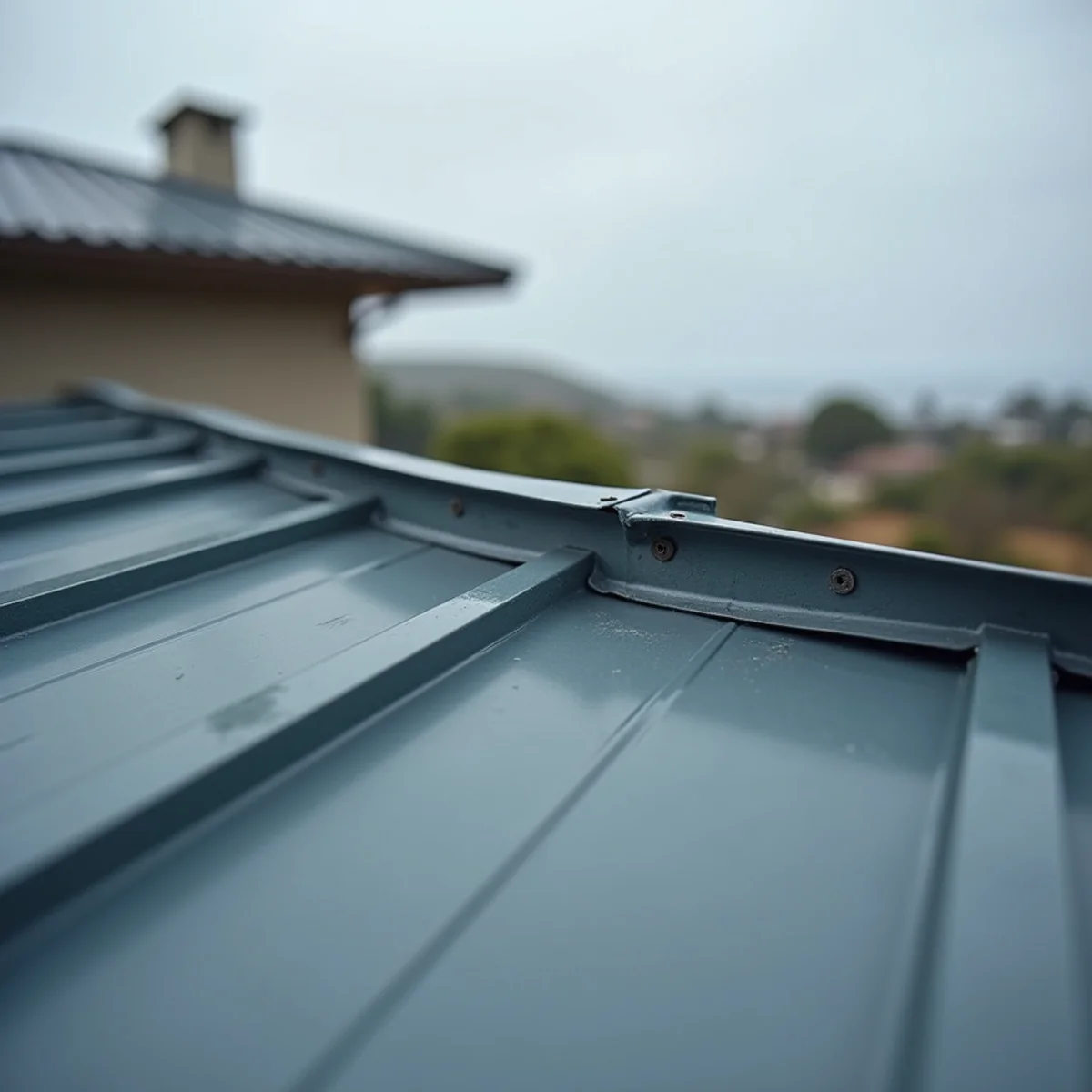
Common roofing materials in Encinitas
- Clay and concrete tile
- Corrosion-resistant metal
- High-wind-rated shingles
- Flat and low-slope membranes
Repair or replacement?
Whether a repair or replacement makes sense depends on your roof's condition — not a rule of thumb. Try the Roof Condition Assessment or read our repair vs. replacement guide.
Permits & compliance
Roof replacements involving tear-off generally require a permit in California cities, and new roofs often must meet Title 24 cool-roof requirements. See our roofing permits guide for how the process works, and confirm current requirements with your local building department.
Encinitas roofing FAQs
Corrosion-resistant metal and quality tile set over sound underlayment both perform well in coastal conditions. The better fit depends on your home's style, your budget and how much salt and wind it actually takes — a Cardiff home near the surf and a New Encinitas tract home face different exposures, so we match the recommendation to your address rather than to the city as a whole.
The marine layer is the low ocean fog that hangs over Encinitas many mornings, and its main effect is keeping a roof damp longer. Shaded and north-facing slopes dry slowly, which encourages moss and algae and gives moisture more time to find any gap. Good attic ventilation, clear valleys and gutters, and corrosion-resistant hardware are the practical answers.
A re-roof permit is generally required when you replace a roof or tear off the old one, while minor repairs often do not need one. Requirements can change, so confirm the current rules with the City of Encinitas building department before work begins. In master-planned parts of New Encinitas, an HOA architectural review may also apply.
It depends on whether the problem is localized or systemic. A single leak or a slipped tile is often a repair, but when the underlayment or flashing has aged across the whole roof, patching one area tends to be followed by the next. On older cottage roofs, it also matters whether the trouble sits at the transitions between original and added sections. An inspection is what tells the two apart.
California's energy code, often called Title 24, can require a certain level of roof reflectance on some new roofs, but whether it applies depends on the current standard and your specific project — so we defer to the code and the building department. In the warmer inland parts of the city like New Encinitas and Olivenhain, a reflective cool-roof surface can also help with heat regardless of the rules.
Often, yes. Many master-planned New Encinitas neighborhoods have architectural guidelines that govern the color and profile of a replacement roof. It is worth confirming your community's requirements before choosing a material, since an approved palette can rule some options in or out.
For homes on Encinitas's semi-rural east side near open space, it can be. Non-combustible materials such as tile and metal, a Class A fire rating, and ember-resistant details at vents and edges are all worth weighing. We can talk through options suited to a wildfire-aware setting and to your particular lot.
An annual inspection is a sensible baseline this close to the ocean, plus an extra look after any major storm or wind event. Late summer — after the dampest marine-layer months and before the winter rains — is a practical window. Between checks, keeping valleys and gutters clear of debris does a lot to protect the roof.
Yes. If solar is in your plans, the roof can be built solar-ready during a re-roof, which avoids paying to remove and reinstall panels later. A re-roof is also the easiest time to renew skylights, vents and gutters, since the access is already there. Mention it early so the plan can account for it.
Nearby service areas
Services
Roofing Services Available in Encinitas
Roof Repair
Targeted fixes for leaks, damaged shingles, broken tiles and failing flashing.
Learn moreRoof Replacement
Full-roof replacement with tear-off, deck inspection and coastal-ready installation.
Learn moreEmergency Roof Repair
Temporary protection and leak mitigation after storms, wind and sudden leaks.
Learn moreRoof Inspection
A documented look at your roof's condition, drainage, flashing and ventilation.
Learn moreRoof Maintenance
Proactive upkeep that catches small issues before they become expensive leaks.
Learn moreResidential Roofing
Repair, replacement, installation and maintenance for Oceanside homes.
Learn moreCommercial Roofing
Flat and low-slope systems, coatings and maintenance for Oceanside businesses.
Learn moreEncinitas roofing
Get a Roof Estimate in Encinitas
Tell us what you're seeing and we'll help you take the next sensible step.