Loading…
Roofing in Solana Beach, CA
Roofing Services in Solana Beach, CA
Solana Beach is a compact, upscale coastal community where salt air and moisture are constant. Wednora Roofers emphasizes corrosion resistance and careful detailing for its beach-close homes.
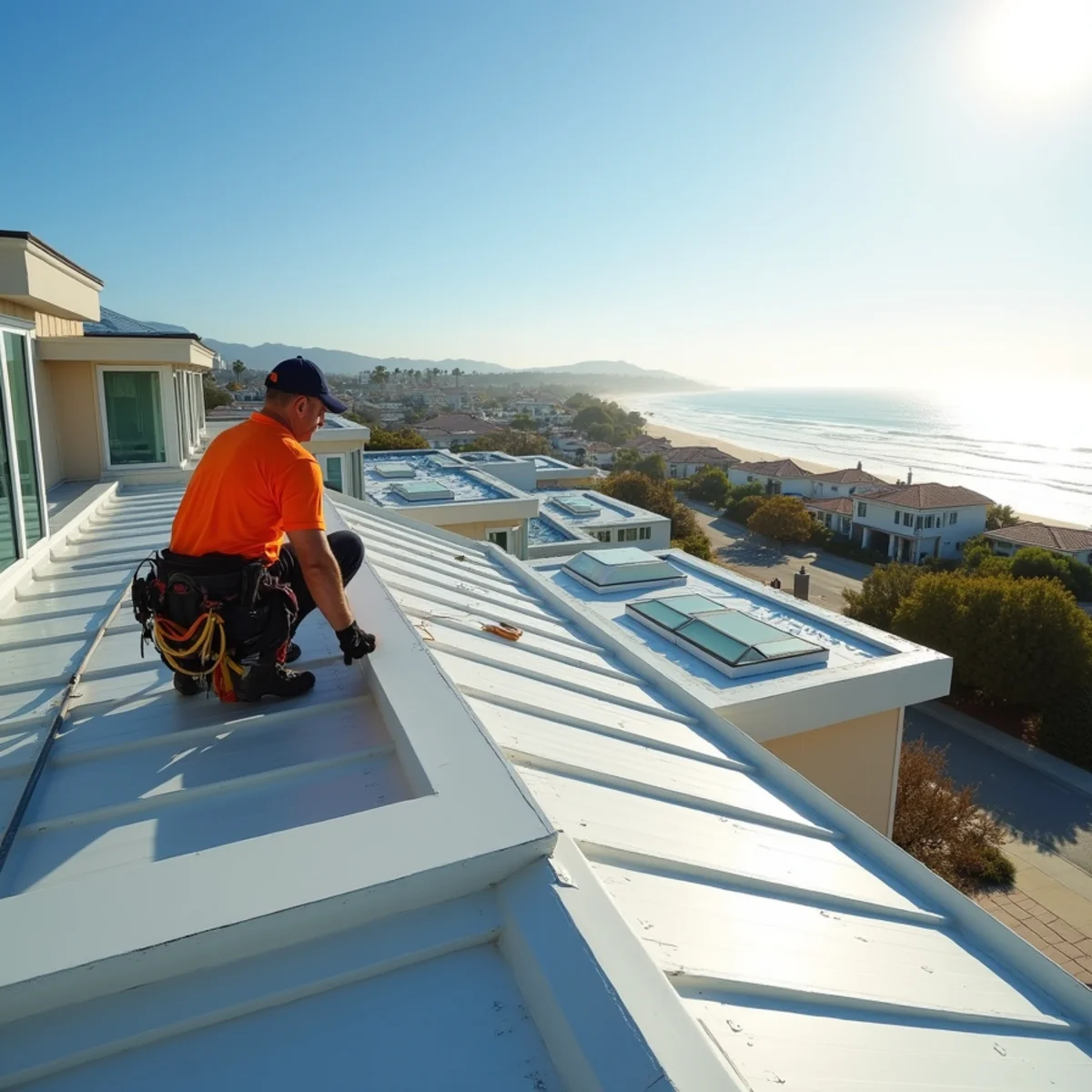
Solana Beach property & roofing context
Solana Beach features coastal contemporary homes, remodeled cottages and view properties, often with metal, tile or modern flat roofs. Coastal proximity makes material selection especially important.
Climate & exposure considerations
Right on the coast, Solana Beach sees heavy salt exposure and persistent marine layer. Corrosion-resistant metal and quality tile are common for their durability in these conditions.
Roofing in Solana Beach: What Local Homeowners Should Know
Solana Beach packs a lot of coastline into very little land. It is one of the smaller cities in North County San Diego, and nearly all of it sits within easy reach of the water, from the bluff edge down to the beach and only a short way back before you cross into a neighboring town. For a roof, that geography matters more than any single feature of the house beneath it. In a larger coastal city there is usually a far side where the ocean's reach fades and the roofing conversation turns to heat instead of salt. Solana Beach has almost no such retreat. Salt-laden air and the damp marine layer press on essentially every roof in the city, which is why the coastal fundamentals here are not a special case reserved for beachfront homes. They are the baseline for the whole place.
The city's character fills in the rest of the picture. Solana Beach is compact but design-minded, home to the Cedros Avenue Design District, bluff-top view homes, Spanish-influenced residences and beach cottages remodeled well past their original footprint. That mix means the roofs here are rarely plain, and the right approach depends as much on a home's architecture as on its address. Below we will walk you through how the city's exposure and its architecture together shape what belongs on a Solana Beach roof.
A small city with no inland side
A home three or four blocks back from the bluff in Solana Beach lives in air that, in a bigger town, you would only find within sight of the sand. The distance-from-the-water calculation that guides material choices in a sprawling coastal city barely applies here, because the spread from the wettest, saltiest address to the driest is small. That simplifies one thing and raises the stakes on another. It simplifies the exposure question, since you can assume a genuinely coastal environment almost anywhere in the city, and it means there is nowhere in Solana Beach where standard, non-coastal roofing hardware is a safe shortcut.
A Solana Beach roof therefore tends to earn its keep in the parts you cannot see: the fasteners, the flashing (the metal seals at a roof's joints, edges and penetrations) and the underlayment (the water-resistant layer beneath the shingles, tile or membrane that does the real waterproofing). Those hidden components meet the salt first and usually set the roof's timeline, whatever the visible surface is made of.
The roofs you find in Solana Beach
Solana Beach never settled on one architectural style, and its rooflines show it. You will find Spanish-influenced homes wearing red clay tile, mid-century modern houses with low, flat planes and deep eaves, crisp coastal-contemporary builds with parapet walls and metal accents, and older beach cottages added onto many times over the decades. Each carries a different roof, and each ages in its own way when the coast goes to work on it.
- Spanish-style and revival homes usually wear clay or concrete tile over underlayment, where the tile outlasts the layers beneath it, so the underlayment tends to drive the timeline.
- Mid-century modern homes carry low-slope or flat roofs that shed water by membrane and drainage rather than steep pitch, so seams and drainage are the things to watch.
- Coastal-contemporary homes favor clean lines, parapets and metal detailing that look sharp but only endure near the water when the alloy is chosen for salt.
- Remodeled cottages are often several roofs stitched into one over the years, with transitions between old and new sections that concentrate water.
Bluff-top and view homes take the wind
The homes strung along Solana Beach's bluffs trade a wide-open ocean view for a harder job on the roof. At the bluff edge, onshore wind arrives with little to slow it, and it carries fine salt spray, the mist thrown off the surf that deposits far more salt than the breeze alone. Wind works at a roof's edges and lifts anything not fastened down well, while spray drives moisture into seams and settles on every piece of metal. View homes also tend to run to complicated shapes, with multiple planes, rooftop decks and terraces oriented at the water, and cantilevers reaching toward the view. Every one of those adds edges, transitions and low-slope sections where water can find a way in.
For a bluff-top or view home the priorities are wind-appropriate installation, corrosion-resistant fasteners and flashing, and patient work at every edge and penetration. On an exposed bluff the detailing is not a finishing flourish. It is most of what keeps the roof watertight.
Flat and low-slope roofs on mid-century and contemporary homes
A lot of Solana Beach's most striking houses, the mid-century moderns and the newer coastal-contemporary builds, carry flat or low-slope roofs. These do not shed water by steep pitch. They rely on a continuous waterproof membrane and deliberate drainage to move water off the roof, which makes their failure points different from a pitched roof's. The things to watch are ponding (water that sits in a low spot instead of draining), the seams where sheets of membrane join, the flashing at parapet walls (the low walls that run up around the edge of a flat roof), and the scuppers and drains that carry water away. In a damp, salty, sun-baked setting, those are the details that age first.
Keeping a low-slope roof healthy
- Keep drains, scuppers and gutters clear so water leaves the roof instead of pooling on it.
- Watch the seams and the flashing where the membrane meets a parapet or a rooftop unit, since coastal low-slope roofs almost always begin to fail there.
- After a remodel that joined a new flat section to an older roof, treat that junction as its own detail; mismatched systems meeting at a seam are a frequent leak source.
Tile roofs and the layer that really matters
Clay and concrete tile suit Solana Beach's Spanish-influenced homes and hold up well in coastal air, which is part of why they are common here. The point homeowners most often miss is that on a tile roof, the tile is rarely what wears out. The underlayment beneath it, that hidden water-resistant layer, is the component doing the waterproofing, and it ages faster than the tile above it, especially under the constant moisture of the marine layer. A tile roof can look sound from the street while the layer that actually keeps water out has quietly reached the end of its service. When that happens, the usual path is to lift and set aside the tile, renew the underlayment and flashing, and relay the same tile, keeping the home's look while restoring the waterproofing underneath. It is worth handling tile carefully, since walking a tile roof the wrong way cracks pieces that can be awkward to match later.
Metal roofing near the water
Metal has a natural appeal on Solana Beach's contemporary homes, where clean standing-seam lines fit the architecture, and good metal roofing performs well in salt air. The catch is that not all metal is equal near the ocean. The right corrosion-resistant alloy will hold up well; the wrong one can streak, corrode and disappoint far sooner than the architecture deserves. The same caution applies to metal trim, gutters and flashing even on a roof that is mostly something else. Two metals that look identical on a sample board can behave completely differently a block from the surf, and keeping incompatible metals from touching, which speeds the corrosion of both, is one of those unseen decisions that separates a metal roof that lasts here from one that does not.
Cedros, cottages, condos and shared roofs
Around the Cedros Avenue Design District and the older parts of town, the housing runs to beach cottages, remodeled bungalows, small condominium buildings and townhomes rather than large single lots, and that shifts the roofing conversation. Older cottages tend to be roofs upon roofs, an original pitched section, a flatter addition over a back room, a covered porch, each meeting the next at a transition that has to be flashed and sealed, and those transitions are where coastal cottages most often start to leak. Condos and townhomes bring shared roofs, so a roof decision is rarely one owner's alone. The work often runs across units and falls under a homeowners association's rules and approval process. If you own in a shared building, a sensible first step is to learn how your association handles roofing, and what falls to the association versus the individual owner, before planning anything.
What salt and the marine layer actually do
It helps to know what you are up against. Salt is corrosive, and in coastal air it settles on and works into the metal parts of a roof, the fasteners, flashing, vents and gutters, accelerating rust and loosening the connections that hold a roof together and keep it sealed. The marine layer, the low morning cloud and damp that rolls in off the water, keeps a roof wet longer than an inland roof ever stays, so materials dry slowly and moisture has more time to find any weak point. Strong coastal sun then works the other direction, breaking down exposed surfaces over the years. None of this is cause for alarm. It is simply the environment a Solana Beach roof works in, and it is exactly why corrosion-resistant components, sound underlayment and careful detailing earn their cost here rather than being upgrades you can skip.
Ventilation, cool roofs and the energy code
Solana Beach's ocean-moderated climate is milder than the inland valleys just to the east, so raw summer heat drives roofing decisions less here than it does in a place like San Marcos or Escondido. Ventilation still matters, though. Good attic airflow helps moisture escape rather than lingering in a home that already lives in damp air, and that moisture management is arguably more valuable on the coast than heat control is. Cool-roof surfaces, roofing designed to reflect sunlight rather than absorb it, can still play a role, and California's energy code, known as Title 24, sets requirements that may apply when you replace a roof. Because those standards are updated over time, the right move is to confirm what currently applies to your project with the city and a roofer working to the current code, rather than assuming last year's rules still hold.
Repair or replace?
Not every problem calls for a new roof, and a straight answer should say so. A single leak around a skylight, a stretch of failed flashing, a slipped run of tile or a worn seam on a flat section is often a repair, a targeted fix that buys years. Replacement earns its place when the underlying layers have reached the end of their service across the whole roof, when leaks keep reappearing in new spots, or when a roof is old enough that patching it well is throwing good money after bad. On coastal homes the tell is usually in the hidden layers rather than the surface, with tile or metal that still looks presentable sitting over underlayment and flashing that have quietly given out. An honest inspection should tell you which situation you are in, and we will walk you through the trade-offs, including cost, disruption and how much life a repair can realistically add, without pushing you toward the bigger job by default.
When it pays to combine work
Getting onto a Solana Beach roof means dealing with the same salt-exposed access and setup every time, so there are moments when combining projects simply makes sense. On the coast, where every fastener and flashing detail is exposure-critical, doing related work together also means one consistent, corrosion-aware plan instead of several that may not agree.
- If you are considering solar, coordinate it with a re-roof so panels are not installed over a roof that will need replacing soon; flagging solar plans early lets the roof be built solar-ready.
- Address old skylights or rooftop-deck flashing while the roof is already open, rather than as a separate trip later.
- Gutters and metal trim near the water age along with the roof, so it is often sensible to renew them within the same corrosion-resistant plan.
Permits and working with the city
Roofing work in Solana Beach generally falls under the city's building rules. A permit is typically required for a re-roof that involves tearing off the old roofing, while minor repairs often do not. The specifics, including what triggers a permit, which inspections apply, and how current energy-code requirements factor in, are set by the local building department and do change over time. The reliable approach is to confirm the current requirements with the City of Solana Beach before work begins, rather than relying on what was true for a past project. A roofer who works in the city regularly should handle the permit process as a normal part of the job and explain what it means for your timeline, with no surprises.
A sensible rhythm for a coastal roof
Because Solana Beach roofs live in constant salt and moisture, a little regular attention goes a long way. An annual look, plus an extra one after a strong storm or a hard blow of onshore wind, catches the small things while they are still small: a lifted edge, a spot of corroded flashing, a clogged scupper, a slipped tile. Late summer is a practical time, after the dampest marine-layer months and before the winter rains. Clearing debris from valleys, drains and gutters so water leaves the roof cleanly is the single most useful habit a coastal homeowner can keep. Whatever your home's style, the throughline in Solana Beach is the same: the components that stand up to salt matter more here than in a town with an inland retreat, and a roof built with that in mind is one you can mostly forget about between check-ups. We are glad to walk you through what your particular roof needs, plainly and without a sales pitch.
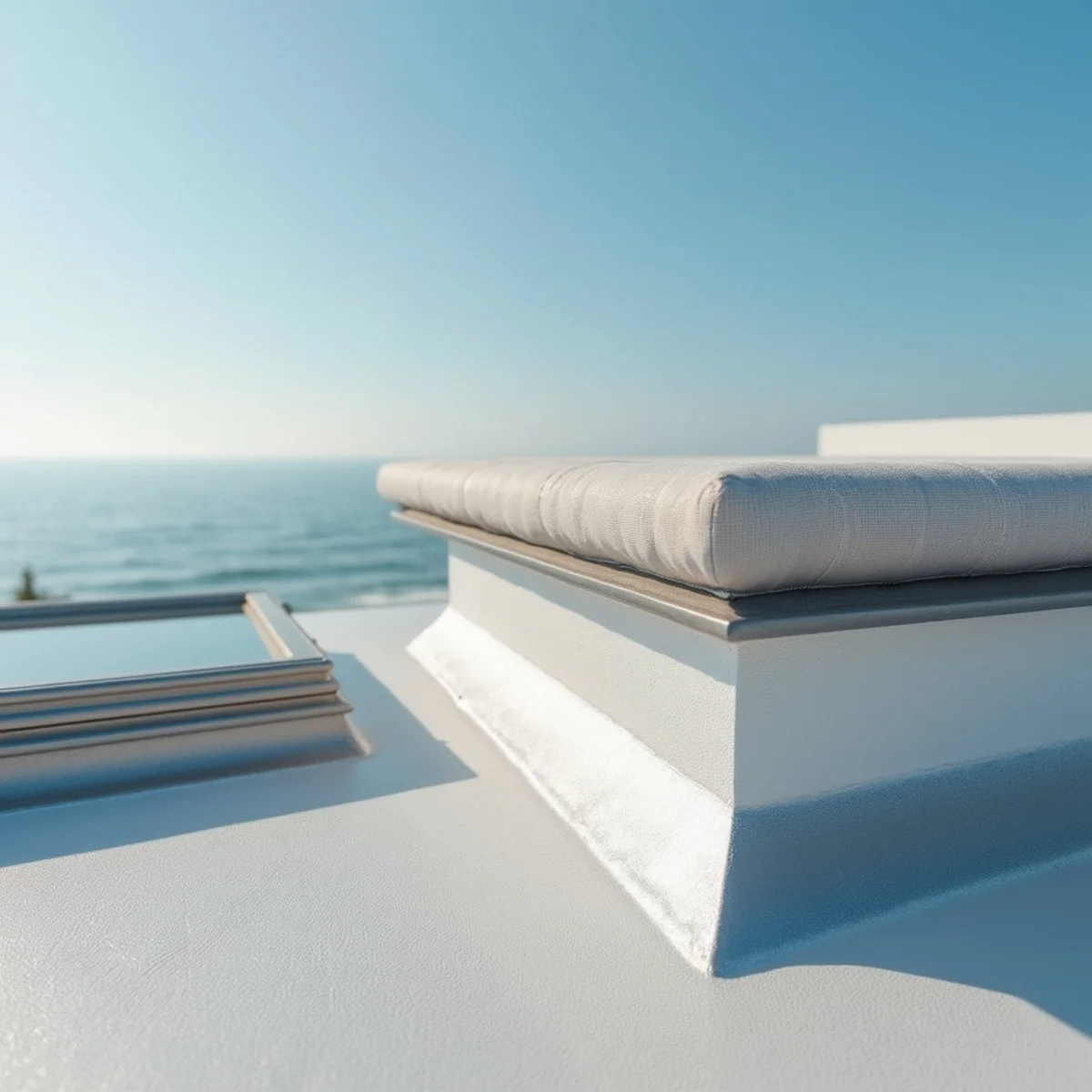
Common roofing materials in Solana Beach
- Corrosion-resistant metal
- Clay and concrete tile
- Flat and low-slope membranes
- High-wind-rated shingles
Repair or replacement?
Whether a repair or replacement makes sense depends on your roof's condition — not a rule of thumb. Try the Roof Condition Assessment or read our repair vs. replacement guide.
Permits & compliance
Roof replacements involving tear-off generally require a permit in California cities, and new roofs often must meet Title 24 cool-roof requirements. See our roofing permits guide for how the process works, and confirm current requirements with your local building department.
Solana Beach roofing FAQs
Effectively yes. Solana Beach is small and sits almost entirely within reach of the ocean, so salt air and marine moisture affect roofs across the city, not only at the beach. A home several blocks back from the bluff still lives in genuinely coastal conditions, which is why corrosion-resistant components make sense city-wide rather than just near the sand.
Corrosion-resistant metal and quality tile over sound underlayment both tend to perform well in coastal conditions, and flat sections need a membrane suited to a damp, salty, sunny setting. Because nearly the whole city is coastal, the best choice depends on your home's architecture and design goals more than on how far you are from the water.
Wind-appropriate installation and meticulous detailing at every edge, seam and penetration. Onshore wind at the bluff edge lifts poorly fastened roofing and drives salt spray into any weak point, so corrosion-resistant fasteners and flashing, plus careful work where roof planes and decks meet, carry more weight than the surface material alone.
On a tile roof, the tile usually outlasts the underlayment beneath it, the hidden water-resistant layer that does the actual waterproofing. In Solana Beach's damp coastal air that layer can wear out while the tile still looks sound from the street. The common fix is to lift the tile, renew the underlayment and flashing, and relay the same tile.
Yes, they are common on the city's mid-century and contemporary homes. They shed water by membrane and drainage rather than pitch, so the things to maintain are the seams, the flashing at parapet walls, and clear drains and scuppers. Keeping water moving off the roof instead of ponding on it is the key to a long-lasting low-slope roof here.
Shared buildings usually have shared roofs, so the decision and the cost are rarely one owner's alone. The work often spans units and falls under your homeowners association's rules and approval process. A practical first step is to check how your association divides roofing responsibility between the association and individual owners before planning anything.
They can be. California's energy code, Title 24, sets requirements that may apply when you replace a roof, and cool-roof surfaces that reflect sunlight can play a role. Because the coast is milder than the inland valleys, moisture and ventilation often matter as much as heat here. Since the standards are updated over time, confirm what currently applies with the city and a roofer working to the current code.
A permit is generally required for a re-roof that involves tearing off the old roofing, while minor repairs often do not. Requirements are set by the City of Solana Beach and can change, so confirm the current rules with the local building department before work begins. A roofer who works in the city regularly should handle the permit as a normal part of the job.
Services
Roofing Services Available in Solana Beach
Roof Repair
Targeted fixes for leaks, damaged shingles, broken tiles and failing flashing.
Learn moreRoof Replacement
Full-roof replacement with tear-off, deck inspection and coastal-ready installation.
Learn moreEmergency Roof Repair
Temporary protection and leak mitigation after storms, wind and sudden leaks.
Learn moreRoof Inspection
A documented look at your roof's condition, drainage, flashing and ventilation.
Learn moreRoof Maintenance
Proactive upkeep that catches small issues before they become expensive leaks.
Learn moreResidential Roofing
Repair, replacement, installation and maintenance for Oceanside homes.
Learn moreCommercial Roofing
Flat and low-slope systems, coatings and maintenance for Oceanside businesses.
Learn moreSolana Beach roofing
Get a Roof Estimate in Solana Beach
Tell us what you're seeing and we'll help you take the next sensible step.