Loading…
Roofing in Escondido, CA
Roofing Services in Escondido, CA
Escondido's inland valley location brings hot summers and a wide range of home ages. Wednora Roofers prioritizes heat management and durable materials for this larger North County city.
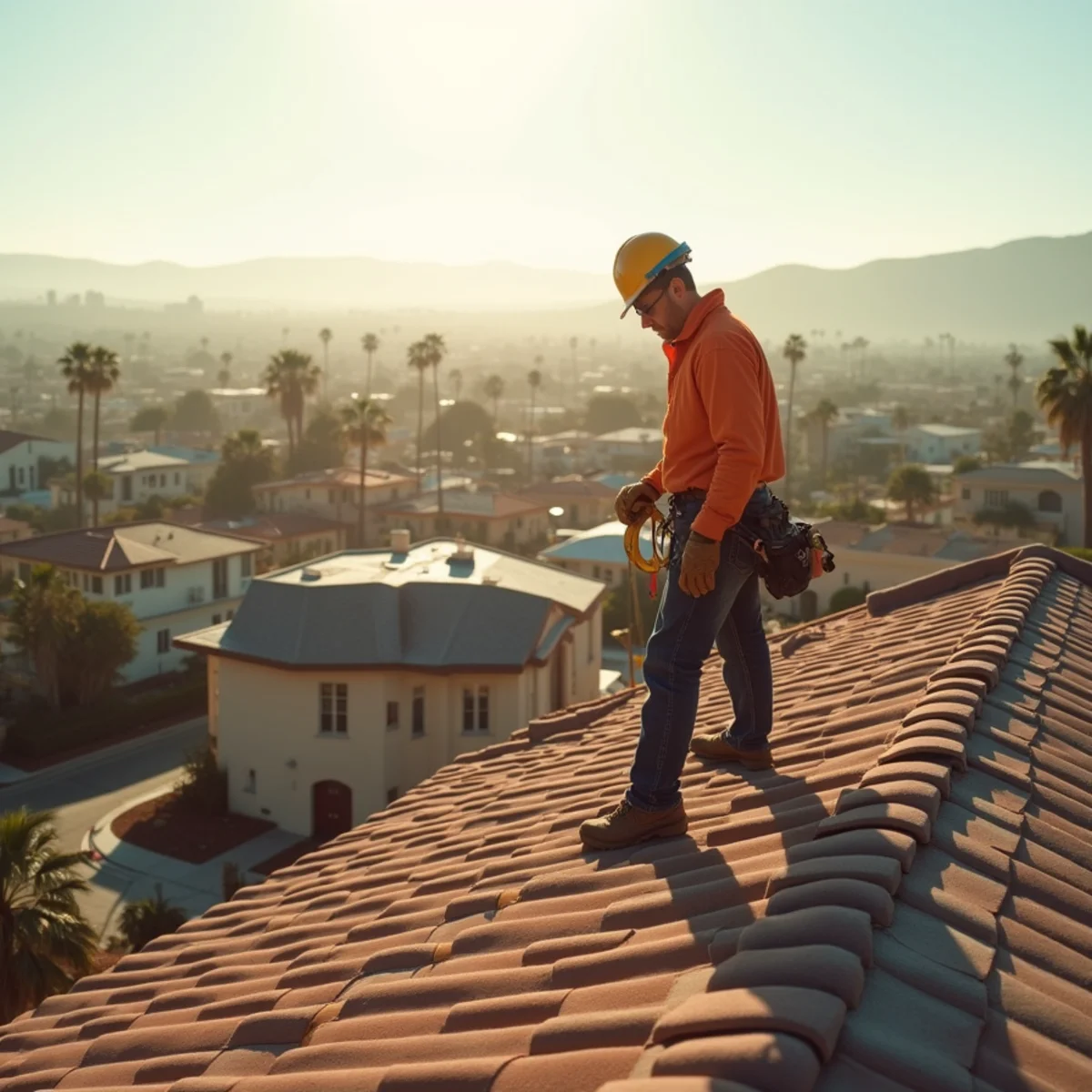
Escondido property & roofing context
Escondido spans historic downtown homes, mid-century neighborhoods, hillside properties and newer developments, plus a substantial commercial base. Tile, shingle and flat commercial roofs are all common.
Climate & exposure considerations
As an inland valley, Escondido experiences hot summers and strong sun with minimal salt exposure. Ventilation, cool-roof materials and heat-tolerant systems are key considerations.
Roofing in Escondido: What Local Homeowners Should Know
Escondido sits inland, ringed by the hills that give the city its sheltered feel and, for a roof, set the terms it has to meet. Tucked back from the coast, the city runs hotter than the beach towns to the west — the marine air that cools the shoreline reaches here thinner and later, so summer afternoons build real heat and the sun works a roof hard, month after month. For most homes in the city, that steady heat, not salt or heavy rain, is the pressure a roof lives with.
The other half of the picture is how varied Escondido's housing is. The city grew over many decades, so its roofs range from older homes near the historic downtown to mid-century neighborhoods, hillside properties, newer subdivisions and a sizable base of commercial buildings, with Spanish-style clay tile and asphalt shingle both common. The right answer here depends as much on when and where a home was built as on the material on top — and below we walk through what homeowners in Escondido tend to run into.
A city of many roofing eras
Few North County cities carry as wide a mix of building ages as Escondido, and it shows on the rooftops: near-century-old homes around the old downtown, whole mid-century neighborhoods, hillside and newer subdivisions, and commercial corridors adding flat and low-slope roofs on top of it all. Each era came with its own materials, framing and attic design, so a roof's age is one of the first things worth knowing. On older homes it is common to find a roof that has been added to over the years — a second layer over the first, patches from different decades, or tile sitting on underlayment far older than it looks — so an Escondido roof often holds more history under the surface than the top layer suggests.
Heat is the pressure that never lets up
Set inland, an Escondido roof trades the coast's salt air for something more relentless: heat. The surface bakes under strong sun by day and cools overnight, and that constant expansion and contraction — heat cycling — works on every material up there, while ultraviolet light breaks down the binders that keep shingles flexible. The tile or shingle you see is built to take it; the layers underneath bear the real cost. The clearest example is the underlayment — the water-resistant sheet over the wood decking that does the actual waterproofing once anything gets past the surface. Under a hot valley roof it grows brittle years before the tile above shows any wear, which is why a roof here can look sound from the street and still sit near the end of its life.
Attic ventilation: the quiet workhorse
If heat is the main adversary, attic ventilation is the most underrated defense against it. A well-vented attic breathes: intake vents low at the eaves pull cooler air in, and exhaust vents high near the ridge let the hottest air out. Balanced, they move heat out steadily; short on either side, the air stalls and a valley attic climbs far hotter than the day outside. That trapped heat bakes the underlayment from below, pushes cooling bills up as it radiates into the living space, and in the cooler months can feed condensation when warm attic air meets a cold roof deck. It is not something you notice from the curb, but on an inland roof it is one of the highest-value things to get right — so we check it alongside any repair or replacement, not as an afterthought.
Cool roofs, SRI and Title 24
Where heat leads, reflective roofing helps. A cool roof is rated by its Solar Reflectance Index, or SRI — a single number for how well a surface bounces sunlight back and sheds the heat it does absorb. Higher-SRI tile, shingle and coatings run cooler in the sun, which can lower the temperature of the deck and the rooms below through an Escondido summer; on wide commercial and low-slope roofs, a light reflective finish makes an even larger difference. California's Title 24 energy standards call for cool-roof performance on many new and replacement roofs, with exceptions tied to slope, insulation and roof type. Those standards are revised on a set schedule, so rather than assume a version applies, we confirm the current edition and how it fits your roof with the city building department, with no surprises later.
Living at the edge of the hills: fire and the roof
Escondido's setting against open hills and canyons is part of its appeal, and it also puts many neighborhoods in or near what planners call the wildland-urban interface — where homes meet undeveloped, brush-covered land. For a roof the practical point is calm and simple: the roof and its edges are the part of a house most exposed to windblown embers, which can travel well ahead of a fire and settle into gaps, gutters and vents. Roofing materials are grouped by fire resistance, the highest being a Class A rating that describes how the whole assembly — surface, underlayment and deck together — stands up to fire, which tile and certain systems can reach when built as a complete assembly rather than by the top layer alone. Ember-resistant vents, closed-off eaves, metal drip edges and clean valleys reduce the small openings where embers get in. Whether specific fire-hardening rules apply to your home depends on its designated fire hazard severity zone, which the City of Escondido or the local fire district can confirm.
Gutters, valleys and keeping the roof clear
The hills and mature trees that shade Escondido lots also drop a steady supply of leaves, needles and dry debris onto roofs, and that debris causes more trouble than it looks. In the valleys — the channels where two roof planes meet and shed the most water — a buildup can dam runoff and push it under the tile or shingle during a hard rain. In the gutters, packed material holds moisture against the fascia and, in fire season, gives drifting embers something to catch on. Keeping valleys and gutters clear is low-cost maintenance that protects the roof on two fronts at once — water in winter, ember risk in the dry months — and we flag debris traps and worn valley metal during any inspection.
Common roofing materials on Escondido homes
No single material suits every Escondido home, but a few show up again and again, each with its own strengths in this climate:
- Concrete and clay tile — the classic look on the city's Spanish-style homes. Tile handles heat and sun exceptionally well and can last a long time; the underlayment beneath is the part that eventually needs renewing, often while the tile itself is still usable and can be reset.
- Asphalt shingle — common on mid-century and newer homes for its lower cost and straightforward repair. Heat and UV are its main enemies here, so heat- and cool-rated shingles tend to hold up better through inland summers.
- Low-slope and flat membranes — found on commercial buildings and flat sections of homes, keeping water out through a continuous membrane and drainage rather than pitch, so their weak points are ponding, open seams and flashing rather than lifted pieces.
- Metal — chosen for its long life, heat performance and fire resistance, suiting contemporary designs and hillside homes where a non-combustible surface is a priority.
Older homes and what a tear-off can reveal
The homes that give Escondido's older neighborhoods their character ask for extra care when the roof comes due. On a house that has stood for decades, years of small leaks or trapped attic heat can quietly soften the wood decking beneath the roofing, and that damage usually stays hidden until the old roof is stripped off. So on an older home we raise the possibility early: if decking repair is needed once we can see the deck, we stop, show you what was found, and price the added work plainly before going further. Matching the look matters too — where an original tile profile or color is no longer made, we will walk you through the closest options so the roof keeps the character of the street rather than standing out from it.
Repair or replace? Judge the whole roof
One leak does not condemn a roof, and a tired roof is rarely saved by one more patch. The honest way to decide is to weigh the whole roof and its age rather than react to a single spot:
- A newer roof with isolated damage — a cracked tile, a lifted shingle, a failed sealant at a vent — is usually a straightforward repair.
- A roof that leaks in a new place each season, has been patched repeatedly, or has underlayment failing across the field is worth evaluating for replacement.
- On tile, the underlayment usually gives out long before the tile; sound-looking tile is not proof of a sound roof.
- Repeated repairs on a worn-out roof can add up to more than fixing the cause once, so look at the roof's overall condition, not just the newest leak.
When it makes sense to combine services
Because a re-roof opens up access that is expensive to arrange twice, it is often the natural moment to handle related work at once. Undersized attic ventilation is easiest to correct during a replacement, and aged or leak-prone skylights are cheaper to reflash while the roof is already open. If solar is anywhere in your plans, the roof should go first: mounting panels on a roof near the end of its life means paying to remove and reset them later, while a sound, solar-ready roof laid down first avoids that double cost. Gutters, fascia repair and fire-hardening details fold in for the same reason — one setup, no paying twice. Tell us early what you are weighing, and we will lay out what is worth combining and what is fine to leave for later.
Inspections, timing and local permits
Even a sound Escondido roof benefits from a regular look, and inland timing has its own logic. A yearly inspection is a sensible baseline, with an extra check after a strong wind event — a hot, dry Santa Ana can lift shingles or slide tile without producing a drip inside, so a roof can be compromised while looking fine from the street. Late summer into fall is a practical window: after the hottest stretch, before the winter rains, and a good time to clear valleys and gutters heading into both fire season and the wet months. Larger projects also carry local requirements worth knowing — a tear-off replacement generally needs a permit, fire hazard zones may set specific rules for the roof assembly, and Title 24 governs cool-roof performance on qualifying work. Because these change over time and depend on your address, we confirm current requirements with the City of Escondido building department, and the local fire authority where fire zones apply, so the roof is signed off cleanly.
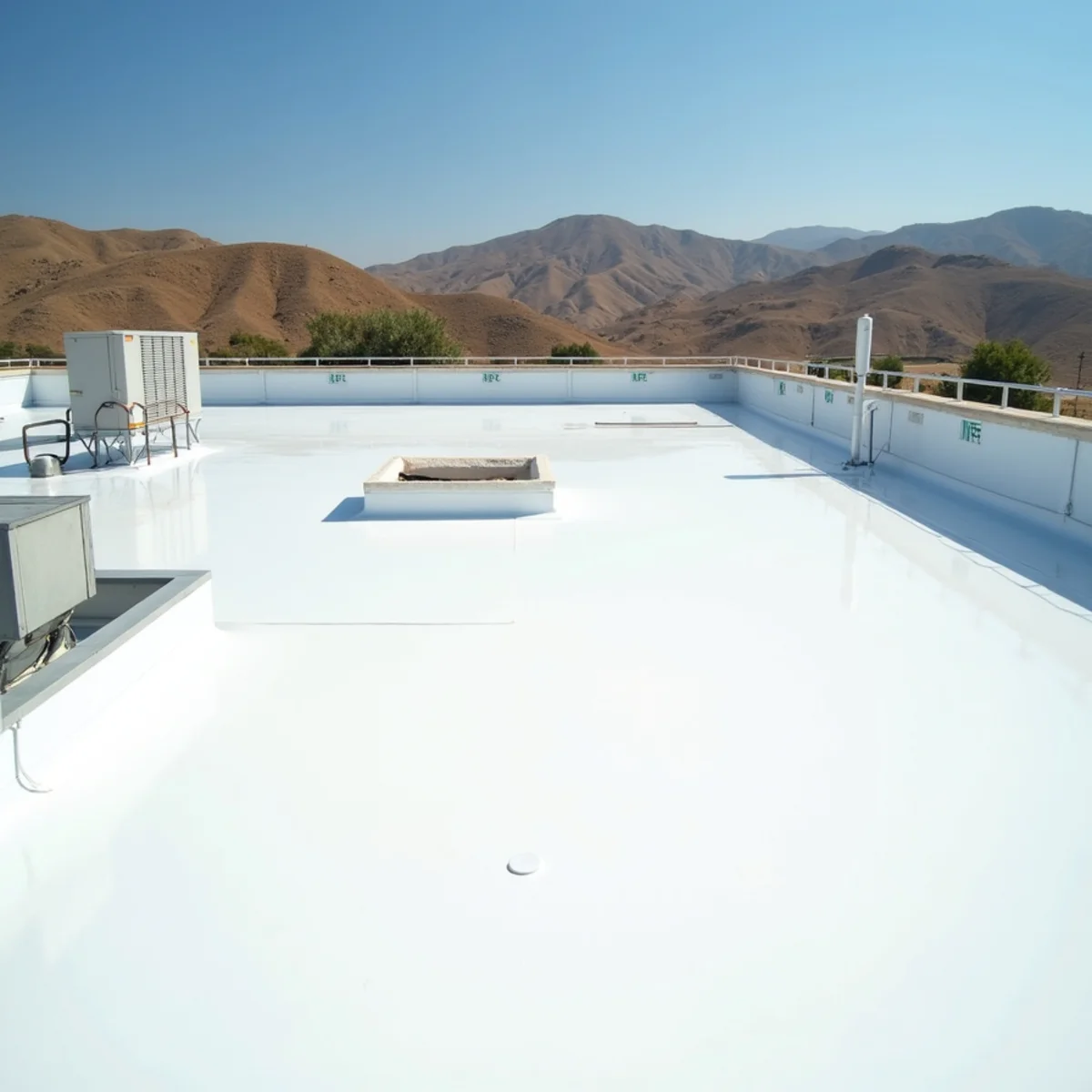
Common roofing materials in Escondido
- Concrete and clay tile
- Cool-roof asphalt shingles
- Metal roofing
- Flat and low-slope commercial membranes
Repair or replacement?
Whether a repair or replacement makes sense depends on your roof's condition — not a rule of thumb. Try the Roof Condition Assessment or read our repair vs. replacement guide.
Permits & compliance
Roof replacements involving tear-off generally require a permit in California cities, and new roofs often must meet Title 24 cool-roof requirements. See our roofing permits guide for how the process works, and confirm current requirements with your local building department.
Escondido roofing FAQs
It does. Set back from the coast, Escondido sees more heat and UV than the beach towns and far less salt air, so the useful questions lean toward heat management rather than corrosion. Attic ventilation, cool-roof-rated materials and a surface that handles sun well — tile and heat-rated shingle both qualify — tend to matter most on a valley roof.
For many neighborhoods near the surrounding hills, yes — calmly and in advance. The roof and its edges are the part of a house most exposed to windblown embers, so fire-resistant roofing categories, ember-resistant vents, enclosed eaves and clear gutters are all worth considering. Whether specific requirements apply depends on your home's fire hazard severity zone, which the City of Escondido or the local fire district can confirm.
Possibly. On a tile roof the tile can outlast the underlayment beneath it by many years, and that hidden water-resistant layer is what actually keeps water out. Under Escondido's heat it tends to grow brittle first, so sound-looking tile is not proof of a sound roof — the layer underneath is usually where age shows up first.
A replacement that tears off the old roof generally requires a permit, while minor repairs usually do not. Requirements change and can depend on your address and fire zone, so we confirm what currently applies with the City of Escondido building department before work begins.
California's Title 24 energy standards call for cool-roof performance on many new and replacement roofs, with exceptions tied to slope, insulation and roof type. Because the standard is updated on a cycle, we confirm the current edition and how it applies to your specific roof with the city building department rather than assuming a particular version is in force.
Yes. Escondido's commercial base means many roofs are flat or low-slope, keeping water out through a continuous membrane and drainage rather than pitch. Their usual trouble spots are ponding water, open seams and tired flashing, which are handled differently from a pitched home roof.
A yearly look is a sensible baseline inland, plus an extra check after a strong wind event, since a Santa Ana can lift shingles or shift tile without causing an immediate leak. Late summer into fall is a practical time — after the heat, before the winter rains, and a good moment to clear valleys and gutters.
Yes, and if solar is in your plans the roof usually goes first. Installing panels on a roof near the end of its life means paying to remove and reset them later, so putting a sound, solar-ready roof down first avoids that double cost. Tell us early and we will detail the roof for it.
In a valley that holds heat, ventilation quietly protects everything above it. Balanced intake at the eaves and exhaust near the ridge carry hot air out of the attic; when that airflow is blocked or lopsided, trapped heat bakes the underlayment from below, raises cooling costs and can feed winter moisture — so it is worth checking alongside any roof work.
Nearby service areas
Services
Roofing Services Available in Escondido
Roof Repair
Targeted fixes for leaks, damaged shingles, broken tiles and failing flashing.
Learn moreRoof Replacement
Full-roof replacement with tear-off, deck inspection and coastal-ready installation.
Learn moreEmergency Roof Repair
Temporary protection and leak mitigation after storms, wind and sudden leaks.
Learn moreRoof Inspection
A documented look at your roof's condition, drainage, flashing and ventilation.
Learn moreRoof Maintenance
Proactive upkeep that catches small issues before they become expensive leaks.
Learn moreResidential Roofing
Repair, replacement, installation and maintenance for Oceanside homes.
Learn moreCommercial Roofing
Flat and low-slope systems, coatings and maintenance for Oceanside businesses.
Learn moreEscondido roofing
Get a Roof Estimate in Escondido
Tell us what you're seeing and we'll help you take the next sensible step.