Loading…
Roofing in San Marcos, CA
Roofing Services in San Marcos, CA
San Marcos is a fast-growing inland North County city with many newer homes and planned communities. Wednora Roofers focuses on heat management, ventilation and cool-roof options that suit its warmer inland climate.
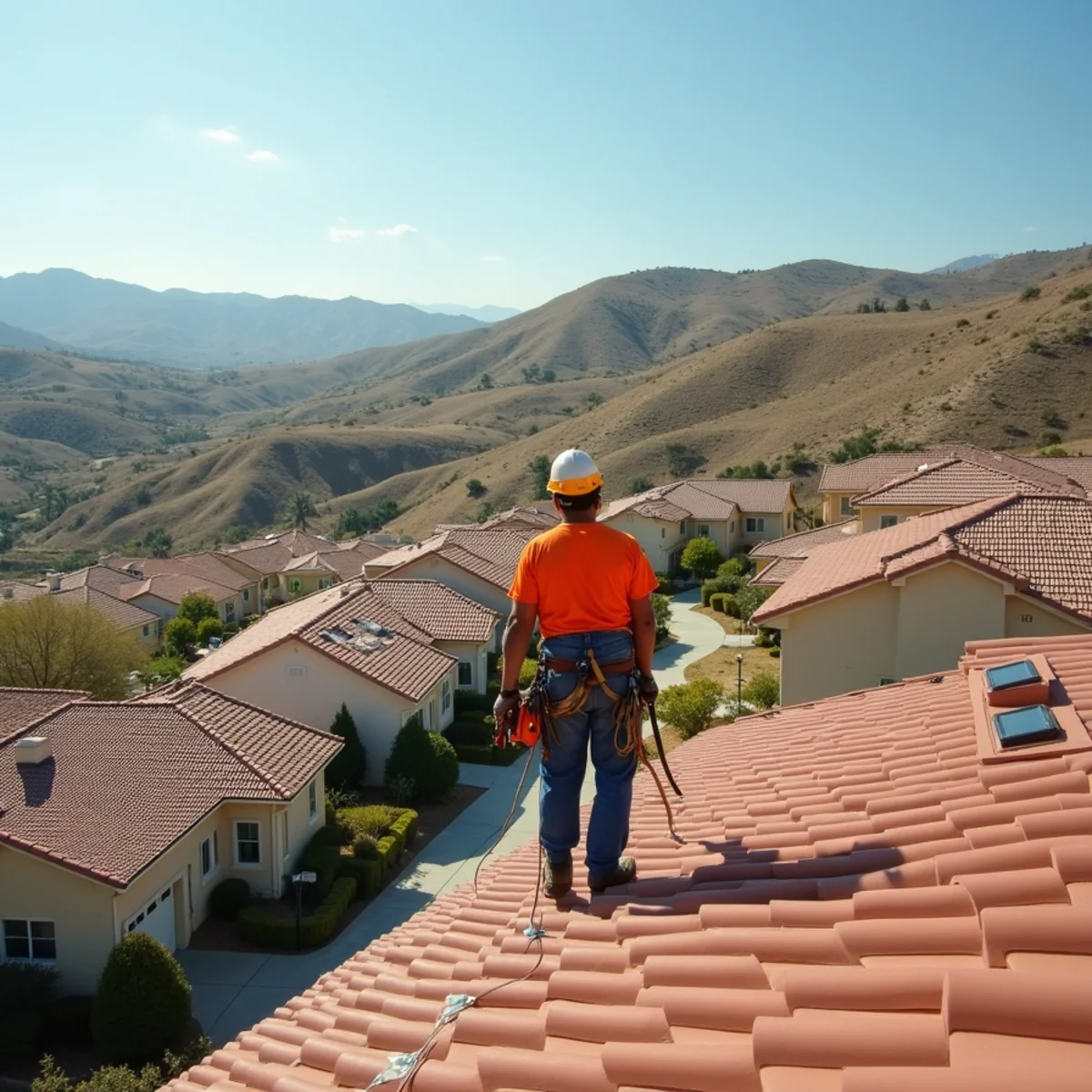
San Marcos property & roofing context
San Marcos has a high proportion of newer construction and HOA communities, alongside older neighborhoods and a growing commercial core. Tile is common on newer homes; flat sections appear on modern designs and commercial buildings.
Climate & exposure considerations
Inland heat is the dominant factor in San Marcos, with less coastal salt than the shoreline. Attic ventilation and cool-roof-rated materials are especially relevant, and Santa Ana winds can still cause damage.
Roofing in San Marcos: What Local Homeowners Should Know
San Marcos grew up quickly, and its rooftops show it. Much of the city was built out over the last few decades — across master-planned neighborhoods like San Elijo Hills, the newer streets toward Twin Oaks Valley, and infill closer to the older heart of town — so a large share of local roofs are still relatively young. That shifts the whole tone of a roofing conversation here. Most homeowners in San Marcos are not staring down a worn-out roof; they are looking after a young one that is doing its job and has reached the age where a few details start to ask for attention.
Set inland among rolling hills, San Marcos also trades the coast's salt for heat and sun — mostly. The bulk of the city runs warm and dry, with strong ultraviolet exposure and the daily heat cycling that ages a roof from above, while the western edge nearer the lagoon still catches a little marine influence. Add the Santa Ana winds that sweep down through the hills each fall and the wildland edges along the foothills, and a San Marcos roof is really shaped by heat, wind and fire far more than by salt.
A young housing stock, and what that means for your roof
Because so many San Marcos homes went up during the same building booms, their roofs tend to age together. A whole community can reach the same milestone within a few years of one another — the point where original builder roofs are past their break-in period and moving into the stretch where upkeep matters. If your street looks like your neighbors' street, your roof is probably on a similar clock, and a problem one homeowner runs into is often a preview of what the others will see soon.
For a newer-home owner, that is mostly good news. A roof ten or fifteen years old is no candidate for replacement. What it needs is the unglamorous work: periodic inspection, small repairs caught early, and a clear read on which parts of the roof age faster than the tile you can see from the street. Get that right and a young San Marcos roof holds up for a long time without drama.
Concrete tile and the layer that ages first
Concrete tile is the common sight on San Marcos's newer homes, and it is a durable, sun-tolerant choice — the tile itself sheds rain and shrugs off ultraviolet light for a very long time. But the tile is not the waterproofing. The real barrier is the underlayment beneath it: the water-resistant sheet laid over the wood decking that keeps water out once wind-driven rain slips under a tile. Builder-grade underlayment reaches the point of attention well before the tile ever looks worn.
That single fact runs against what the eye tells you, and it is the most useful thing for a local homeowner to understand. Flawless-looking tile can sit over underlayment that is drying out at the laps where the sheets overlap. The same goes for the sealant around pipes and vents and the metal flashing — the bent metal that seals where the roof meets a wall or turns through a valley — tucked into the low channels of the roof. Those details weather faster than the broad field of tile, and catching them early is what keeps a young roof from quietly becoming a leak.
West side, east side: San Marcos isn't one climate
San Marcos is wider than it looks in climate terms. The western edge, down toward San Elijo Lagoon, still gets brushed by the marine layer and ocean breezes on many mornings, while the eastern reaches near Twin Oaks Valley run hotter and drier and cool off more sharply in the evening. It is a modest gradient next to a true coast-to-inland run, but it is real, and it nudges roofing choices.
On the warmer, more sun-exposed side of town, heat management and reflectivity carry more weight; a roof there banks more solar load over the years. Nearer the lagoon, a touch more morning moisture makes ventilation and clean flashing details worth a closer look. Neither is dramatic, but a considered recommendation for a San Marcos roof accounts for where in the city a home actually sits rather than treating the whole map as one condition.
Heat, attic ventilation and cool-roof choices
Across most of San Marcos, heat is the force that does the quiet damage, which puts attic ventilation and roof reflectivity at the center of the story. Ventilation works as a pair: intake vents low at the eaves pull cooler air in, and exhaust vents high near the ridge let the hottest air out. Balanced, the two let an attic breathe and carry heat away from the underside of the deck; short on either side, hot air stalls beneath the roof and bakes the underlayment from below. On a newer home it is worth confirming the builder set that balance up well, because it quietly governs how long the roof lasts.
A cool roof adds more relief. It is rated by its Solar Reflectance Index, or SRI — a single number for how well a surface reflects sunlight and sheds the heat it does absorb — and higher-SRI tile, shingle and coatings can lower attic temperatures through a San Marcos summer. California's Title 24 energy standards call for cool-roof performance on many new and replacement roofs, with exceptions tied to slope and insulation. Because those rules are revised on a cycle, we confirm the current edition and how it applies with the city building department rather than assuming.
Roofing along the wildland edge
Parts of San Marcos meet open country — the foothills to the east, the ground near Elfin Forest, and the slopes above San Elijo Lagoon — and homes along those edges sit in what is called the wildland-urban interface, where houses and native brush meet. The state and the city maintain Fire Hazard Severity Zone maps that flag which parcels carry higher wildfire designations, and those maps have been redrawn in recent years, so it is worth checking where your specific property falls rather than assuming. Your zone can shape both what the building code requires and what an insurer expects at renewal.
For a roof, the wildland edge changes the priorities. The roof covering is a home's largest surface facing wind-borne embers, so a Class A fire rating — the highest fire-resistance class for roofing — and non-combustible materials like tile and metal are the sensible baseline here. Just as important are the edges and openings: ember-resistant attic vents, closed-off gaps at the eaves, and the details in the valleys and at the open ends of tile where embers like to lodge. Roof hardening works hand in hand with the defensible space around the house, and we will walk you through the parts that live on the roof itself.
Santa Ana winds and the rolling hills
The same dry winds that raise fire risk also work on the roof directly. Santa Ana events push down through the hills from fall into midwinter, and San Marcos catches them. On the ridgetop lots that give San Elijo Hills its views, that wind hits harder than it does for a house tucked in a valley, and it can lift shingles, crack or slide tile, and scatter debris without ever producing a drip inside.
That is the part homeowners most often underestimate: a roof can be quietly compromised by wind while looking perfect from the street, and the trouble only shows at the next rain. After a strong Santa Ana, a ground-level look for lifted shingles, shifted tile or loose debris is a few minutes well spent — and the right time to deal with anything out of place is before the winter rain arrives, not after.
Living inside HOA and community design standards
A lot of San Marcos sits within HOAs and master-planned communities that carry architectural guidelines, and roofing is one of the things those guidelines tend to govern. The approved material, the tile profile, and even the color may all be spelled out, which means a roof project here is partly a design-approval process and not only a construction one. A replacement that ignores the standards can turn into a dispute with the association later.
The practical path is to settle the design questions before ordering anything: know what your community allows, whether a like-for-like replacement still needs approval, and how close a match is required if your original tile profile or color has been discontinued. Older tile lines do go out of production, and when an exact match is not available we will walk you through the closest options first, so there are no surprises with the association or on the roof.
Repair, replacement, or just maintenance?
For most San Marcos homes, the honest first step is placing the roof on its own timeline. A young roof with sound tile and a couple of worn details needs a repair and a plan, not a tear-off. The case for doing more grows when a roof leaks in new spots each season, has been patched repeatedly, or shows underlayment that has given out beneath tile that is still perfectly good.
That last situation has a middle path that surprises people. Because concrete tile outlives the underlayment under it, a tile roof can often be renewed by carefully lifting the tile, replacing the worn underlayment and flashing, and relaying the same tile — a far smaller job than starting over, and one that keeps the approved look your community expects. Whether it fits depends on the tile's condition, so it is worth having the roof read before assuming the choice is simply repair or replace.
The growing commercial core and low-slope roofs
San Marcos is not only houses. A growing commercial core, the businesses that have followed Cal State San Marcos, and the city's newer mixed-use blocks bring a different kind of roof into the picture: wide, flat and low-slope roofs that keep water out through a continuous membrane and deliberate drainage rather than the pitch of a house roof. The failure points differ too — ponding water, open seams and tired flashing around rooftop units, rather than lifted shingles.
On these buildings the heat story is, if anything, larger. A broad, sun-exposed low-slope roof banks a lot of solar load, so a light, reflective surface can make a real difference to the space below and to cooling costs. Some homes near these corridors carry both roof types on one property — a tile house with a flat-roofed addition or garage — and each half deserves its own assessment.
When it pays to combine roof work
Because so many San Marcos roofs are relatively young, the smart moves are often about timing rather than urgency. If solar is on your horizon, it is worth making the roof solar-ready before panels go on, so you are not paying to remove and reset an array a few years later. If the attic ventilation was set up lean, an upgrade rides along most easily during other roof work. And along the wildland edge, fire-hardening details are cheapest to add while the roof is already open.
The through-line is that a young roof gives you the luxury of planning. Tell us what you are weighing for the next several years, and we will help you sequence it so the work happens once rather than three times — no surprises, and no paying twice for access to the same roof.
Permits and getting it right the first time
Roofing work in San Marcos runs through the local building department, and what is required depends on the scope. A full replacement that tears off the old roof generally calls for a permit; minor repairs usually do not. Because those rules — and the fire and energy codes behind them — change over time, we confirm what applies to your project with the City of San Marcos building department rather than working from memory.
- On a newer home, lean on inspection and early repairs; a roof in good shape rarely needs more.
- Have the underlayment, flashing and sealant checked even when the tile looks flawless — those details age first.
- If you live near the foothills, Elfin Forest or the lagoon, check where your parcel falls on the current Fire Hazard Severity Zone maps.
- Confirm your community's design standards, and whether a like-for-like replacement still needs association approval, before choosing materials.
- After any strong Santa Ana, look from the ground for lifted shingles or shifted tile and deal with it before the rains.
- For a full tear-off replacement, expect a permit to be required — confirm current requirements with the City of San Marcos building department.
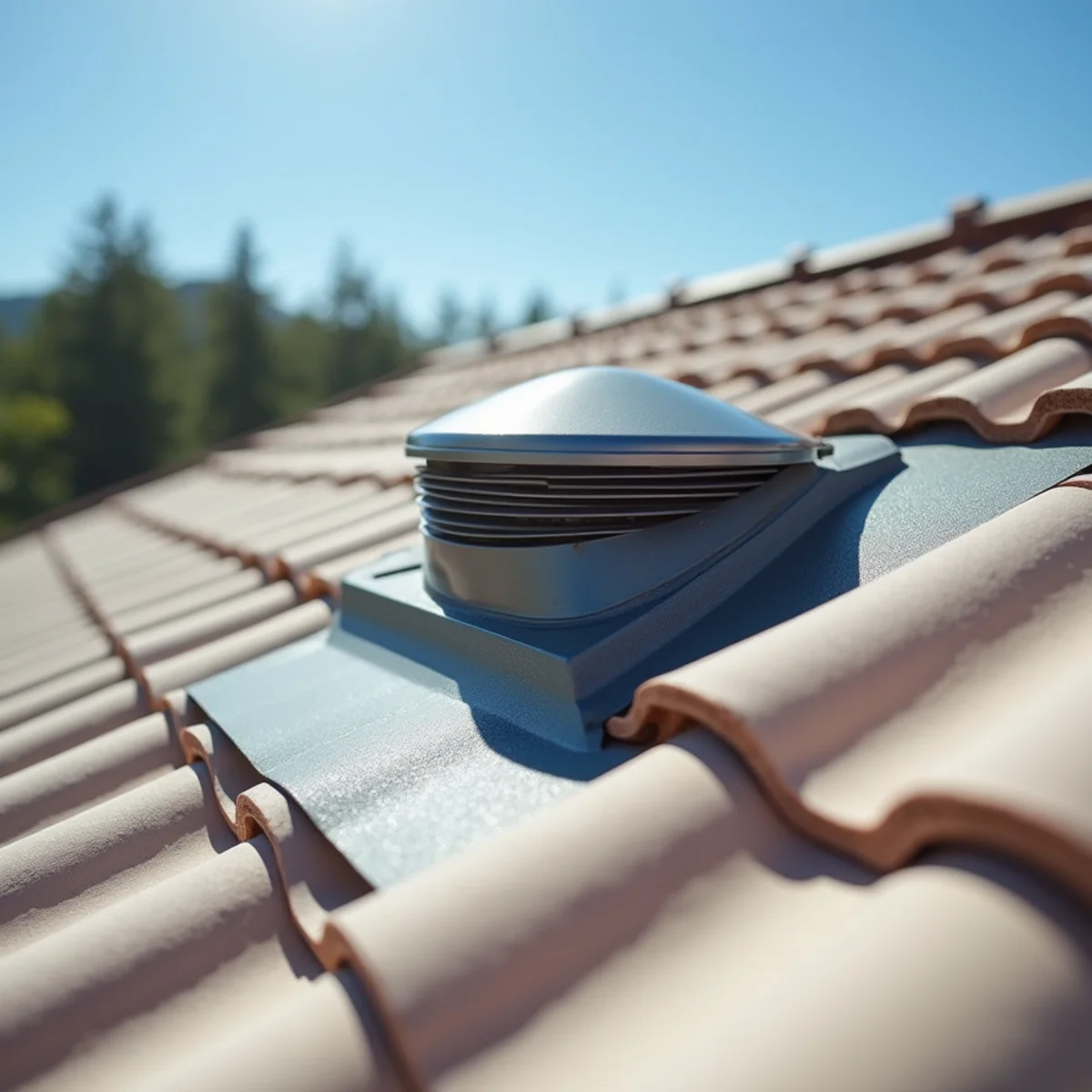
Common roofing materials in San Marcos
- Concrete tile
- Cool-roof asphalt shingles
- Metal roofing
- Flat and low-slope membranes
Repair or replacement?
Whether a repair or replacement makes sense depends on your roof's condition — not a rule of thumb. Try the Roof Condition Assessment or read our repair vs. replacement guide.
Permits & compliance
Roof replacements involving tear-off generally require a permit in California cities, and new roofs often must meet Title 24 cool-roof requirements. See our roofing permits guide for how the process works, and confirm current requirements with your local building department.
San Marcos roofing FAQs
Probably not a replacement, but it is not maintenance-free either. Around that age the tile is still fine while the underlayment, flashing and sealant at penetrations begin to earn a look. A periodic inspection and small, early repairs are usually all a young roof here asks for.
Parts of the city, especially near the eastern foothills, Elfin Forest and the slopes above San Elijo Lagoon, sit in higher Fire Hazard Severity Zones. The state and city maintain those maps and have updated them in recent years, so check where your parcel falls. Where risk is higher, a Class A fire rating, non-combustible materials and ember-resistant vents and edges are the sensible baseline.
Because on a tile roof the tile is not the waterproofing — the underlayment beneath it is. That water-resistant layer, along with the sealant and valley flashing, ages faster than the tile and can be drying out or worn while the tiles above still look flawless. Catching it early keeps a small issue from turning into a leak.
Often, yes. Many San Marcos communities have architectural guidelines that govern the roofing material, tile profile and color. A roof project can involve association approval as well as construction, so it helps to confirm what is allowed and how close a match is required before ordering materials.
For most of the city, where inland heat dominates, reflective roofing can lower attic temperatures and ease summer cooling. Cool-roof performance is also required on many new and replacement roofs under California's Title 24 standards, with exceptions tied to slope and insulation. Because the standard is revised on a cycle, we confirm the current edition with the city building department.
It does, modestly. The western edge toward the lagoon still catches some marine layer and morning moisture, while the east near Twin Oaks Valley runs hotter and drier. A sound recommendation accounts for your home's exposure — leaning more on reflectivity and heat management on the sunnier side, and on ventilation and flashing details where mornings stay damp.
Often, yes. Because concrete tile typically outlives the underlayment beneath it, a tile roof can be renewed by lifting the tile, replacing the worn underlayment and flashing, and relaying the same tile. It is a smaller job than a full replacement and keeps the approved community look, though whether it fits depends on the tile's condition.
Yes. San Marcos's growing commercial core and mixed-use buildings often have flat or low-slope roofs that keep water out through a continuous membrane and drainage rather than pitch. Those roofs age differently — ponding, open seams and tired flashing are the usual issues — and a light, reflective surface can meaningfully cut heat gain on a wide roof.
A permit is generally required for a replacement that involves a full tear-off, while minor repairs usually do not need one. Requirements and the fire and energy codes behind them change over time, so confirm what applies to your project with the City of San Marcos building department before work begins.
Services
Roofing Services Available in San Marcos
Roof Repair
Targeted fixes for leaks, damaged shingles, broken tiles and failing flashing.
Learn moreRoof Replacement
Full-roof replacement with tear-off, deck inspection and coastal-ready installation.
Learn moreEmergency Roof Repair
Temporary protection and leak mitigation after storms, wind and sudden leaks.
Learn moreRoof Inspection
A documented look at your roof's condition, drainage, flashing and ventilation.
Learn moreRoof Maintenance
Proactive upkeep that catches small issues before they become expensive leaks.
Learn moreResidential Roofing
Repair, replacement, installation and maintenance for Oceanside homes.
Learn moreCommercial Roofing
Flat and low-slope systems, coatings and maintenance for Oceanside businesses.
Learn moreSan Marcos roofing
Get a Roof Estimate in San Marcos
Tell us what you're seeing and we'll help you take the next sensible step.