Loading…
Roofing in Del Mar, CA
Roofing Services in Del Mar, CA
Del Mar's beachfront and bluff properties face some of the most demanding coastal conditions in the region. Wednora Roofers focuses on maximum corrosion resistance and meticulous detailing here.
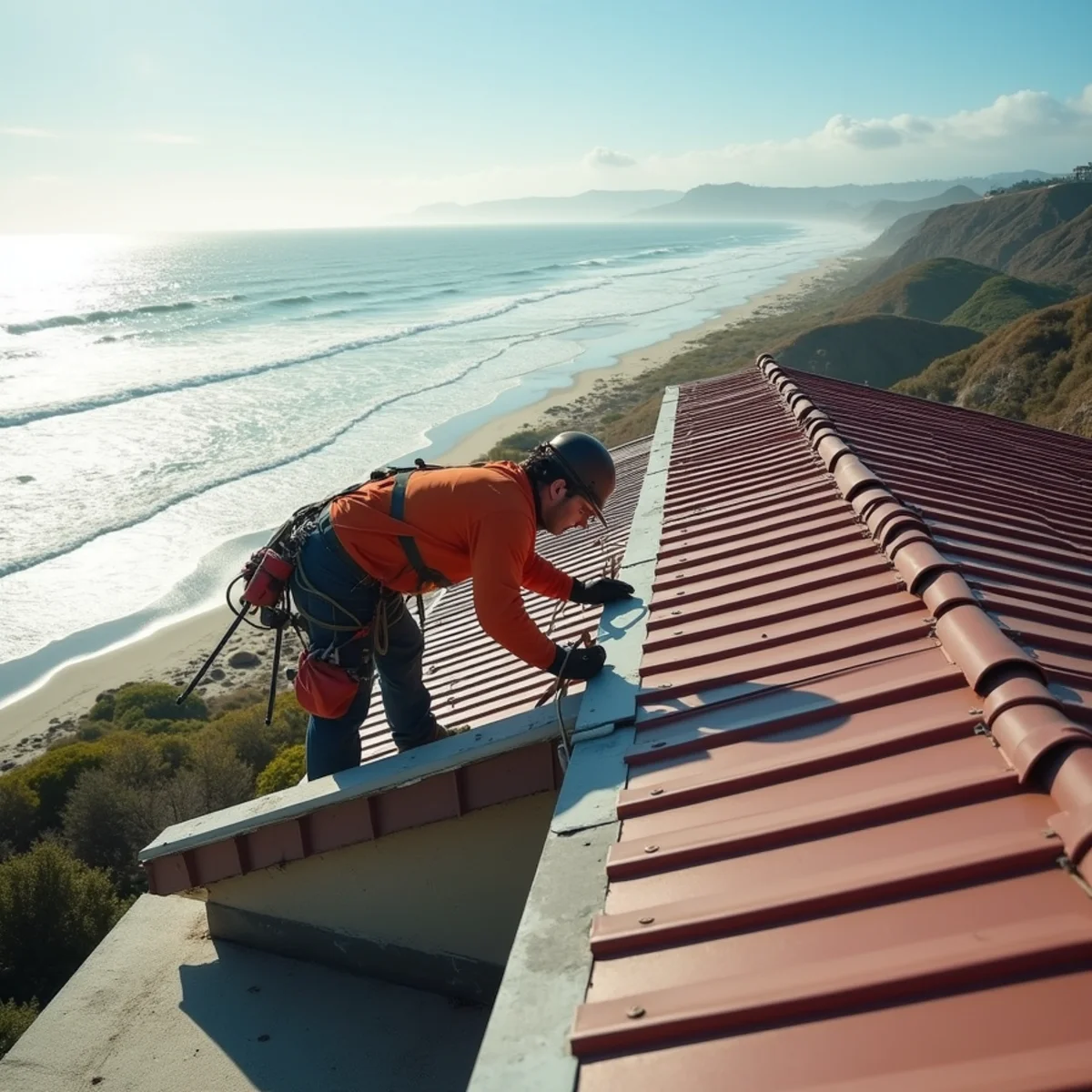
Del Mar property & roofing context
Del Mar is known for high-end coastal homes, bluff properties and custom architecture, frequently using metal, tile and modern flat roofs. These homes demand materials and components that stand up to direct ocean exposure.
Climate & exposure considerations
Beachfront Del Mar experiences intense salt spray, moisture and sun. Corrosion-resistant alloys, high-temperature underlayments and careful flashing detailing are essential.
Roofing in Del Mar: What Local Homeowners Should Know
Del Mar is the smallest of the North County beach towns and, for a roof, one of the hardest places to live. The whole city runs a narrow strip along the water, hemmed by the San Dieguito Lagoon to the north and the Los Penasquitos Lagoon to the south, with the bluffs and beachfront out front and the racetrack and fairgrounds set back on the higher ground. There is no far, dry side of town where the ocean stops mattering. Salt air reaches essentially every home, and the ones out on the bluff and the sand take it at full strength.
That exposure lands on a housing stock that is largely one-of-a-kind. Del Mar is known for custom, architect-designed homes -- beachfront moderns, bluff houses built around the view, and distinctive older bungalows in Olde Del Mar -- rather than the repeated floor plans of a tract. The result is a roofing picture with two constants and little else: the most demanding coastal exposure in the county, on some of its least standardized roofs. Understanding both is where any honest plan for a Del Mar roof begins.
The exposure Del Mar roofs actually face
It helps to separate the forces at work, because they are not the same thing. Salt-laden air is the background condition everywhere in town; it settles on metal and slowly corrodes it. Salt spray -- the fine mist thrown off the surf -- is heavier and more aggressive, and along the beachfront and bluff it lands directly on roofs, fasteners and flashing. On top of that sits the marine layer, the low morning cloud and fog that can keep a roof damp for hours after inland homes have dried, and the onshore wind that drives both salt and moisture into any seam that is not sealed. A Del Mar roof rarely fails from one of these alone. It ages from all of them working together, year after year.
How Del Mar's homes shape the roofing conversation
Because so much of Del Mar was designed house by house, no single roof stands for the town. The older bungalows of Olde Del Mar carry modest, often much-remodeled roofs where additions meet the original at transitions that need careful flashing. The beachfront and bluff moderns lean toward clean lines, low-slope planes and rooftop decks angled at the water. Custom homes on the higher ground near the racetrack and fairgrounds sit a little further from the spray and can carry a wider range of materials and shapes. Placing your home in that spread -- how exposed it is, how complex the roofline, how it was originally built -- matters as much as the fact that it is in Del Mar.
Roof types you will commonly find in Del Mar
Del Mar homes wear a mix of roofing, and each type behaves differently in salt and sun. A few show up often enough that it is worth knowing the trade-offs going in:
- Metal roofing, frequently standing-seam, on contemporary and bluff homes -- durable and clean-lined near the water, but only when the alloy is chosen for salt rather than for looks.
- Clay and concrete tile on Mediterranean and Spanish-influenced homes -- long-lived on the surface, with the underlayment underneath (the water-resistant layer that does the actual waterproofing) setting the real replacement timeline.
- Flat and low-slope membranes on modern designs and additions, where a continuous waterproof surface and deliberate drainage replace steep pitch.
- Occasional specialty materials such as natural slate or architectural metals on high-end custom homes, which reward close matching and careful handling when repaired.
Why corrosion resistance decides a Del Mar roof's lifespan
On most roofs the covering is the headline and the metal is a detail. In Del Mar it is the other way around. Fasteners and flashing -- the nails that hold the roof down and the metal seals at its joints, edges and penetrations -- are what salt attacks first, and once a fastener loses its grip or a piece of flashing stops sealing, water gets in no matter how good the surface above it looks. Standard galvanized parts that might last decades a few miles inland can corrode early right on the water, which is why homes here lean on corrosion-resistant grades of metal chosen specifically for salt.
There is a second, quieter trap: putting two incompatible metals in contact. When dissimilar metals touch in a damp, salty setting they can speed each other's corrosion -- so matching the alloys across flashing, fasteners, gutters and vents, and keeping the wrong pairs apart, is part of building a roof that lasts here. It is invisible on a finished roof, and it is often the difference between one that endures and one that disappoints.
Ventilation and the marine layer's quiet work
Del Mar's roofing problems are not mainly about heat, the way they are inland. The bigger issue here is moisture. The marine layer keeps humidity high and roofs damp, and without steady attic ventilation that moisture can collect underneath -- on the decking (the wood sheathing beneath the roofing) and the framing -- where it invites rot and shortens the life of everything above it. Good intake and exhaust venting lets the underside of the roof dry out between fogs. The sun is still strong on the coast, so cool-roof surfaces -- finishes designed to reflect sunlight rather than absorb it -- can be worth weighing, and the current state energy code may steer material choices on a new roof. Those standards change over time, so it is worth confirming what applies when you build.
Repair or replace? Reading a Del Mar roof
Not every problem calls for a new roof, and near this coast the right call depends on what is failing. A cracked tile, a lifted metal panel or a tired stretch of flashing is often a repair, especially on an otherwise sound roof. What pushes a Del Mar home toward replacement is usually the hidden layer: underlayment that has grown brittle, flashing corroded past resealing, or decking softened by years of marine moisture. Because the surface can look presentable while the layers beneath it reach the end of the line, a Del Mar roof is best judged from the inside out. We will walk you through what we find and lay repair and replacement side by side, with no surprises, so the choice is yours to make with the full picture.
Flat and low-slope sections on contemporary homes
The modern architecture common in Del Mar puts a lot of roof in the flattest, most exposed places. Low-slope and flat sections rely on a continuous waterproof membrane and careful drainage rather than pitch to shed water, so their failure points are different: ponding (water that sits instead of draining away), seams that separate, and flashing that wears at parapet walls and rooftop decks. Homes built around ocean views often have several of these sections stitched together with the pitched parts of the roof, and each transition is a detail to get right. Keeping drains and scuppers clear and watching the seams goes a long way toward heading off the leaks these roofs are prone to.
Bluff-top and beachfront homes have their own rules
Homes out on the bluff and along the sand face the hardest version of everything already described, plus a few concerns unique to their setting. Onshore wind hits the bluff edge with little to slow it, working at roof edges and testing every fastener, so wind-appropriate installation and meticulous edge detailing matter more here than almost anywhere. Bluff-adjacent properties also sit within the city's coastal bluff protections, and work on them can involve setbacks and geotechnical review that reach well beyond the roof itself. None of that is a roofing decision, but it can shape timelines and approvals, so it is worth raising early and confirming with the City of Del Mar.
Design review, permits, and coastal rules
Del Mar takes the look of its homes seriously, and many projects pass through a design review process that can weigh the color, profile and material of a visible roof. For a replacement that changes how the roof reads from the street, that review can rule some options in or out, so it is worth understanding before you fall for a particular tile or metal. Permits are a separate matter: a tear-off and replacement generally requires one, minor repairs often do not, and homes in the coastal zone can carry added requirements. Rather than guess, we confirm the current rules with the City of Del Mar's building department for your specific address, since requirements change and every parcel is a little different.
When it makes sense to combine roofing with other work
Because a Del Mar roof is a real investment, it is worth thinking about what else touches it before the work is done. If solar is anywhere in your plans, building the roof to be solar-ready -- or replacing an aging roof first -- avoids paying later to pull panels off and reset them. The same logic applies to skylights, rooftop decks, new vents and gutters: coordinating them while the roof is open is cheaper and cleaner than opening it twice. Telling us early what you are considering lets us detail the roof for it from the start.
Planning a roof built for Del Mar
For a home in Del Mar's exposure, the honest advice is to spend where it counts. Corrosion-resistant fasteners and flashing, quality underlayment and careful detailing do more for how long your roof lasts than the surface material alone -- a beautiful covering over the wrong hardware will not reward you in salt spray. Beachfront and bluff homes benefit most from systems proven in direct marine exposure; custom homes further back near the fairgrounds can weigh a slightly wider range as the spray eases. Whatever your home's design, we will walk you through what stands up to Del Mar's salt, fog and wind and what only looks the part, so the roof you invest in is built for this place from the fasteners up.
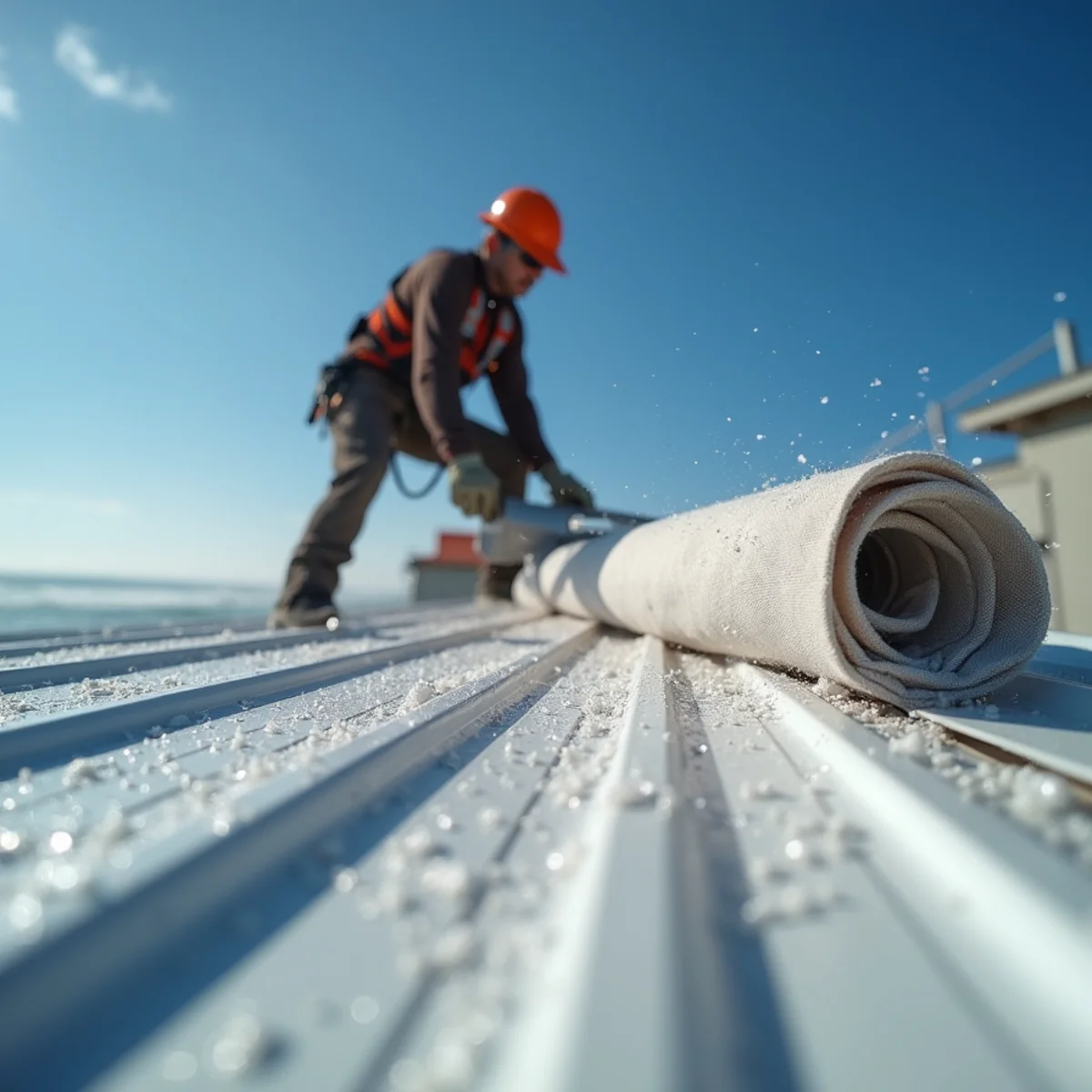
Common roofing materials in Del Mar
- Corrosion-resistant metal
- Clay and concrete tile
- Flat and low-slope membranes
Repair or replacement?
Whether a repair or replacement makes sense depends on your roof's condition — not a rule of thumb. Try the Roof Condition Assessment or read our repair vs. replacement guide.
Permits & compliance
Roof replacements involving tear-off generally require a permit in California cities, and new roofs often must meet Title 24 cool-roof requirements. See our roofing permits guide for how the process works, and confirm current requirements with your local building department.
Del Mar roofing FAQs
Del Mar packs several forces into one small town. Salt-laden air reaches nearly every home, and along the beachfront and bluff, salt spray thrown off the surf lands directly on roofs and their metal parts. Add a persistent marine layer that keeps roofs damp and onshore wind that drives moisture into seams, and roofing components here work harder than they would just a few miles inland.
Corrosion-resistant metal and quality tile set over sound underlayment both earn their place in Del Mar's exposure. Metal suits contemporary and bluff homes; tile suits Mediterranean and Spanish styles. The right choice depends on your home's design and exactly how much salt spray it takes, which is why we look before recommending rather than the other way around.
Look past the surface. A few cracked tiles or a lifted panel is often a repair. What points toward replacement is the hidden layer -- brittle underlayment, corroded flashing, or decking softened by marine moisture -- which can be failing while the roof still looks presentable from the street. A roof this close to the water is best judged from the inside out, and we will show you what we find before you decide.
A tear-off and replacement generally requires a permit, while minor repairs often do not. Homes in the coastal zone can carry added requirements. Because rules change and every parcel differs, we confirm what applies to your address with the City of Del Mar's building department rather than assume.
Possibly. Del Mar reviews the appearance of many homes, and a roof change that alters the color, profile or material visible from the street can fall under that process. It is worth understanding before you settle on a look, since it can rule some options in or out. We will help you check what applies to your property with the city.
They can be. Properties along the bluff sit within the city's coastal bluff protections, which can involve setbacks and geotechnical review that reach beyond the roof itself. Those are not roofing decisions, but they can affect timelines and approvals, so we raise them early and confirm the specifics with the City of Del Mar.
Yes. On the coast the bigger enemy is moisture, not heat. The marine layer keeps humidity high, and steady attic ventilation lets the underside of the roof dry out between fogs, protecting the decking and framing from the damp that shortens a roof's life. Ventilation matters here even when the temperature is mild.
Yes, and it is worth planning early. If solar is in your future, building the roof to be solar-ready -- or replacing an aging roof before panels go on -- avoids paying later to remove and reinstall them. The same goes for skylights, decks and new vents. Tell us early so we can detail the roof for what is coming.
Nearby service areas
Services
Roofing Services Available in Del Mar
Roof Repair
Targeted fixes for leaks, damaged shingles, broken tiles and failing flashing.
Learn moreRoof Replacement
Full-roof replacement with tear-off, deck inspection and coastal-ready installation.
Learn moreEmergency Roof Repair
Temporary protection and leak mitigation after storms, wind and sudden leaks.
Learn moreRoof Inspection
A documented look at your roof's condition, drainage, flashing and ventilation.
Learn moreRoof Maintenance
Proactive upkeep that catches small issues before they become expensive leaks.
Learn moreResidential Roofing
Repair, replacement, installation and maintenance for Oceanside homes.
Learn moreCommercial Roofing
Flat and low-slope systems, coatings and maintenance for Oceanside businesses.
Learn moreDel Mar roofing
Get a Roof Estimate in Del Mar
Tell us what you're seeing and we'll help you take the next sensible step.