Loading…
Oceanside Neighborhoods
Roofing in Arrowood, Oceanside
Arrowood is a newer master-planned community in northeastern Oceanside, built around a golf course, with consistent architecture and HOA design standards. Roofing here typically involves newer tile roofs and community guidelines.

Common property styles
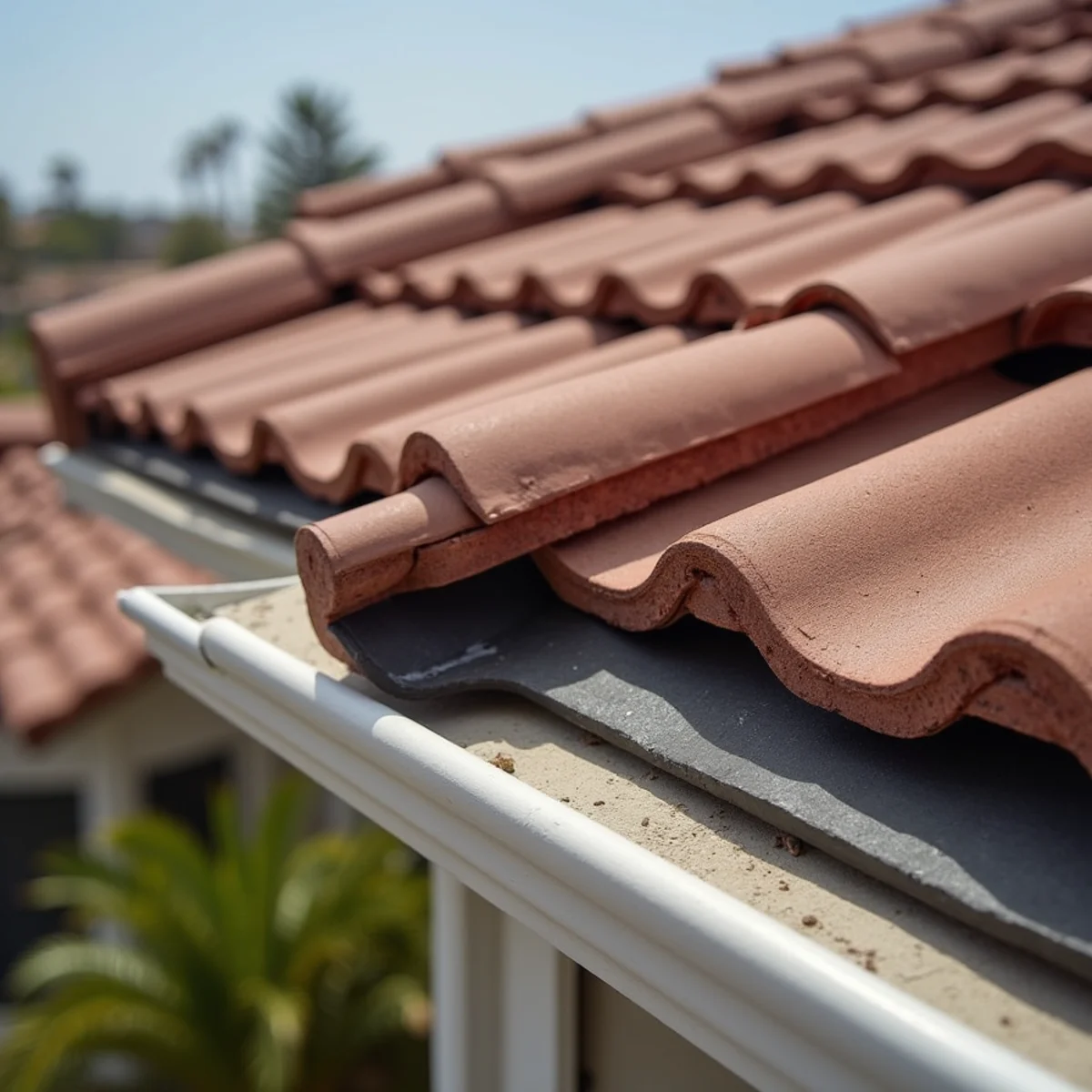
Arrowood features newer single-family homes with concrete tile roofs and cohesive, HOA-governed architecture.
Roofing materials you'll see here
- Concrete tile
- Cool-roof-rated tile and shingle options
Exposure considerations
Set inland in northeastern Oceanside, Arrowood experiences more heat and less salt. Cool-roof materials and attic ventilation are relevant for its newer homes.
Maintenance guidance
Even newer Arrowood roofs benefit from periodic inspection to protect warranties and catch small issues. HOA guidelines will shape any material or color changes.
Roofing Considerations Specific to Arrowood
Arrowood sits in the northeastern corner of Oceanside, laid out as a single master-planned community around the golf course at its center. Because the neighborhood was built out over a fairly short span, whole streets carry homes of a similar age, and most of them wear the same concrete tile roof — a choice that keeps the community's look consistent and meets the architectural standards owners here agree to. For most homeowners that means a roof still in good middle age: past its early years, doing its job well, and only now reaching the point where the small, hidden details begin to earn attention. The work in Arrowood is rarely a rescue; more often it is a matter of keeping a sound roof sound.
What sets Arrowood apart from an ordinary inland tract is the course it wraps around. A golf-course setting is green, open and mature, and each of those qualities shapes what a roof faces — the debris that gathers in the valleys, the irrigation that keeps the surrounding air damp, and the sun and wind that sweep unobstructed across open fairways. Set well inland from the water, Arrowood sees far more heat and strong sun than corrosive salt air, so day to day it is the sun overhead, not the ocean, that does the aging here.
A golf-course setting changes what a roof faces
Living on or near a course brings a few roofing wrinkles a denser, treeless subdivision never deals with. The mature trees and landscaping that make the setting attractive also shed leaves, needles and seed litter, and much of it lands in the valleys — the V-shaped channels where two roof planes meet and carry the most water — and in the gutters below. Where that debris piles up it forms a small dam, and water that should run off instead backs up and works its way under the tile.
The irrigation that keeps fairways and yards green adds a quieter factor: it holds the air around these roofs damper than the dry inland average. Damp, shaded surfaces dry slowly, and slow-drying spots — north-facing planes, valleys shadowed by trees — are where moss and algae are most likely to take hold. Neither is an emergency, but both trap moisture against the roof, so keeping valleys and gutters clear is the single most valuable habit for a roof in this setting.
- Clear leaves, needles and seed litter from valleys and gutters through the season, especially where trees overhang the roof.
- Watch shaded, slow-drying planes and valleys for the green or black film of moss or algae, and have it cleared gently rather than pressure-blasted.
- Check that downspouts and gutter outlets stay open, so the water the roof sheds actually leaves the property instead of pooling at the eaves.
The concrete tile Arrowood was built with
The concrete tile across Arrowood was a deliberate builder choice: it holds a consistent profile and color from house to house, it stands up well to sun and heat, and it is one of the most durable roofing surfaces made. Left to shed rain and sunlight, the tile itself lasts a long time. That durability is genuine — but it also hides the part of the roof that actually ages.
The layer beneath the tile that ages first
Under the tile lies the underlayment — a water-resistant sheet laid over the wood decking that does the real waterproofing once wind-driven rain slips past the tile surface. It is the underlayment, not the tile, that decides when a tile roof needs work. Builder-grade underlayment tends to reach the end of its useful life well before the tile above shows any wear, and years of inland heat baking down through the tile only hurry it along. Because it sits out of sight, a crisp-looking tile roof is not proof of a sound roof.
The good news is in how a tile roof is renewed. When the underlayment gives out, the tile is usually lifted off carefully, set aside, and relaid over fresh underlayment — so the original tile, in the exact profile and color the community expects, generally goes back on. That matters more in Arrowood than in most places, because it keeps a roof within the HOA's look without hunting for a match.
Inland heat, sun and attic ventilation
Because Arrowood runs hotter than the neighborhoods nearer the coast, heat is the steady pressure on every roof here — and that is where attic ventilation quietly earns its keep. Good ventilation is a balanced pair: intake vents low at the eaves draw cooler air in, and exhaust vents high near the ridge let the hottest air out. When that balance is right, heat and moisture leave the attic instead of building under the decking and cooking the underlayment from below.
On a newer home it is worth confirming the builder set that balance up well and that nothing — added insulation, a later remodel — has since blocked the intake. Ventilation is easy to overlook precisely because it works silently, but it is one of the highest-value things to get right, since it affects how long everything above it lasts.
Cool-roof options and California's energy rules
When a replacement eventually comes due, it is the natural moment to weigh cool-roof materials. A cool roof is rated by its Solar Reflectance Index, or SRI — a measure of how well a surface reflects sunlight and sheds the heat it absorbs — and higher-SRI tile and shingle can lower attic temperatures and ease the load on summer cooling. In an inland spot like Arrowood, where the sun does the aging, that reflectivity earns its place.
California's Title 24 energy standards call for cool-roof performance on many replacement roofs, with exceptions tied to slope and insulation. Those standards are revised on a cycle, so the edition in force when you re-roof — and whether your project needs a permit — is worth confirming with the City of Oceanside rather than assumed. Because Arrowood's standards also guide material, profile and color, a cool-roof product has to satisfy both the energy rules and the community's look, so it helps to know what the HOA allows before anything is ordered.
Wind and sun across the open fairways
Open ground cuts both ways. A home that backs onto a fairway enjoys the view and the space, but it also stands more exposed to sun and wind than a house sheltered by neighbors on every side. Hot, dry Santa Ana winds reach this far inland and sweep unobstructed across the course, and strong gusts can lift or shift a tile even on a well-built roof. That exposure also means roof planes age at different speeds — a slope facing the afternoon sun weathers faster than one kept in shade, so it is normal for one side to show its years before the other. After a strong, dry blow, a ground-level look for shifted, slipped or cracked tile is a sensible habit, since a single displaced tile leaves the underlayment beneath it exposed.
Errant golf balls and course-side tile
Homes that front the fairways carry a consideration most tract houses never think about: the occasional errant golf ball. Concrete tile is tough and shrugs off a great deal, but a direct hit from a struck ball can chip or crack a tile, and a cracked tile is a small opening for water to reach the underlayment. If your home sits along a line of play and you find or hear an impact, it is worth having the spot checked — the damage is easy to miss from the ground and simple to handle while it is still just one tile.
Working within Arrowood's design standards
Because Arrowood was planned around a single, cohesive look, roofing here includes a step a one-off house skips: staying inside the community's architectural and design standards. Those generally govern the roofing material, its profile and its color, which makes a roof project partly a matter of approval, not only construction. The practical move is to know, before committing to anything, what the community allows, whether a like-for-like renewal needs sign-off, and how close a match is required if a particular tile is no longer produced. Planning around those standards from the start — rather than finding them after materials are on order — is what keeps a project smooth and keeps you on good terms with the association.
Repair, renewal and reading a young roof
Most Arrowood roofs are nowhere near the end of anything, and the honest guidance for a sound, relatively young roof is to plan rather than react. An inspection is the tool for that: it tells you where the underlayment, flashing and sealant actually stand, so you can budget for renewal on your own timeline instead of scrambling after a leak reaches a ceiling. On a roof this age most findings are small — a length of worn valley flashing, tired sealant at a penetration, a cracked tile or two — and small findings are inexpensive to handle.
The line between repair and renewal usually comes down to the underlayment. A localized problem — a leak around a vent, damage from a branch or a golf ball — is a repair. When the underlayment across the whole roof has dried out and begun to fail in more than one place, relaying the tile over fresh underlayment makes more sense than chasing leaks one at a time. An inspection is what tells you which of those conversations you are actually having, and we will walk you through it plainly so there are no surprises.
A simple maintenance rhythm
None of this asks for much. A light, regular rhythm keeps an Arrowood roof on track for its full service life:
- Clear valleys and gutters of leaf and needle debris on a seasonal schedule, and more often where trees overhang the roof.
- After a strong Santa Ana, take a ground-level look for shifted or cracked tile even if nothing is leaking inside.
- Have the underlayment, flashing and sealant checked periodically while the tile still looks new, since those hidden parts age first.
- Keep the roof's paperwork; material warranties often depend on the roof being maintained and installed to specification.
- Confirm any material or color change with the HOA, and confirm permit requirements for a replacement with the City of Oceanside, before work begins.
Not sure where your roof stands?
Try the Roof Condition Assessment for a quick, general read — it doesn't replace an on-site inspection.
Frequently asked questions
The mature trees around the course drop leaves and needles that collect in valleys and gutters, and if that debris dams up, water can back up under the tile instead of draining. Regular irrigation also keeps the surrounding air damper, so shaded, slow-drying spots can grow moss or algae. Keeping valleys and gutters clear is the main habit that offsets both.
Possibly, and it wouldn't show from the ground. The tile is the durable, long-lived part; the underlayment beneath it does the actual waterproofing and tends to age out first, out of sight and faster under inland heat. A crisp-looking tile roof isn't proof of a sound roof, which is why the hidden layers are worth an occasional look.
Generally, yes. Community architectural standards usually guide the roofing material, its profile and its color, so a project can involve approval as well as construction. It helps to know what's allowed, whether a like-for-like renewal needs sign-off, and how close a match is required before ordering anything. Where the original tile can be lifted and relaid, staying within the look is rarely an obstacle.
California's Title 24 energy standards call for cool-roof performance on many replacement roofs, with exceptions tied to slope and insulation. Those standards change on a cycle, so the current edition and whether a permit is needed are worth confirming with the City of Oceanside. A cool-roof product also has to fit the community's approved material, profile and color.
Concrete tile is tough and shrugs off most impacts, but a direct hit from a struck ball can chip or crack a tile, and a cracked tile is a small opening for water to reach the underlayment. It's easy to miss from the ground, so if your home sits along a line of play and you find or hear an impact, it's worth having the spot checked while it's still just one tile.
Set inland in northeastern Oceanside, Arrowood runs hotter than coastal neighborhoods, and heat is the steady pressure that ages a roof — especially the underlayment, which bakes from below. Balanced attic ventilation, with intake vents low at the eaves and exhaust vents high near the ridge, lets that heat escape. On a newer home it's worth confirming the builder set that balance up and that nothing has since blocked the intake.
Not inherently, but the open exposure means more sun and wind, and roof planes can weather at different speeds, so it pays to keep an eye on it. After a Santa Ana, check for shifted or cracked tile, since a displaced tile leaves the underlayment exposed. Regular valley and gutter clearing plus periodic checks keep that exposure from quietly turning into a leak.
Much less than at the shoreline. Arrowood sits well inland in northeastern Oceanside, so heat, strong sun and the occasional dry wind are the bigger factors, rather than the corrosive salt air that drives material choices near the water.
Relevant services
Nearby Oceanside areas
Arrowood
Roofing Help in Arrowood
Tell us what you're seeing and we'll help you take the next sensible step.