Loading…
Oceanside Neighborhoods
Roofing in Ocean Hills, Oceanside
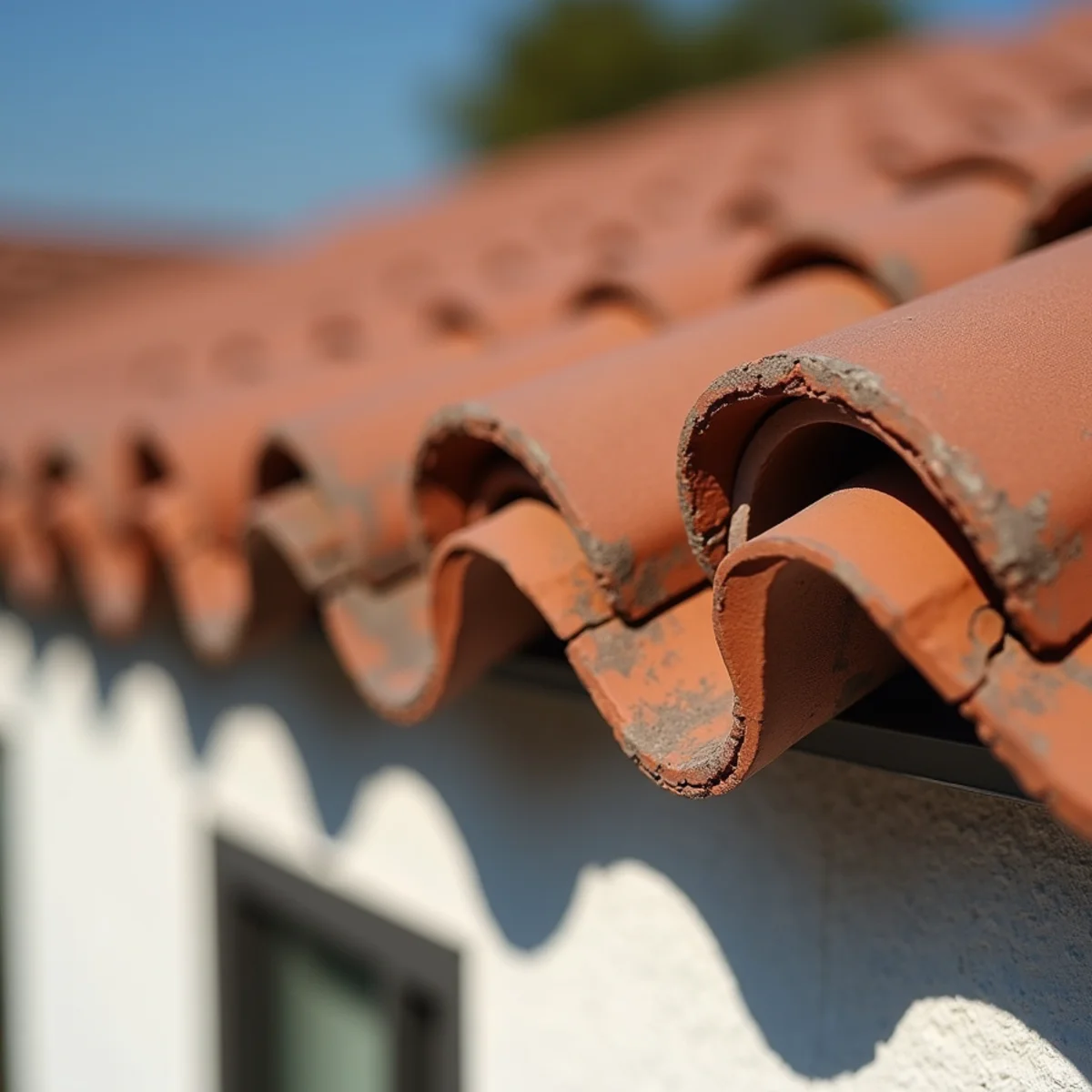
Ocean Hills is a distinctive planned community in Oceanside known for its Mediterranean, white-stucco architecture and cohesive design. Roofing here typically follows community standards and favors tile that complements the neighborhood's look.

Common property styles
Ocean Hills features Mediterranean and Santa Barbara-style homes with white stucco and tile roofs, maintained to a consistent community aesthetic.
Roofing materials you'll see here
- Clay and concrete tile
- Cool-roof-rated tile options
Exposure considerations
Inland from the coast, Ocean Hills sees more heat than salt. Ventilation and cool-roof-rated tile are worth considering, and the underlayment beneath tile is the component to monitor over time.
Maintenance guidance
Tile roofs in Ocean Hills can last a long time, but underlayment eventually needs renewal. Community design standards typically guide any material or color decisions.
Roofing Considerations Specific to Ocean Hills
Ocean Hills is one of Oceanside's most recognizable planned communities, and the reason is written across its rooftops. The neighborhood was built around a single idea — Mediterranean, white-stucco homes under warm-toned tile — and it holds together only because the roofs read as one. Tile profile, color and pitch repeat from house to house, so the roofline is a shared piece of the community's identity rather than a private detail. That shapes roofing here more than in most of the city: a roof in Ocean Hills is a design element and a weatherproofing system at once. Sitting inland from the shoreline, it trades the coast's corrosive salt air for steady sun and heat — and under that heat, the part of a tile roof that quietly decides its future is the layer you cannot see.
The architecture behind the roofline
The look most people picture in Ocean Hills — bright white stucco under low, warm-colored tile — comes from a Mediterranean and Santa Barbara design tradition. Roofs tend toward low to moderate pitches, and the tile is usually a rounded barrel or S-shaped profile that casts the shadow lines the style depends on. Against white walls, the roof is the strongest color on the house, which is exactly why the community keeps it consistent — one mismatched roof stands out far more here than on a street of varied homes. For a homeowner, that matters before any roofing decision, not after: material, profile and color are part of a shared design rather than fully open choices.
Why tile is the neighborhood's material
Tile is not on these homes by accident. Clay and concrete tile suit the Mediterranean look and hold up well to the inland conditions Ocean Hills sees. Clay tile keeps its color for years on end and shrugs off sun; concrete tile is heavier and often more affordable. Both are among the longest-lived roofing surfaces you can put on a house, which is why a tile roof is usually worth maintaining rather than rushing to replace. Tile also handles heat well: the tiles sit slightly raised on battens, leaving a thin air gap that lets heat vent instead of passing straight into the roof deck. The trade-off is weight — the structure beneath is built to carry it — so switching to a different material is rarely a simple swap.
The underlayment beneath the tile is the component to watch
On a tile roof it is natural to judge condition by the tiles — but the tiles are rarely what fails. The real waterproofing is done by the underlayment: a water-resistant layer rolled over the wood roof deck, underneath the tile. Tile sheds most of the rain, but wind-driven water gets past it, and the underlayment is what carries that water down to the gutters and keeps it out of the house. It does the quiet, essential work, and it is completely out of sight. It is also the part that ages first. Under years of inland sun and attic heat, underlayment dries out and grows brittle, usually reaching the end of its useful life while the tile above still looks close to new. That is the key thing to understand about a roof here: a sound-looking tile roof is not proof of a sound roof.
Renewing the underlayment without losing the look
When the underlayment does need renewing, the tile usually does not have to be discarded. On most tile roofs the tiles are carefully lifted and set aside, the old underlayment is stripped and replaced, and the original tile is relaid over the fresh layer. In a neighborhood where the exact profile and color matter, that is a real advantage — it keeps the roof that belongs on the house instead of forcing a new match. Sound tiles come back down; only cracked ones need replacing, which is where matching becomes the tricky part.
Inland heat, sun and wind
Because Ocean Hills sits away from the immediate coast, the forces on its roofs differ from a beachfront home's. The salt air that corrodes fasteners and flashing near the water arrives much weaker here. In its place, sun and heat do the steady work: ultraviolet light breaks materials down over time, and the daily cycle of heating and cooling makes the whole assembly expand and contract, slowly working at sealants and underlayment. Wind still reaches this far inland — a hot, dry Santa Ana can push across the area, and while heavy tile stays put in ordinary weather, a strong gust can lift or shift a tile. After a big wind event, a look from the ground for anything shifted or cracked is a sensible habit, even when nothing is leaking inside.
Ventilation and cool-roof options
Under an inland tile roof, attic ventilation carries more of the load than most homeowners realize. It works as a pair: intake vents low at the eaves draw cooler air in, and exhaust vents high near the ridge let the hottest air out, so heat leaves the attic instead of building under the deck and baking the underlayment from below. Since heat is the main thing aging a roof here, confirming the ventilation is balanced is one of the higher-value things to check. A replacement is also the moment to weigh cool-roof materials. A cool roof is rated by its Solar Reflectance Index, or SRI — how well a surface reflects sunlight and sheds absorbed heat — and higher-SRI tile can lower attic temperatures and ease summer cooling. California's Title 24 energy standards call for cool-roof performance on many replacement roofs, with exceptions tied to slope and insulation; because they change on a cycle, confirm the current requirements with the City of Oceanside. Where a cool-roof tile fits the approved colors, it adds performance without changing the look.
Working within the community's design standards
Roofing in Ocean Hills comes with a step a one-off house does not: staying within the community's architectural and design standards. Those generally guide the material, profile and color, so a re-roof here is partly a matter of approval, not only construction. The smoothest projects plan around that from the start rather than discovering it after materials are ordered. The questions worth answering early are simple: What does the community allow? Does a like-for-like renewal still need sign-off? And how close a match is required if your original tile is no longer made? Homeowners in Ocean Hills who settle those before committing tend to avoid a project stalling for approval, and we will walk you through the options that fit the standards so there are no surprises with the association.
When tile is broken or missing: the matching question
Because uniformity is the whole point of the Ocean Hills look, matching tile matters more here than in a neighborhood of mixed homes — and it can be the hardest part of a repair. Profiles and colors go out of production over the years, so an exact replacement for an older roof is not always still made. The usual approaches are to salvage undamaged tiles from less visible areas to patch the visible ones, to blend a close current match, or to source discontinued tile where it can still be found. This is why a record helps: noting your tile's profile and color while that information is easy to find — from old paperwork, a supplier, or a spare tile in the garage — makes any future repair simpler and closer to the original.
Where tile roofs actually leak
When a tile roof does let water in, it is usually not through the field of tile — it is at the details. Flashing, the metal that seals the joints where the roof meets a wall, chimney, skylight or vent, weathers faster than the tile around it. Valleys, where two roof planes meet and channel a concentrated stream of runoff, take more water than anywhere else and are a common place for trouble to start. Rubber pipe boots dry and crack in the sun. These spots age on a shorter clock than the tile and are where a small, quiet leak most often begins — which is also why catching them early usually means a targeted repair rather than anything larger.
Maintenance you can plan around
A tile roof asks for little, but the little it asks for matters. A few habits keep an Ocean Hills roof performing and looking the way the neighborhood expects:
- Have the underlayment, flashing and sealants evaluated periodically, even while the tile looks perfect — those parts age out of sight, long before the tile does.
- Keep valleys and gutters clear of leaves and debris so water drains freely instead of backing up under the tile.
- Leave walking the roof to someone who knows how to move on tile; a wrong step cracks tiles and creates the very problem you were checking for.
- Note your tile's profile and color and keep any roofing paperwork, so a future repair or match is straightforward.
- After a strong Santa Ana, take a ground-level look for shifted or cracked tile even if nothing is leaking inside.
- Watch the flashing around skylights, chimneys and vents, which weathers faster than the open field of tile.
Planning a project, permits and approvals
Because Ocean Hills was built out over a defined stretch, many homes carry roofs of a broadly similar age, which makes planning easier than it might seem. When a project does come around, the order of operations keeps it smooth. Confirm what the community's standards allow and whether the work needs association sign-off, since that shapes the material, profile and color before anything is ordered. Confirm the current permit and energy-code requirements with the City of Oceanside, since Title 24 and permitting change over time and are best checked rather than assumed. Then plan the work around those answers. Approached that way, a re-roof here rarely holds surprises: the roof goes back on in keeping with the neighborhood, meets the code in force at the time, and lands on a timeline you set rather than one a leak sets for you.
Not sure where your roof stands?
Try the Roof Condition Assessment for a quick, general read — it doesn't replace an on-site inspection.
Frequently asked questions
The tile is the most durable part of the roof and is often the longest-lived; the underlayment is the water-resistant layer beneath it that does the actual waterproofing once wind-driven rain gets past the tile. Under inland heat it dries out and ages well before the tile shows any wear, so it is usually what determines when a tile roof needs work.
It can. Because the underlayment ages out of sight beneath the tile, a roof can look flawless from the street while the layer doing the waterproofing is near the end of its service life. That is why an inspection of what is under the tile tells you more than how the tile looks.
Often, yes. Ocean Hills is built around consistent architecture, and the community's design standards typically guide roofing material, profile and color — sometimes even for a like-for-like renewal. It is worth confirming what needs sign-off before ordering materials so a project does not stall for approval.
Tile profiles and colors go out of production over the years, so an exact match is not always available. Common approaches are salvaging undamaged tiles from less visible areas to patch visible ones, blending a close current match, or sourcing discontinued tile where it can still be found. Keeping a note of your tile's profile and color makes this far easier.
Less than at the shoreline. Ocean Hills sits inland, so the corrosive salt air that drives beachfront material choices arrives much weaker here. Sun, heat and the occasional dry Santa Ana wind are the bigger day-to-day factors, which is why heat management and ventilation tend to matter more than corrosion.
Usually, yes. On most tile roofs the tiles are carefully lifted and set aside, the old underlayment is replaced, and the sound original tiles are relaid over the fresh layer. Only cracked or broken tiles need replacing — which keeps the roof that belongs on the house and matters in a neighborhood where profile and color are meant to match.
Re-roofing generally requires a permit, and California's Title 24 energy standards can affect which materials qualify — but both change over time. Confirm the current permit and energy-code requirements with the City of Oceanside before planning, and check separately whether the community also needs to approve the work.
It is better not to. Walking a tile roof cracks tiles underfoot and can create the very leak you were trying to prevent. Leave close inspection to someone who knows how to move on tile; from the ground you can still watch for shifted or cracked tiles, especially after a strong wind.
Relevant services
Nearby Oceanside areas
Ocean Hills
Roofing Help in Ocean Hills
Tell us what you're seeing and we'll help you take the next sensible step.