Loading…
Oceanside Neighborhoods
Roofing in Ivey Ranch, Oceanside
Ivey Ranch is a family-oriented Oceanside neighborhood with a mix of established tract homes. Roofing considerations here center on the sun and heat of its inland-leaning position and the upkeep of homes built in recent decades.
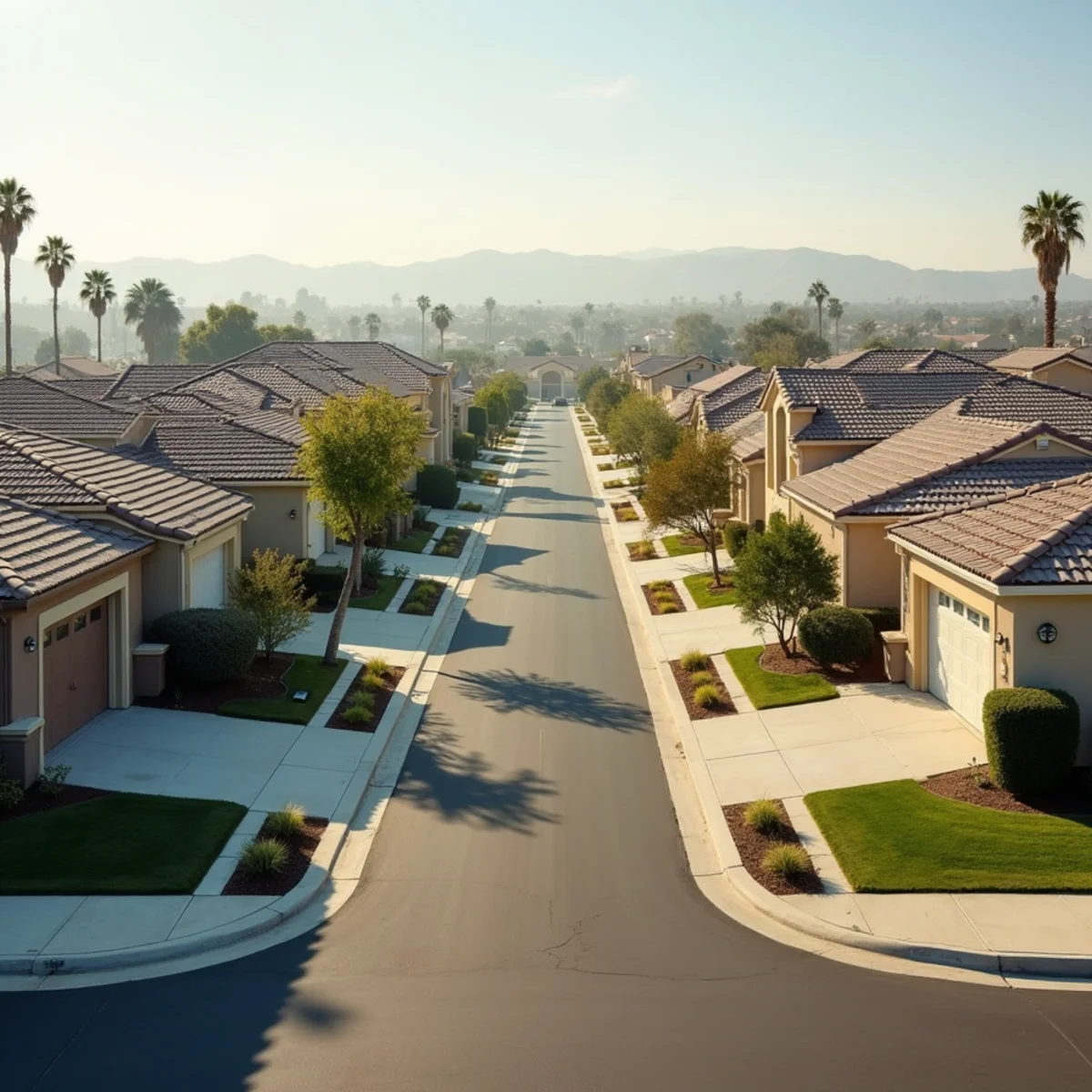
Common property styles
Ivey Ranch features single-family tract homes with concrete tile and asphalt shingle roofs, typical of Oceanside's planned residential growth.
Roofing materials you'll see here
- Concrete tile
- Asphalt shingles
- Cool-roof options
Exposure considerations
Away from the immediate coast, Ivey Ranch experiences more heat and less salt. Attic ventilation and cool-roof materials help manage heat buildup here.
Maintenance guidance
Periodic inspection and maintenance keep tract-home roofs performing and can extend their life. Check attic ventilation, which affects both comfort and material longevity.
Roofing Considerations Specific to Ivey Ranch
Ivey Ranch is one of Oceanside's quieter family neighborhoods -- a settled stretch of single-family homes that filled in street by street as the area was planned out. Because those homes went up within a fairly narrow window, many roofs here share a similar age and a similar starting point, which shapes the kind of roofing conversation owners tend to have: less about an emergency, and more about looking after a roof that still has plenty of life left in it.
Where the neighborhood sits matters just as much. Tucked back from the shoreline, Ivey Ranch leans inland -- the corrosive salt air that dictates so many beachfront roofing choices is a minor player here, while heat, strong sun and the occasional dry Santa Ana wind do the day-to-day work of aging a roof from above. For families planning to stay put for years, that makes the roof something to plan around rather than worry about, and a little knowledge about what is over your head goes a long way.
Ivey Ranch homes and the roofs they carry
Ivey Ranch is built almost entirely of single-family tract homes -- houses designed and built in coordinated groups rather than one custom lot at a time. That shared origin is why roofs here fall into a few familiar types rather than a scattering of one-offs. The two you will see most often are concrete tile and asphalt shingle. Concrete tile -- the heavy, profiled tiles that give many Oceanside tract homes their Mediterranean-leaning look -- sits up in distinct rows with visible ridges. Asphalt shingle, the layered composition roofing, reads as a flatter, more uniform surface in muted colors. If you are unsure which you have, a look from the ground usually settles it, and it is worth knowing, because the two age differently and ask for different care.
Inland heat, not ocean salt: what an Ivey Ranch roof really faces
It is easy to assume a coastal city means coastal roofing concerns everywhere, but Ivey Ranch's inland lean changes the picture. Salt air weakens quickly as you move back from the water, so the corrosion that eats at fasteners and flashing near the beach is far less of a factor here. What replaces it is heat: long sunny stretches and high ultraviolet exposure that dry out materials, harden sealants and slowly cook whatever sits beneath the surface. Wind belongs in the picture too -- a hot, dry Santa Ana can push through with real force, and gusts are what tend to lift a shingle edge or nudge a cracked tile loose. None of this is alarming; it simply points care toward heat, airflow and the details that weather first.
Two roof types, two ways of aging
The single most useful thing to know about an Ivey Ranch roof is that tile and shingle age in nearly opposite ways. One hides its wear out of sight; the other shows it plainly on the surface. Matching your attention to your material is what keeps a small issue from becoming a leak.
Concrete tile: watch the layer you cannot see
On a tile roof, the tile is the durable part -- it sheds rain and shrugs off sun for years and often outlasts everything under it. The part that ages first is the underlayment, the water-resistant sheet laid over the wood decking beneath the tile that does the actual waterproofing once wind-driven rain gets past the surface. Under years of inland heat that hidden layer dries and grows brittle, commonly reaching the point of needing attention well before the tile shows any wear. That is why a crisp-looking tile roof is not proof of a sound one. When underlayment renewal comes around, the tile can often be lifted, set aside and relaid over a fresh layer, which keeps the original tile in place.
- Have the underlayment, valley flashing and sealant checked periodically even while the tile looks perfect -- those age first.
- Note your tile's profile and color while that information is easy to find, in case a broken tile ever needs matching.
- Leave walking the roof to someone who knows how to move on tile; footsteps crack tiles and create the very leaks you are trying to avoid.
Asphalt shingle: watch the surface you can
A shingle roof is easier to read, because it ages in the open. Composition shingles are topped with mineral granules that shield the material beneath from the sun; as the roof ages those granules wear away -- you may find them collecting in gutters -- and the exposed shingle hardens. Edges curl or lift, corners turn brittle, and the occasional bald patch appears. Inland heat and the daily temperature swings speed that along. The result is that a shingle roof tends to reach the end of its life fairly evenly across the whole surface rather than hiding trouble underneath, which makes it easier to plan for, but also means the signs are worth taking seriously when they show.
- Watch for granule loss, curling or lifting edges and bald spots -- the surface telling you it is aging.
- Check gutters after storms for accumulated granules, an early and easy-to-read signal.
- Keep an eye on shingles around vents, skylights and roof edges, where lifting tends to begin.
Attic ventilation is the quiet difference-maker
Whichever material sits on top, inland heat makes attic ventilation one of the highest-value things to get right here. Ventilation works as a balanced pair: intake vents low at the eaves draw cooler air in, and exhaust vents high near the ridge let the hottest air out, so heat and moisture leave the attic instead of building under the deck and baking the roof from below. Poor or blocked airflow shortens a roof's life quietly, from the underside where you would never see it -- and it shows up indoors as an attic that stays stifling long after sundown or upstairs rooms that never quite cool. Because tract homes on a street were often built to the same specification, a ventilation shortfall can be a shared trait worth checking rather than a one-house problem.
Cool roofs and California's Title 24
When a full replacement eventually comes due, it is also the moment to weigh cool-roof materials. A cool roof is rated by its Solar Reflectance Index, or SRI -- a measure of how well a surface reflects sunlight and sheds the heat it absorbs. Higher-SRI tile and shingle stay cooler in the sun, which can lower attic temperatures and ease the load on air conditioning through an inland Oceanside summer. It is not only a comfort choice: California's Title 24 energy standards call for cool-roof performance on many replacement roofs, with exceptions tied to factors like roof slope and insulation. Those standards update on a cycle, so the edition in force when you re-roof is what matters -- worth confirming, along with how it applies to your home, with the City of Oceanside before you settle on materials.
Wind, debris and a simple seasonal rhythm
Most of what keeps an Ivey Ranch roof healthy is undramatic and seasonal. Mature trees and landscaping shed leaves and needles that collect in valleys and gutters, where, left alone, they dam up water so it backs up under tile or pools on shingle instead of draining away. Clearing them is the most useful bit of routine upkeep, and it costs only attention. The dry-wind season earns its own habit: after a strong Santa Ana, a ground-level look for lifted shingles, shifted tile and scattered debris catches the small displacements gusts cause before the next rain finds them.
- Keep valleys and gutters clear of leaves and needles so water drains freely instead of backing up.
- After a strong Santa Ana, scan the roof from the ground for lifted shingles or shifted tile, even with no leak indoors.
- Look things over before the rainy season so flashing, sealant and drainage are ready for it.
Keeping a newer roof -- and its warranty -- intact
Many Ivey Ranch roofs are still relatively young, and a young roof rewards a light, steady hand. Periodic inspection and maintenance catch the small things -- a lifted shingle, failing sealant, a clogged valley -- while they are cheap to fix, and they keep the roof performing across the long stretch a family typically spends in one of these homes. There is a paperwork side too. Roofing material warranties commonly carry conditions: they often depend on the roof having been installed to the manufacturer's specification and maintained over time, and some ask for documentation of that upkeep. Holding on to the records from when the home was built or last re-roofed, and keeping a simple log of inspections and repairs, protects whatever coverage the roof came with.
Community guidelines and permits
Some parts of Ivey Ranch fall under a homeowners association, and where that is the case, roofing gains a step a standalone house does not. Association guidelines commonly govern the roofing material, its profile and its color so the neighborhood keeps a consistent look, which can make a replacement or a visible repair partly a matter of approval as well as construction. If your home is part of an association, it pays to know what is allowed -- and whether a like-for-like renewal needs sign-off -- before materials are ordered rather than after. Permitting is separate and applies either way: reroofing and many repairs in Oceanside call for a permit and inspection, and the specifics can change, so confirm the current requirements directly with the City of Oceanside. We will walk you through both sides so there are no surprises partway through the job.
Repair, maintain, or replace: deciding without pressure
For a family settled in Ivey Ranch, the roof is rarely an all-or-nothing decision. A localized leak or a patch of storm-lifted shingles is usually a repair. A roof whose underlayment has aged out beneath still-good tile is a candidate for underlayment renewal that keeps the original tile. A shingle roof wearing evenly across its whole surface is signaling that full replacement is on the horizon. The right call depends on your specific roof, its age and how long you plan to stay. The most useful first move is almost always a straightforward inspection, which turns guesswork into a clear picture of where things stand and what the roof will need, and roughly when. From there the choices are yours, on your own timeline, and we will lay out what we see in plain terms.

Not sure where your roof stands?
Try the Roof Condition Assessment for a quick, general read — it doesn't replace an on-site inspection.
Frequently asked questions
A look from the ground usually tells you. Concrete tile sits up in distinct rows with visible ridges, while asphalt shingle lies flatter and reads as a more uniform surface in muted colors. It is worth knowing which you have, because the two age and ask for care in different ways -- on tile you watch the hidden layer beneath, and on shingle you watch the surface.
It changes what to watch, not whether to watch. There is little of the coastal salt that corrodes beachfront roofs, but inland heat, strong sun and the occasional Santa Ana wind age a roof from above. That moves heat management, attic ventilation and seasonal upkeep to the front of the list.
Not necessarily. On tile roofs the tile is the durable part; the underlayment beneath it does the real waterproofing and typically ages out first, out of sight. A crisp-looking tile roof can sit over underlayment that is ready for renewal, which is why a periodic look beneath the surface is worthwhile.
Because heat is the main pressure on an inland roof. Balanced ventilation -- intake vents low at the eaves and exhaust vents high near the ridge -- lets heat and moisture escape instead of building under the roof deck and aging the materials from below. Good airflow quietly protects everything above it, and a shortfall can be shared across similarly built tract homes.
Often, yes. California's Title 24 energy standards call for cool-roof performance on many replacement roofs, with exceptions tied to slope, insulation and other factors, and the standards update on a cycle. Because the requirements change, confirm what applies to your home with the City of Oceanside before choosing materials.
Reroofing and many repairs in Oceanside call for a permit and inspection, and the specifics can change over time. The reliable way to know what your project needs is to confirm the current requirements directly with the City of Oceanside.
A periodic look, plus a check after strong Santa Ana winds and before the rainy season, is a sensible rhythm for most homes here. Regular attention catches small issues like lifted shingles, failing sealant or clogged valleys while they are still inexpensive to address.
It can. Where an association applies, its guidelines commonly govern the roofing material, profile and color to keep a consistent neighborhood look, so a replacement or a visible repair may need approval. If your home is part of one, it helps to confirm what is allowed before ordering materials.
Relevant services
Nearby Oceanside areas
Ivey Ranch
Roofing Help in Ivey Ranch
Tell us what you're seeing and we'll help you take the next sensible step.