Loading…
Oceanside Neighborhoods
Roofing in Guajome, Oceanside
The Guajome area, near Guajome Regional Park in eastern Oceanside, features a semi-rural mix of properties on larger lots. Its inland position and varied structures shape a roofing approach focused on heat, wind and durability.
Common property styles
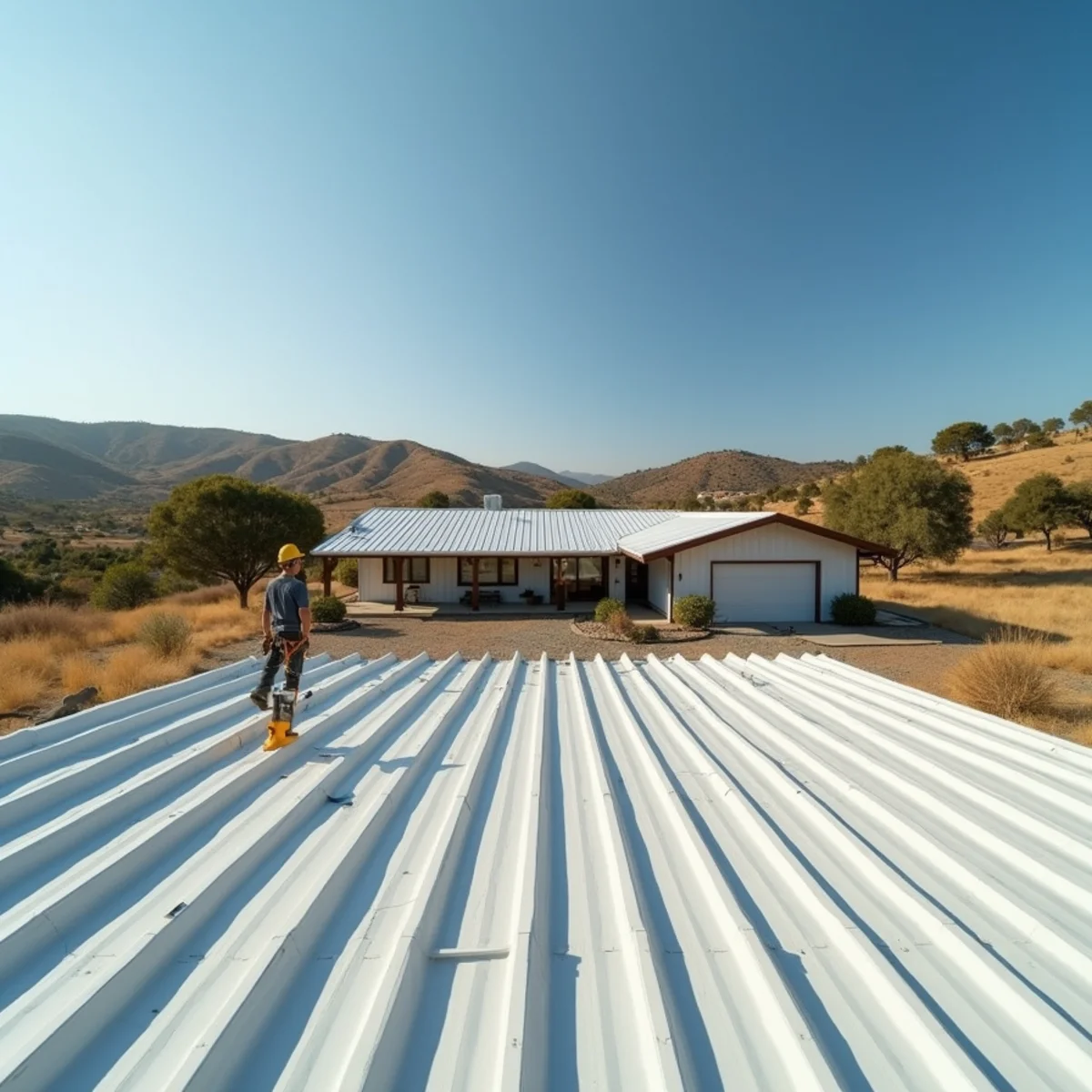
Guajome includes ranch-style homes, custom houses and properties on larger parcels, with tile and shingle roofs and occasional outbuildings.
Roofing materials you'll see here
- Concrete and clay tile
- Asphalt shingles
- Metal roofing
Exposure considerations
Well inland, the Guajome area sees strong sun and wind with minimal salt. Heat management, ventilation and wind-appropriate installation are the priorities.
Maintenance guidance
Larger, varied properties benefit from regular inspection to catch wind and sun damage early. Ventilation is worth checking on older structures.
Roofing Considerations Specific to Guajome
On the eastern edge of Oceanside, out near Guajome Regional Park, roofing has a semi-rural feel that sets it apart from the rest of the city. Homes here sit on larger parcels with room to spread out, and the ocean is far enough away that salt air barely reaches this far, so the corrosion worries that shape coastal roofs simply are not the story. What a Guajome-area roof answers to instead is open sky: a strong, steady inland sun, real summer heat, and wind that crosses open ground with fewer houses and trees to break it. Add the detached garages, workshops and barn-style outbuildings that often share these lots, and a roofing conversation in this area tends to cover more ground, literally, than it would on a compact neighborhood street.
The homes and lots of the Guajome area
Two things define the built landscape here: the style of the homes and the size of the lots. Ranch-style houses are common, and a classic ranch roof is broad and low-pitched, with wide overhanging eaves. That low pitch sheds water more slowly than a steep roof, so sound underlayment (the water-resistant layer beneath the tile or shingle) and clean flashing at every joint carry more of the load. Alongside the ranches sit custom homes, and custom often means an involved roofline: multiple hips, valleys and changes in pitch that give a house character while giving wind and water more edges to find. The larger parcels matter too. A bigger footprint usually means a bigger roof, with longer runs and more surface exposed to sun and wind day after day.
Inland sun and the heat a roof has to shed
Being well inland changes the job a roof does. Without the ocean's moderating breeze, summer afternoons run hotter, and a dark, sun-baked roof plane can climb well above the air temperature around it. That heat works on the materials from above and radiates down into the attic and the rooms below, so heat here is as much a comfort-and-energy question as a durability one. This is where reflective, cool-roof materials earn their place: tile, shingle or coatings made to reflect more sunlight than they soak up, which keeps the roof and the space beneath it cooler. For a new roof or a full replacement in this part of California, the state's energy code (often called Title 24) can set reflectivity requirements, so it is worth asking where a given material stands rather than assuming. We will walk you through what applies.
Why ventilation carries extra weight here
Ventilation is the quiet partner to any heat strategy. A well-vented roof pairs intake vents low at the eaves, which pull cooler air in, with exhaust vents high near the ridge, which let the hottest air out, a continuous flow that keeps heat from stacking up under the deck. When that balance is off, trapped heat ages the underlayment from below, working against the roof even on a mild day. Ranch homes and older custom builds in the Guajome area were sometimes put up with less attic airflow than this inland climate really wants, so confirming that the intake and exhaust are matched and unobstructed is one of the more valuable checks on a roof out here. On a west-facing plane that bakes all afternoon, a radiant barrier, a reflective layer that turns back heat before it reaches the attic, is another option worth weighing.
Wind on open ground
Wind is the factor homeowners this far inland most often underestimate. With fewer neighboring houses and mature trees to slow it, wind reaches a Guajome-area roof with more of its force intact, and the hot, dry Santa Ana events that sweep in from the east are especially hard on roofing edges. The pressure to watch for is wind uplift, the lifting force that catches the edge of a shingle or tile and works it loose over time.
The honest catch with uplift is that it often does its damage without an immediate leak. A fastener loosens, a tile shifts, a shingle's adhesive seal breaks, and the roof looks perfectly fine from the ground while its defense against the next rain has quietly weakened. This is why wind-appropriate installation matters so much here: tighter fastening patterns, properly sealed edges and secure edge metal are what keep an open-country roof from unraveling at its perimeter. After a strong wind event, a look across every roof on the property for lifted or displaced pieces is time well spent.
Roofing near open space and parkland
A property near Guajome Regional Park and the open, brushy land around eastern Oceanside sits closer to wildland than a home in the middle of the city, and that proximity is worth keeping in mind when roofing decisions come up. The roof is a building's largest exposed surface, and the roofing categories rated most resistant to fire, commonly described as Class A, are a genuine consideration for homes near open space. Just as important as the covering itself are the details around it: keeping the roof, valleys and gutters clear of the dry leaves and needles that collect on a wooded lot, and making sure attic and eave vents are screened so wind-blown embers have fewer ways in. California has building requirements for areas near wildland, and whether and how they apply to a given Guajome-area property is something to confirm with the City of Oceanside rather than guess at. None of this is cause for alarm; it is simply part of roofing thoughtfully in a semi-rural setting.
More than one roof on a property
A Guajome-area lot often carries more than one roof, the main house, a detached garage, maybe a workshop or a barn-style outbuilding, and they rarely age as a set. The house may wear tile while a shop wears shingle or a low-slope roof, each installed at a different time and each in its own condition. A low-slope roof, the nearly flat kind common on outbuildings and additions, keeps water out differently than a pitched one: instead of shedding it down a slope, it relies on a continuous surface and deliberate drainage, so ponding water and tired seams are what tend to trouble it.
The practical move is to look at each structure on its own rather than assume the whole property is in the same shape. An outbuilding that gets less day-to-day attention than the house can quietly fall behind it, and that is far easier to catch during an inspection than to discover after water reaches whatever is stored below. When replacement time comes, deciding whether to match materials across structures or treat each on its own timeline is a conversation worth having up front, with no surprises later.
Choosing materials for a Guajome-area roof
With minimal salt to fight, material choice here comes down mostly to heat, wind and the look you want. Concrete and clay tile are common on the area's homes and stand up well to sun, with a profile that helps shed heat and weight that helps them stay put in wind, though the underlayment beneath them is what actually keeps water out and eventually sets the timeline for renewal. Asphalt shingle is lighter and easier on a budget, and high-wind-rated versions are the sensible route on an exposed lot. Metal roofing shows up more often out here than in the city and suits larger structures and outbuildings especially, since it sheds heat, resists fire well and handles wind when its panels and fasteners are properly specified. There is no single right answer; the best choice depends on the specific structure, its pitch, its exposure and your budget.
The dry climate's quieter effects
It is easy to fixate on the dramatic events, a Santa Ana or a rare heavy rain, and overlook what the ordinary dry, sunny climate does day to day. Constant ultraviolet exposure slowly hardens and fades roofing materials, and it dries out the sealants around penetrations like vents, skylights and pipe boots faster than a milder climate would. Those small sealed spots are frequently where the first leak on an otherwise sound roof shows up, long after the sealant has quietly cracked. Wind-borne dust is the other steady presence out here; it settles into valleys and gutters and, mixed with the occasional rain, forms grit that can hold moisture against the roof. Neither is dramatic, but both reward the kind of periodic once-over that keeps a small problem from becoming a wet ceiling.
A maintenance rhythm for a semi-rural property
A few habits keep a spread-out property's roofs in good order without much fuss:
- Walk the property after strong wind, checking the house, garage and any outbuildings for lifted shingles, shifted tile or scattered debris, even when there is no visible leak.
- Keep the roof, valleys and gutters clear of the leaves, needles and dust that collect on a large, wooded lot, so shaded planes can dry and embers have less to catch.
- Have attic ventilation checked, especially on older ranch and custom homes, so trapped heat does not age the underlayment from below.
- Inspect each structure on its own schedule, since house, garage and outbuildings age at their own pace and seldom need attention at the same time.
- On low-slope outbuilding roofs, watch for ponding water and worn seams, which fail differently than a pitched roof does.
- For a full tear-off replacement, expect a permit to be required, and confirm current requirements, including any near-wildland rules, with the City of Oceanside before work begins.
Deciding what your roof needs
Because the properties out here vary so much, different home styles, different roof ages, different structures on the same lot, no single recommendation fits the whole area, and anyone offering one without looking is guessing. The honest starting point is an inspection that treats each roof on the property individually and tells you where it actually sits in its life. From there, whether the answer is a small repair, better ventilation, a fire-aware upgrade or a full replacement, you can plan on your own timeline rather than react to a leak. Whatever the path, we will walk you through the trade-offs in plain terms, so the decision is yours to make with no surprises.

Not sure where your roof stands?
Try the Roof Condition Assessment for a quick, general read — it doesn't replace an on-site inspection.
Frequently asked questions
Much less than a coastal home would. In the Guajome area the ocean is far enough off that salt barely registers, so the bigger concerns are sun, heat and wind. Quality flashing and fasteners are generally enough here, with attention focused on heat management and wind-appropriate installation instead.
Yes. Without the ocean breeze to moderate it, inland Oceanside runs hotter, and a sun-baked roof passes that heat into the attic and the rooms below. Balanced attic ventilation and reflective, cool-roof materials help, and for a new roof California's energy code (Title 24) can set reflectivity requirements worth checking.
On open ground with fewer windbreaks, wind, especially a dry Santa Ana, can lift the edges of shingles or tile, a force called uplift. It often loosens fasteners or breaks seals without causing an immediate leak. Tighter fastening patterns, sealed edges and secure edge metal all help, and a look across the roofs after strong wind catches problems early.
Yes. On a semi-rural lot the structures were usually roofed at different times and age at their own pace, so it helps to assess each on its own rather than assume they are all in the same shape. An outbuilding that gets less attention can fall behind the house quietly.
It is worth considering. Near open space, the roofing categories rated most resistant to fire, commonly called Class A, are a reasonable choice, along with keeping the roof and gutters clear of dry debris and screening vents against embers. Whether specific near-wildland requirements apply is something to confirm with the City of Oceanside.
Concrete and clay tile, asphalt shingle and metal all work here; the right one depends on the structure, its pitch, its exposure and your budget. Tile and metal shed heat well and hold up in wind, while high-wind-rated shingle is a lighter, more budget-friendly option on an exposed lot.
A full tear-off replacement typically requires a permit, and because this area sits near open land, additional near-wildland rules may apply as well. Requirements change, so confirm the current ones with the City of Oceanside before work begins, and we will walk you through what is needed.
Relevant services
Nearby Oceanside areas
Guajome
Roofing Help in Guajome
Tell us what you're seeing and we'll help you take the next sensible step.