Loading…
Roofing Services · Specialized
Storm Damage Roof Repair in Oceanside, CA
Assessment, documentation and repair planning after wind and storm events.
Active emergency?
If you have an active leak or storm damage, call (209) 758-8550to check current urgent-service availability. Don't climb onto a wet or damaged roof.
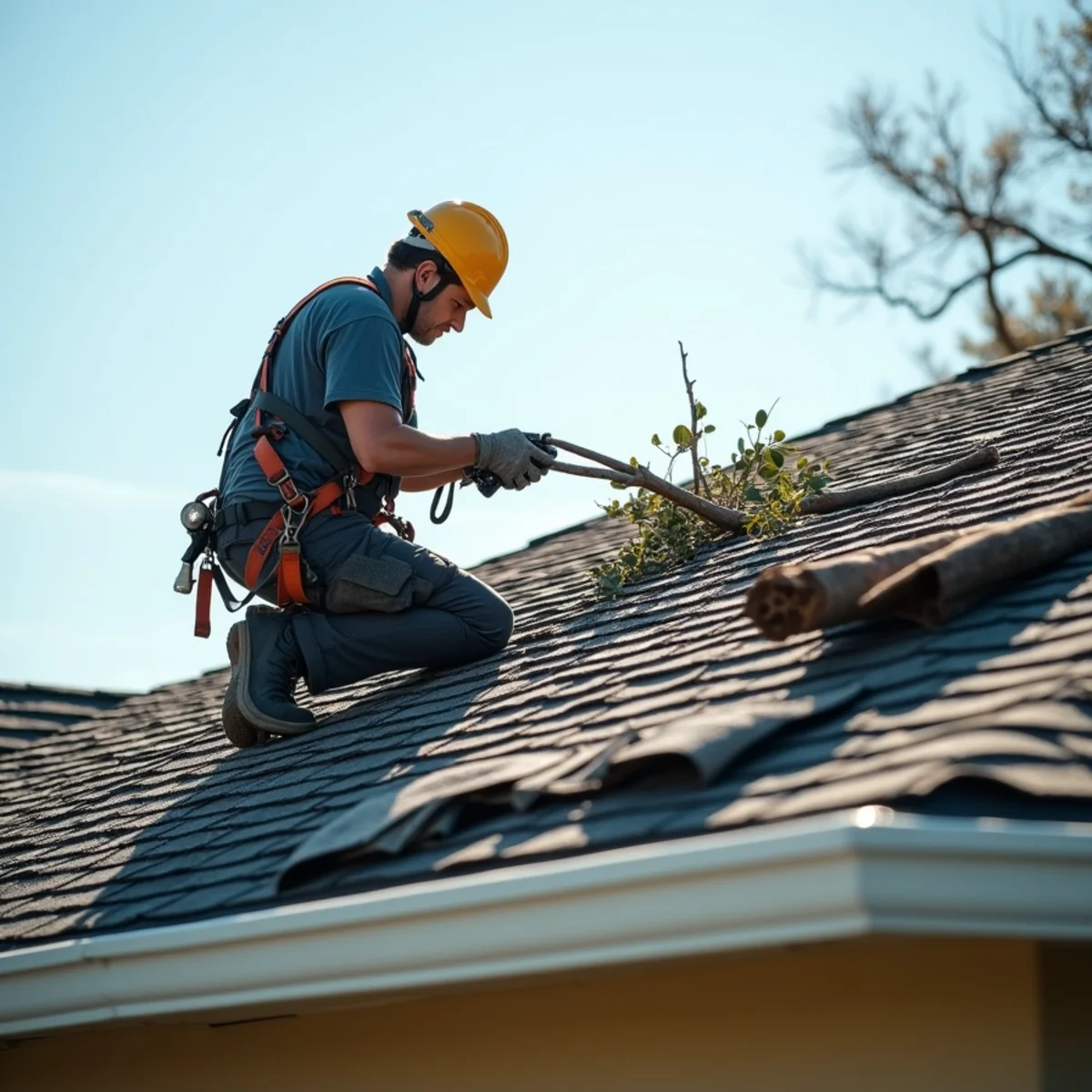
Santa Ana winds and winter storms can lift shingles, crack tiles and drive debris onto a roof. Damage isn't always obvious — a roof can be compromised without an immediate leak. We assess, document and plan the repair.
Understanding storm damage roofing in Oceanside
Storm damage on the Oceanside coast rarely looks the way people expect. A roof can take a real beating from a night of wind and still look untouched from the driveway the next morning — no shingles in the yard, no water on the ceiling, nothing obvious to point at. That is exactly what makes storm damage worth taking seriously here: the harm that turns into a leak three weeks later usually happens quietly, up at the edges and seams you cannot see from the ground. Our job after a storm is to separate the visible damage from the hidden kind, document what we find in a way you can actually use, and lay out a repair plan with no surprises — whether that means a small fix, temporary protection, or simply the reassurance that your roof came through fine.
The storms that do the damage around Oceanside
Two weather patterns cause most of the roof damage in North County San Diego, and they arrive from opposite directions. Santa Ana winds are the hot, dry gusts that push offshore from the inland deserts, most often in fall and winter. They can be strong and sustained, and because they strike the sides of a roof that usually face calmer air, they find edges and ridgelines that were never built to take a beating. Coming the other way are the Pacific winter storms, which pair wind with heavy, wind-driven rain — the kind that does not fall straight down but gets pushed sideways, up and under the roof surface.
Damaging hail is uncommon on this part of the coast, so most of what we see is wind and water rather than the dented, bruised shingles common in hail country. That does not make it milder. Wind-driven grit and debris can scuff and gouge a roof surface, a downed branch can crack tile or puncture a low-slope section — the flatter roofs over garages, additions and many commercial buildings — and steady wind on its own can undo the seals that hold a roof together. On an older roof, or one already worn thin by years of coastal salt and sun, it does not take a record-breaking storm to cause damage worth repairing.
What wind uplift actually does
The single most useful idea for understanding storm damage is wind uplift. As wind flows over a roof it does not simply push down — it accelerates over the edges and ridges and creates suction that pulls upward, the same way air moving over a wing creates lift. That upward tug works on the corners and edges of shingles and tiles, and when it is strong enough, or repeated often enough across a windy season, it breaks the adhesive seal that holds each course down, backs out fasteners, and lifts materials just far enough for the next rain to run underneath. The telling part is that nothing has to blow away for the roof to be compromised. A shingle can reseal itself in the sun and look perfectly normal while the bond that made it watertight is already broken. That is why an assessment after a strong blow looks for lifted and loosened materials, not only missing ones.
Signs of storm damage worth looking for
You can spot a fair amount from the ground with a careful eye, and it is worth a look after any strong wind event — from the ground, never the roof. These are the signs that tend to show themselves:
- Shingles that are missing, torn, curled or creased, or that sit visibly lifted or out of line with their neighbors.
- Cracked, slipped or displaced tiles, especially along ridgelines, hips and the exposed edges of the roof.
- Grit or granules collecting at downspout outlets or in the gutters — the sandy protective layer worn off asphalt shingles.
- Flashing — the thin metal that seals the joints where the roof meets a wall, chimney, skylight or vent — that looks bent, lifted or peeled back.
- Debris on the roof, from small branches to a fallen limb, along with any scuffing or gouging it left behind.
- New interior signs after the storm: a fresh ceiling or wall stain, a drip during rain, or a musty smell in a closet or attic.
The damage that hides — and why no leak doesn't mean no damage
The most expensive mistake after a storm is assuming a dry ceiling means an undamaged roof. Wind uplift and loosened flashing often break a roof's water resistance without opening an obvious hole, so the roof shrugs off a passing shower and then leaks during the first heavy, wind-driven rain weeks later. By that point water may have been working its way into the underlayment — the water-resistant sheet beneath your shingles or tiles — and into the decking, the plywood or board layer the roof is nailed to. Wet decking softens and rots slowly and silently, especially on the coast where the marine layer keeps everything damp longer, so a small storm problem left alone can grow into a structural one. Where it is accessible, a look in the attic after a storm can reveal a great deal — daylight where there should be none, damp insulation, or a dark stain creeping along a rafter — long before anything reaches the room below.
Why coastal roofs take storm damage differently
A storm does not hit a coastal roof the way it hits an inland one, because the roof it lands on is already living under different stress. Salt-bearing air settles on every nail, clip and piece of flashing and speeds up corrosion, so the very fasteners and seals meant to resist wind uplift are often already weakened near the water. A gust an inland roof would shrug off can loosen materials on a coastal roof whose hardware has been quietly corroding for years.
The marine layer compounds it. That morning and overnight cloud keeps roof surfaces, underlayment and decking damp long after inland roofs have dried, so water pushed in during a storm lingers instead of drying out, and any softening it starts has time to spread. Steady coastal sun does its part too — ultraviolet light hardens and cracks the sealants and flexible components a roof relies on to stay watertight, so those seals are frequently brittle before a storm ever arrives. None of this is cause for alarm; it is simply why we assess and repair storm damage here with salt, moisture and sun in mind, and why the repairs we favor are built for that exposure rather than borrowed from a drier climate.
What to do in the first hours after a storm
If a storm has clearly damaged your roof — water coming in, materials down, a limb on the roof — the first priorities are safety and stopping further water damage, in that order. A permanent repair can wait; these steps should not:
- Stay off the roof. A wet, wind-stressed roof is genuinely dangerous, and walking a damaged roof can hurt both you and the roof. The view from the ground plus a proper assessment tells you what you need to know.
- Contain the water indoors if it is safe — a bucket under a drip, towels to slow the spread, and valuables and electronics moved clear.
- Cut power to the affected area if water is near ceiling fixtures or wiring.
- Photograph everything, inside and out, from the ground and from a safe vantage. Dated photos are useful later if you file a claim.
- Keep well away from downed limbs, any ceiling that is sagging or holding water, and power lines around the property.
One more thing: the post-storm door knock
After a widespread wind event it is common for out-of-area contractors to canvass a neighborhood offering a free roof inspection and a quick signature on the spot. Some are perfectly legitimate; the pressure to sign immediately is the part to be wary of. There is no need to commit to anyone while you are rattled and the roof is still wet. Take the time to get a clear, documented assessment, understand what your roof actually needs, and make the call on your own schedule. A roofer worth hiring will be comfortable with you doing exactly that.
How a storm-damage assessment works
A storm assessment is a deliberate, two-part look: the obvious damage, and the quieter wind-uplift kind that hides. We check the field of the roof, the edges and ridgelines where uplift concentrates, the flashing and penetrations where seals fail, and the drainage that has to carry a heavy storm away. Where a roof is steep, fragile or unsafe to walk — and a storm-stressed roof often is — we can evaluate it using an available method where it helps safe access, rather than adding foot traffic that risks cracking tile or putting anyone at risk. Where an area has been left open to the weather, temporary protection comes first: a weather-resistant tarp fastened over the damaged section to stop water entry until conditions allow a proper repair. It is a stopgap that buys time, and we are clear about that — it goes on only when the roof can be reached safely.
From assessment to a repair that holds
Once the immediate risk is handled, we plan the permanent repair around what the assessment actually found rather than a guess. That might mean replacing lifted or missing shingles and resealing the courses around them, setting new tile and repairing the underlayment beneath, or renewing flashing the wind peeled back. Near the coast we favor corrosion-resistant flashing and fasteners and sealants rated for UV and marine exposure, and high-wind-rated materials where they fit your roof — because the same salt, sun and wind that caused the first damage will go straight to work on the repair. When we are done, you know what was damaged, what was fixed, and what, if anything, is worth keeping an eye on. No surprises.
Storm damage and your insurance claim
Many homeowners policies cover sudden, accidental roof damage from wind and storms, while damage blamed on age, wear or deferred maintenance is typically excluded — which is a large part of why documentation matters so much. Two policy terms are worth understanding before you file. A deductible is the amount you pay out of pocket before coverage kicks in, and if a repair is likely to land near or below it, a claim may not be worth filing. And policies pay out in one of two ways: actual cash value, which factors in the roof's age and depreciation, or replacement cost value, which covers what it costs to replace the damaged materials today. Knowing which one your policy uses shapes what to expect from a settlement.
Our role is to document, not to decide. We can provide clear photographs and a written assessment of the storm damage that you hand to your adjuster, and we are glad to walk you through what we found in plain language. What we cannot do — and what no honest roofer can — is promise a claim will be approved. That decision rests with your insurer. One practical point that comes up again and again: many policies limit how long you have to report storm damage, so arranging an assessment promptly, once it is safe, protects your options whether or not you ultimately file.
Why storm claims run into trouble
Claims most often stall for reasons that have little to do with how real the damage is. The common one on older or coastal roofs is pre-existing wear: if an adjuster believes the damage owes more to age and salt exposure than to the storm, coverage gets harder to argue — one more reason a documented history of your roof's condition is valuable before a storm ever hits. Late reporting is another; wait too long and a claim can be denied on timing alone. A thorough, dated record of the damage, made soon after the event, is your best answer to both — it helps separate fresh storm damage from ordinary aging and shows you acted promptly.
Repair or replace? How we think about it after a storm
Most storm damage is repairable, and where a roof has good service life left and the harm is localized, a targeted repair is the sensible, cost-effective path — and we will say so plainly. The picture changes when a storm lands on a roof that was already near the end of its run. If wind has lifted materials across much of the roof, if the underlayment has been failing for years, or if the storm is simply the latest in a string of leaks, repeated patching can cost more over time than addressing the roof as a whole. In that case we lay out both paths honestly, including how they interact with an insurance claim, and let you decide. What we will not do is sell you a replacement you do not need, or paper over a failing roof with a repair that will not last the year.
How storm work connects to the rest of your roof
Storm damage rarely stays neatly in its own lane, so a good repair often touches the services around it. A post-storm roof inspection is the natural companion to an assessment, giving you a documented baseline of the whole roof's condition — useful both for planning and for any future claim. If water has already made it inside, leak repair traces where it actually entered rather than where it happens to drip. If the storm knocked gutters loose or clogged them with debris, clearing and re-securing them keeps the next rain from backing up under the roof edge. And if the wind exposed tired flashing or an aging low-slope section, it is often the right moment to address those while a crew is already up there. We will point out where combining work saves you a second trip and where it genuinely is not needed.
A note on Oceanside's microclimates
Oceanside is not one roofing climate but several, and where your home sits changes what a storm does to it. Close to the water — the considerations common in South Oceanside and the neighborhoods near the harbor and pier — salt spray and near-constant moisture mean flashing and fasteners are usually further along in corrosion, so wind finds weakened seals more easily and repairs lean hard on corrosion-resistant materials. Farther inland, around areas like Rancho del Oro and Guajome, roofs dry out more between storms but can take stronger, more direct Santa Ana gusts and more heat load, which stresses seals and shingles in a different way. It is the same city, but a coastal bungalow and an inland tract home each deserve a storm response fitted to their exposure rather than a one-size checklist. We will walk you through what your particular spot means for your roof.
Signs you may need storm damage roofing
- Missing or lifted shingles after high winds
- Cracked or displaced tiles
- Debris or a fallen limb on the roof
- New interior stains following a storm
What's included
- Wind and storm damage assessment (ground-level and drone-assisted where suitable)
- Photo documentation formatted for an insurance claim
- Temporary protection where needed
- A clear repair plan and scope
Our process
- 01
Inspect
We evaluate the roof for visible and hidden wind-uplift damage.
- 02
Document
We photograph and document damage to support an insurance claim.
- 03
Protect
We provide temporary protection if the roof is open to further water entry.
- 04
Repair
We plan and complete the permanent repair.
Materials commonly involved
- Matching roofing materials for repairs
- Temporary tarping materials as needed
Oceanside coastal considerations
- Wind-uplift can loosen fasteners and lift materials without an obvious leak; a post-storm inspection often finds more than expected.
- Document damage promptly — many policies limit the time to report storm damage.
What affects the scope of your project
- Extent of damage
- Whether temporary protection is required
- Insurance-claim coordination
Every roof is different. The best next step is a property-specific evaluation — we'll explain what we find in plain language and lay out practical options.
Frequently asked questions
A dry ceiling doesn't mean an undamaged roof. Wind uplift can break the seals and back out the fasteners that hold shingles and tiles down without opening an obvious hole, so the roof stays watertight in a light rain and leaks in the next heavy one. From the ground, look for lifted, curled or missing shingles, slipped tiles, grit in the gutters, or flashing that looks peeled back. Please don't climb up to check — a proper assessment from a safe vantage is the way to know for sure.
Many policies cover sudden, accidental damage from wind and storms, while damage attributed to age, wear or lack of maintenance is typically excluded. Coverage, deductibles, and whether you're paid actual cash value or replacement cost vary by policy, and the decision always rests with your insurer. We can provide documented photos and a written assessment to support a claim, but no roofer can promise it will be approved.
It depends on your policy, but many limit how long you have to report storm damage, and some claims are denied on timing alone. The safe approach is to document the damage and start the process as soon as it's safe to do so, rather than waiting to see whether a leak eventually appears.
No. A wet, wind-stressed roof is slippery and can be structurally compromised, and walking a damaged roof can injure you and cause more damage. You can spot a lot from the ground, and where the roof needs a closer look we can evaluate it using an available method where it helps safe access.
Damaging hail is uncommon on this part of the coast, so most storm damage here comes from wind and wind-driven rain rather than the dented shingles seen in hail country. That said, wind-driven grit and debris can scuff a roof surface, and a downed branch can crack tile or puncture a flat section, so a post-storm look is still worthwhile.
Keep people safe and stop further water damage. Stay off the roof, contain any indoor water with buckets and towels, move valuables clear, cut power to the affected area if water is near fixtures, and photograph everything from a safe spot. Then arrange an assessment — call (209) 758-8550 to check current urgent-service availability if water is actively coming in.
Yes. We can provide clear photographs and a written assessment of the storm damage that you share with your adjuster, and we'll explain what we found in plain language. The coverage decision is your insurer's to make, and no roofer can guarantee a claim's outcome.
No. Most storm damage is repairable, especially when it's localized and the roof still has good life left. Replacement usually enters the conversation only when a storm hits a roof that was already worn out, or when the damage is widespread. We'll lay out both options honestly and let you decide.
Be cautious about signing anything on the spot. After a widespread storm, out-of-area contractors often canvass neighborhoods and press for an immediate commitment. There's no need to decide while you're rattled and the roof is still wet — get a clear, documented assessment first and make the call on your own schedule.
Related services
Relevant roof types
Next step
Discuss Storm Damage Roofing in Oceanside
Tell us what you're seeing and we'll help you decide the sensible next step.