Loading…
Roofing in Rancho Santa Fe, CA
Roofing Services in Rancho Santa Fe, CA
Rancho Santa Fe's estate homes and covenant architecture call for roofing that matches its character while performing across a coastal-to-inland gradient. Wednora Roofers brings careful, style-aware recommendations.
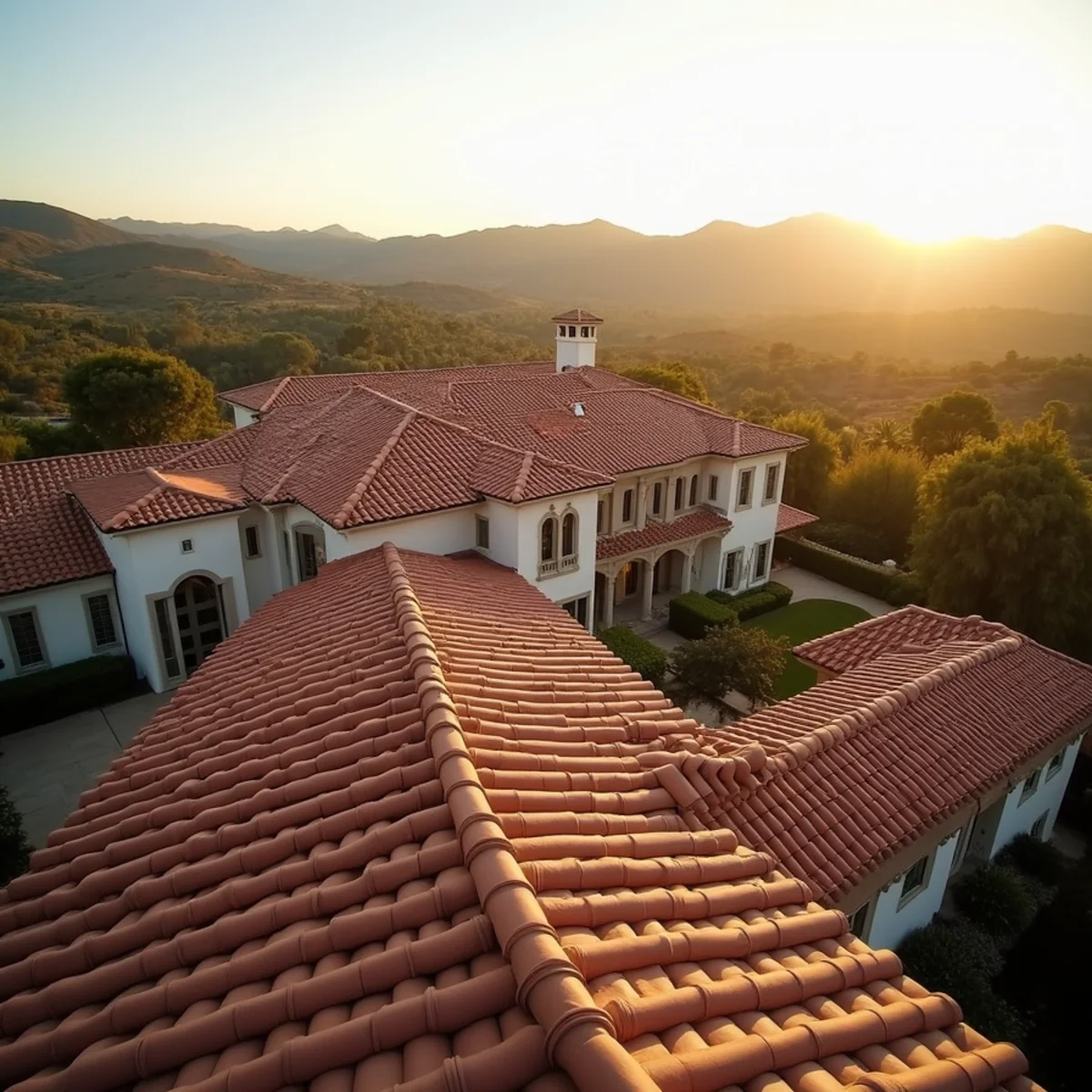
Rancho Santa Fe property & roofing context
Rancho Santa Fe is defined by large estate homes, Spanish and Mediterranean architecture, and strict community design standards. Clay and concrete tile dominate, often on large, complex rooflines.
Climate & exposure considerations
Rancho Santa Fe sits between coastal and inland influences — moderate salt with meaningful heat. Material choices lean toward tile for character and durability, with attention to ventilation and fire-aware materials.
Roofing in Rancho Santa Fe: What Local Homeowners Should Know
Rancho Santa Fe is one of the most distinctive places to own a roof anywhere in North County San Diego. Behind the eucalyptus and the long private drives sit large estate homes in the Spanish and Mediterranean tradition, and almost all of them wear tile — the warm, earth-toned clay and concrete that has defined this community's rooflines for close to a century. Roofing here is shaped as much by architecture and community expectation as by weather: the homes are big, the rooflines complex, the design standards real, and tile ages in a way that surprises many owners.
The setting adds its own character — inland from the immediate coast but close enough to catch a little salt on the air, and far enough into the county's rolling backcountry to face real summer heat and a genuine fire season. Together, those pieces make for a roofing picture that looks nothing like a tract home a few miles down the hill.
Why tile defines the Rancho Santa Fe roofline
Drive through the Covenant and the roofscape is strikingly consistent: tile in warm reds, browns and blended earth tones over homes with deep overhangs, courtyards and long wings. Tile is the natural partner to the Spanish Colonial and Mediterranean Revival architecture the area is known for, it holds up well in this climate, and it carries the traditional look the community has long protected. Most of what you see is clay or concrete — barrel-profile clay, the rounded 'mission' style that casts those deep shadow lines, on the more traditional estates, flatter concrete on others, and genuine slate on some higher-end homes. These are heavy, long-lived, non-combustible coverings suited to large permanent homes, so the real decisions here are about how the system is built and maintained, not about switching to a cheaper material the neighborhood would not accept.
The Covenant, architectural review, and your roof
Rancho Santa Fe is governed by a long-standing set of community protections — the Covenant — and an architectural review that looks closely at how homes are built and altered. Roofing sits squarely within what that review can touch, so material, tile profile and color are not purely personal taste; they are expected to fit the established character of the community. That makes the roof worth thinking through before, not after, ordering material.
- Material and color are reviewed. The community leans toward genuine, natural coverings in approved profiles and expects color blends to look subtle and harmonious rather than sharply contrasting.
- Matching matters. Blending new tile so it reads consistently with the existing roof and its neighbors is part of the expectation, and exact matches for older tile are not always still made.
- Approvals run in parallel. The community's design approval can proceed alongside the building permit, so both belong in your timeline. The Rancho Santa Fe Association is the authority to confirm current requirements with.
The tile lasts; the underlayment beneath it does not
Here is the single most important thing to understand about a tile roof: it is really two roofs stacked together. The clay, concrete or slate tile you see is a durable shell that sheds most of the rain and takes the sun, wind and salt on your behalf, and it can stay handsome for a very long time. But it is not, by itself, what keeps water out of the house. That job belongs to the underlayment — a water-resistant layer laid over the wood deck, beneath the tile — and the underlayment is the part that wears out first.
Because the failing layer is hidden, a roof can look flawless from the drive while the underlayment beneath has grown brittle and begun letting water past. The reassuring part is that sound tile can often be lifted off, set aside, and re-laid over fresh underlayment — an approach called a lift-and-relay that keeps the roof's exact look, and the character the community expects, while replacing only the layer that actually failed.
Signs an estate tile roof is asking for attention
Because the wear happens out of sight, it helps to know the early signals. Most are subtle, and none call for climbing onto the roof yourself, which is unsafe on tile and risks cracking it.
- Slipped, cracked or broken tiles, or tiles drifting out of line — often the first hint that fasteners or the layer beneath are aging.
- Debris and staining building up in the valleys, the channels where two slopes meet and water concentrates.
- Rust or wear on visible flashing and valley metal, which can corrode and leak even under sound tile.
- A faint ceiling or attic stain that appears after heavy rain, pointing to the underlayment or a flashing detail rather than the tile.
Where big, complex rooflines actually leak
Estate homes rarely have simple roofs. Long wings, multiple gables and hips, dormers, courtyards and the low-slope sections that tie a covered patio or entry into the main roof add up to a lot of joints — and joints are where roofs leak. The open tile field in the middle of a slope is usually the least of the worry; the trouble spots are the transitions. Valleys, the junctions where a roof meets a wall, the flashing around chimneys and skylights, and what roofers call dead valleys — low, nearly flat pockets where two slopes trap water instead of shedding it — are where attention belongs. Each depends on flashing, the metal that seals a seam or wall junction, holding up as long as the roof is in service. A more articulated roof has more of this detail to get right, which is why a careful inspection here works the edges and transitions rather than the open field.
Between the coast and the inland heat
Rancho Santa Fe sits in a real in-between zone, and its roofs feel both sides of it. There is some salt in the air — less than at the beach, but enough to matter for the metal parts of a roof. Salt is hard on flashing, valley metal and fasteners, and a corroded valley will leak even when every tile above it is sound, so corrosion-resistant components at those points are a sensible precaution here.
Move inland and heat takes over: roofs run hot through long, dry summers, which makes attic ventilation more than an afterthought — a roof that cannot shed the heat it collects pushes that warmth into the house and works its own materials harder. Barrel tile helps a little, since its arch leaves an air channel that lets some heat move rather than baking into the deck. Cool-roof options — surfaces made to reflect more sunlight — are worth asking about for comfort and energy use, and California's Title 24 energy standards call for cool-roof performance on many new roofs. Those standards change on a cycle, so we confirm the current edition and how it applies rather than assuming.
Fire-aware roofing on an estate property
Rancho Santa Fe's place in the county's vegetated backcountry means wildfire belongs in the planning, and the roof — one of the largest, most exposed surfaces on the house — is a sensible place to start. Helpfully, the material the community already favors is on the right side of this: tile and slate are non-combustible, meaning they do not readily catch or feed fire, and roofers describe the strongest overall option as a Class A rated assembly, the highest standard fire class for how a roof resists fire from the outside. On a tile roof, most of the fire-aware work is in the details around the edges.
- The open ends of barrel tile at the eaves are worth closing off — with mortar or manufactured closures sometimes called bird stops — so embers and debris cannot collect underneath.
- Vents and eave openings are common ember entry points, so ember-resistant detailing there is part of a fire-aware roof, not just the covering.
- Keeping valleys and gutters clear of dry leaves and needles removes fuel that would otherwise sit right on the roof.
Repair, section renewal, or full replacement?
Not every aging tile roof needs to come off all at once; the right scope depends on what is failing and where. A few cracked tiles and a tired flashing detail may call for nothing more than a targeted repair. A single sun-facing slope whose underlayment has gone brittle can sometimes be renewed on its own — its tile lifted and re-laid over fresh underlayment while the shadier slopes keep going for now. When the underlayment across the whole roof has reached the end of its service, a full renewal under the existing tile is the honest call. The wrinkle unique to tile is matching: any partial job has to blend, both to look right and to meet the community's expectations, so reclaimed tile and careful color blending come into play. We would rather tell you a section will hold for now than steer you toward more roof than your home needs.
When it pays to combine work
On a large estate roof, much of the effort is simply getting safe access across a big, complex surface — so it is worth thinking about what else is best done while the tile is off and the crew is up there. Renewing underlayment is a natural moment to reflash or replace aging skylights, add or improve attic ventilation, refresh valley and edge metal, and make the roof solar-ready so panels are not installed and then paid to be removed later. If exterior or stucco work is on the horizon, coordinating it with the roof can spare you the same setup twice. None of this has to be bundled, but doing related work in one pass usually means less disruption on a home this size.
A maintenance rhythm that fits a tile roof
Because the layer that fails is the one you cannot see, the most useful habit here is a documented inspection every year or two — with photos of the underlayment, flashings and valleys — plus a look after major wind or storm events. Between inspections, keeping valleys and gutters clear and replacing the occasional cracked tile promptly goes a long way. One caution: tile is walked carefully or not at all, since foot traffic cracks it, so leave that to someone who knows how to move across it.
Permits and approvals in Rancho Santa Fe
Because Rancho Santa Fe is an unincorporated community, building permits generally go through San Diego County rather than a city hall. Replacements that involve tearing off the old roofing typically require a permit, while minor repairs usually do not — but specifics change, so confirm current requirements with the County building department before work begins. On top of that, the community's design review may apply to material, profile and color, and that approval can run alongside the permit. Lining both up early keeps a larger project moving without surprises; when you are unsure which applies, the County and the Rancho Santa Fe Association are the authorities to check with.
How we approach a Rancho Santa Fe roof
For an owner here, the mindset that serves best is to watch the layer you cannot see and to respect the character the community has built. Because the tile outlasts the underlayment beneath it, the right moment to act usually comes before anything shows on the tile itself. When work is due, we will get underneath the tile, show you plainly what we find, weigh a repair or section renewal against a full underlayment renewal honestly, and lay out options that fit both your home and the neighborhood — no pressure, and no surprises.
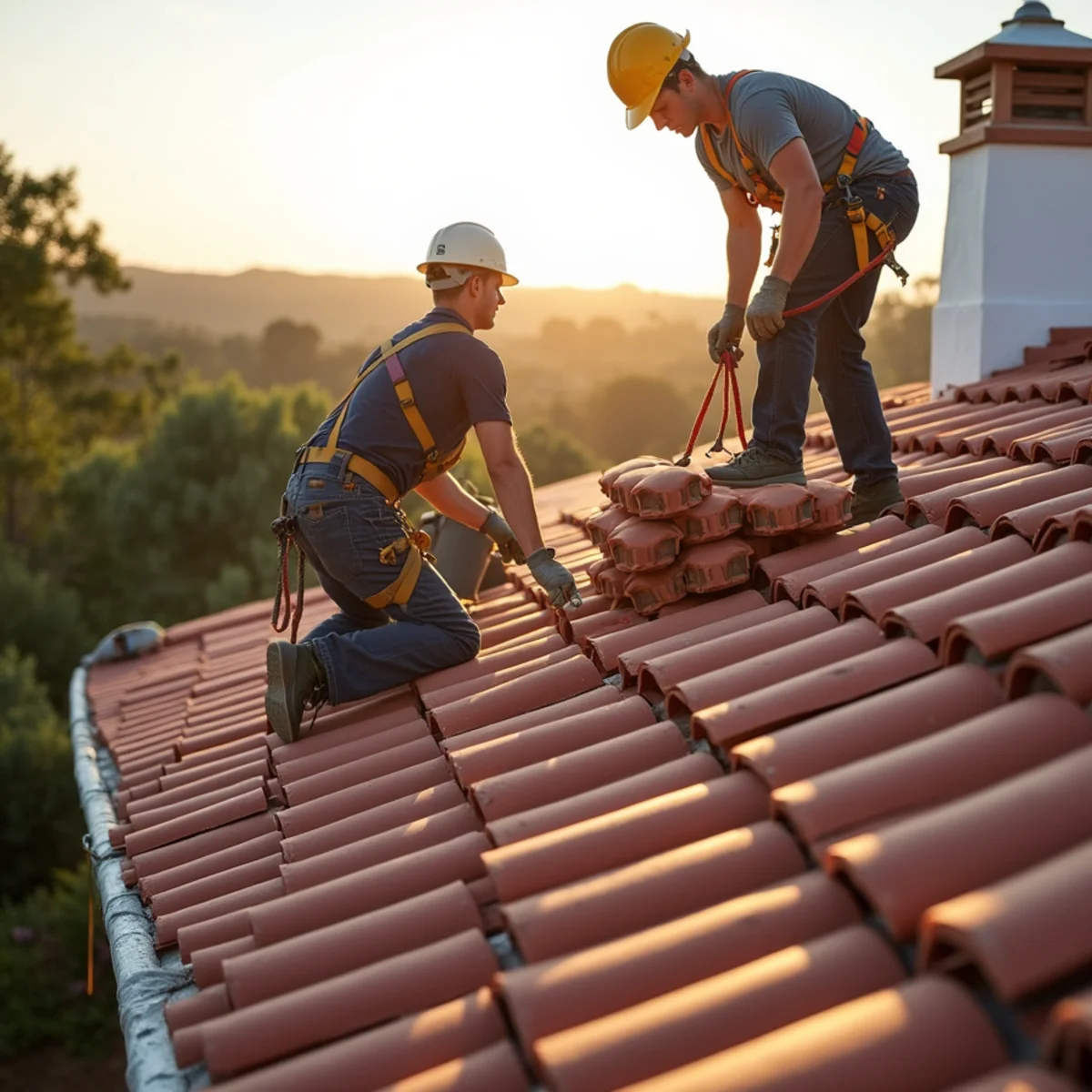
Common roofing materials in Rancho Santa Fe
- Clay and concrete tile
- Metal accents
- Cool-roof-rated options
Repair or replacement?
Whether a repair or replacement makes sense depends on your roof's condition — not a rule of thumb. Try the Roof Condition Assessment or read our repair vs. replacement guide.
Permits & compliance
Roof replacements involving tear-off generally require a permit in California cities, and new roofs often must meet Title 24 cool-roof requirements. See our roofing permits guide for how the process works, and confirm current requirements with your local building department.
Rancho Santa Fe roofing FAQs
Tile fits the Spanish and Mediterranean architecture the community is known for and suits the local climate, and the area's design expectations have kept it the established look for generations. Practically, tile is a durable, non-combustible shell — but remember that the underlayment beneath it, not the tile, is usually the part that eventually needs renewing.
Often, yes. The community's architectural review can apply to roofing material, tile profile and color, so it is worth confirming what is permitted before you commit to a product. That design approval can run alongside the building permit. The Rancho Santa Fe Association is the right authority to check current requirements with.
It can. On a tile roof, the visible tile is a long-lasting shell, but the hidden underlayment beneath it keeps water out and wears out first. A roof can look flawless from the ground while the underlayment has grown brittle. That is why getting underneath the tile to check its condition tells you far more than a look from the driveway.
Frequently, yes. Sound tile can often be carefully lifted, set aside, and re-laid over fresh underlayment — sometimes called a lift-and-relay — so you keep the roof's exact look and only replace the layer that failed. Some tile always breaks in handling, so blending in reclaimed or matching tile is part of the plan.
A tear-off replacement generally requires a permit, while minor repairs usually do not. Because Rancho Santa Fe is unincorporated, permits typically go through San Diego County rather than a city — and the community's design review may apply as well. Confirm current requirements with the County building department and the Association before work begins.
It belongs in the planning. The community sits in the county's vegetated backcountry, and the roof is one of the largest exposed surfaces on a home. Tile and slate are already non-combustible; beyond the covering, closing the open ends of barrel tile, ember-resistant vent detailing, and keeping valleys and gutters clear of dry debris all help.
A little salt reaches Rancho Santa Fe — less than at the beach, but enough to work on the metal parts of a roof. Salt corrodes flashing, valley metal and fasteners, and those will leak even under sound tile, so corrosion-resistant components at those points are a sensible precaution. Inland heat and ventilation, though, are usually the bigger day-to-day factors.
A documented inspection every year or two is a sensible baseline, plus a look after major wind or storm events. Because the underlayment wears out of sight, photos of the underlayment, flashings and valleys are worth keeping on file. Avoid walking the tile yourself — foot traffic cracks it and can create the very problems you are trying to prevent.
For the community's inland heat, cool-roof options that reflect more sunlight can help with comfort and energy use, and California's Title 24 energy standards call for cool-roof performance on many new roofs. The standards are revised periodically, so the current edition and how it applies to your project are best confirmed at the time of work rather than assumed.
Nearby service areas
Services
Roofing Services Available in Rancho Santa Fe
Roof Repair
Targeted fixes for leaks, damaged shingles, broken tiles and failing flashing.
Learn moreRoof Replacement
Full-roof replacement with tear-off, deck inspection and coastal-ready installation.
Learn moreEmergency Roof Repair
Temporary protection and leak mitigation after storms, wind and sudden leaks.
Learn moreRoof Inspection
A documented look at your roof's condition, drainage, flashing and ventilation.
Learn moreRoof Maintenance
Proactive upkeep that catches small issues before they become expensive leaks.
Learn moreResidential Roofing
Repair, replacement, installation and maintenance for Oceanside homes.
Learn moreCommercial Roofing
Flat and low-slope systems, coatings and maintenance for Oceanside businesses.
Learn moreRancho Santa Fe roofing
Get a Roof Estimate in Rancho Santa Fe
Tell us what you're seeing and we'll help you take the next sensible step.