Loading…
Roofing Services · Specialized
Fascia & Soffit Repair in Oceanside, CA
Repair of the roof edge — fascia and soffit — where water and pests get in.
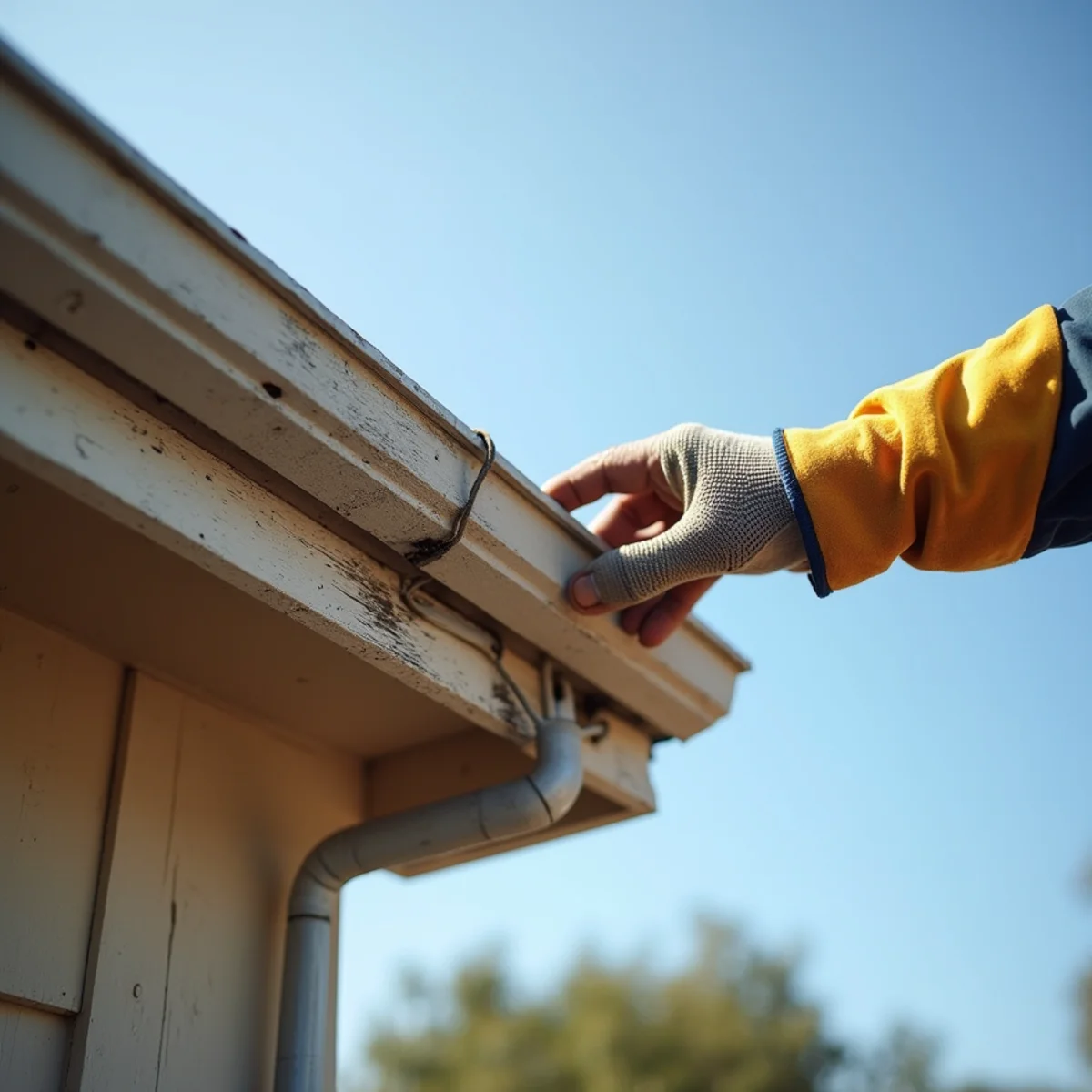
Fascia and soffit are the finishing edge of your roof: the fascia is the board along the roofline (where gutters attach), and the soffit is the underside of the overhang. They're easy to overlook, but when they deteriorate, they let in water and pests and can signal a drainage problem.
Understanding fascia & soffit repair in Oceanside
Walk around the outside of your house and look up at the edge of the roof — that clean line where the roof stops and the wall begins is doing more work than it lets on. The fascia and soffit are the two boards that finish that edge, and they take the runoff, wind and weather from the whole roof plane above while quietly holding your gutters up and helping your attic breathe. Because they sit low and out of the way, they are usually the last part of the roof anyone thinks to check. Near the Oceanside coast, where damp marine mornings and salt air work on wood year-round, they are often the first part to quietly give out — and catching that early is the difference between a straightforward repair and a much larger one.
What the fascia and soffit actually do
It helps to know exactly what you are looking at, because the two get lumped together but do different jobs. The fascia is the long, usually vertical board that runs along the lower edge of the roof, capping the ends of the rafters — the angled framing timbers that hold the roof up. It gives the roofline its finished look, and it is what your gutters are fastened to, so it carries their weight plus the weight of whatever water they are holding. The drip edge — a thin metal strip at the very edge of the roof — laps over the top of the fascia to send runoff into the gutter instead of behind it.
The soffit is the panel that closes in the underside of the overhang, bridging the gap from the fascia back to the exterior wall. Stand under the eave and look up, and the soffit is what you see. In a well-built roof it is not solid: it carries the intake vents that let fresh air into the attic, the low end of the airflow that keeps heat and moisture from building up under the roof. So the edge of your roof is really three parts working together — fascia, soffit and drip edge — and trouble in one tends to pull in the others.
The warning signs, from subtle to serious
Fascia and soffit rarely fail overnight. They give you a run of small, easy-to-miss signals long before anything dramatic happens, and knowing what to watch for lets you act while the repair is still minor. From the ground, and without going up a ladder, here is what tends to show first.
Signs on the fascia
- Paint that is bubbling, cracking or flaking — usually moisture pushing out from behind the board
- Dark vertical streaks running down the face, sometimes called tiger striping, the fingerprint of a gutter that keeps overflowing
- Wood that feels soft, spongy or crumbly rather than firm when pressed
- Gutters that sag, tilt or pull away from the edge they are bolted to
- Gaps opening at the joints, corners or where the fascia meets the wall
Signs on the soffit and inside
- Soffit panels that sag, warp or separate at the seams
- Brown, map-shaped stains on the underside of the overhang, often a leak coming from higher up on the roof
- Daylight or gaps where a panel has pulled loose
- Sawdust-like debris, droppings or nesting material below the eave — a sign pests have moved in
- A musty smell or a ceiling stain in an upstairs corner, hallway or closet where the eave meets the wall
Why the roof edge rots — water comes from three directions
Wood at the roof edge fails for one reason above all: it stays wet. What surprises people is how many different paths water takes to get there, and sorting out which one is soaking your edge is the whole point of a good look. The board is only the symptom — the water source is the thing that has to be fixed.
- From above: when the drip edge is missing or undersized, or the roof flashing has failed, runoff sneaks behind the fascia instead of dropping cleanly into the gutter, wetting the board from the top down
- From the front: the most common culprit by far is a gutter that overflows or holds standing water — a trough clogged with leaves and grit backs up in a downpour and pours down the face and back of the fascia
- From below: when soffit vents get painted over, packed with insulation or blocked by an earlier patch, humid attic air has nowhere to go and condenses inside the eave, wetting the wood from the inside where no one can see it
Why coastal Oceanside is harder on the edge
Wherever the water comes from, the process is the same. Wood that stays damp long enough swells and shrinks with each wetting, its structure breaks down, and fungal decay — plain wood rot — sets in and spreads along the grain. It does not reverse, and it does not stop on its own. Near the shore that clock runs faster, because the marine layer holds dampness in the morning air well past sunrise, so an edge that got wet overnight dries slowly, and slow, repeated damp-and-dry cycles are exactly what rot feeds on.
Salt does its part too. The fine salt carried in off the water settles on gutter hangers, nails and metal trim and speeds their corrosion, and a loose or rusted gutter is the start of many an overflow. Constant sun dries and cracks the paint film that is often a wood edge's only defense, opening the door for moisture underneath. And while heavy rain is uncommon here, the wind-driven rain that arrives with a winter storm gets pushed sideways up under the edge and behind the fascia in a way a calm shower never would. Considerations common in the older streets around South Oceanside add to it: many of those homes have deep wood eaves and open rafter tails that give the houses their character but also give weather more wood to work on. None of this dooms a coastal edge — it means the materials, the fasteners and the drainage all have to be chosen with salt and damp in mind.
The link to attic ventilation
The soffit does a second job that is easy to overlook, and it is why a soffit repair is rarely just cosmetic. Those vents along the underside of the overhang are the intake side of your attic's airflow — the low openings that let cool air in so it can rise and carry heat and moisture out through vents up at the ridge, the peak where the roof planes meet. When soffit panels rot, sag or get capped over during a careless repair, that intake gets choked. The attic then runs hotter in summer and damper in the marine-layer months, and that trapped moisture works back against the very wood you just fixed, along with the roof deck above. Restoring proper soffit ventilation is part of doing the edge right, not an optional extra.
An open edge is an open door for pests
A soft spot in a soffit or a fascia that has pulled away from the framing is an invitation. Birds, rats, squirrels, wasps and other visitors are quick to find a gap at the roofline and move into the sheltered eave and attic behind it, and once inside they tend to widen the opening and foul the insulation. It becomes a loop: nesting material traps damp against the wood, the damp keeps the wood soft and easy to chew through, and the animals keep the gap open. Closing the edge back up with sound material and the right fasteners shuts that door — which is why we look for signs of entry, not just rot, when we assess an edge.
Materials for a coastal roof edge
Part of a good repair is choosing edge material that suits both your house and its exposure. There is no single right answer, and we will walk you through the trade-offs for your home rather than push one product. In broad terms, these are the categories:
- Painted wood — the traditional choice, and often the right one for matching an older home's look. It holds up well when kept sealed and painted, but that upkeep is what keeps coastal moisture out, so it asks for more attention over time
- Fiber-cement trim — a wood-look board that shrugs off moisture and does not rot, a durable fit for damp coastal edges where a painted profile is wanted
- Cellular PVC and composite trim — synthetic boards that do not absorb water or rot at all, useful in the wettest, most shaded spots, though the look differs from real wood
- Aluminum or vinyl soffit panels — factory-finished, vented panels that resist moisture and cut down on painting, commonly used to close in and ventilate the underside of the overhang
A word on fasteners
Whatever the surface material, the fasteners and any flashing behind them should be corrosion-resistant. On the coast, standard nails and screws rust from the inside out, staining and loosening a brand-new board within a few seasons, so the hardware matters as much as the board itself. It is one of the quiet details that separates a repair built for salt and sun from one that becomes the next weak point.
Repair a section, or replace the whole edge?
Not every rotted edge needs a full replacement, and we will not tell you it does when it does not. The right call comes down to how far the rot has actually traveled and how much life the rest of the edge has left. A short, localized soft spot caught early — say a single length where a downspout has been overflowing — can usually be cut out and replaced on its own, provided the wood on either side and the rafter tails behind it are still sound. When rot runs the length of a roofline, or when the same aging and the same bad drainage have worked on the whole edge, replacing the full run of fascia and soffit at once is often the more sensible value, since it corrects the cause everywhere and gives you a clean, matched edge instead of a patchwork. That is a conversation we would rather have with you up front, photos in hand, than surprise you with halfway through.
How the repair is done — and why patching alone fails
Rotted wood cannot be filled, painted or wished back to health; it has to come out, and the reason it rotted has to be corrected in the same visit. Skip that second half and a fresh board over the same bad drainage simply rots on the same schedule the last one did. A sound repair runs roughly like this:
- Find the true extent — rot travels along the grain and hides behind gutters and trim, so we probe past the visible damage to see how far the soft wood really reaches
- Remove and inspect — affected fascia and soffit come off, and we check the rafter tails, the exposed framing ends behind the fascia, for moisture damage that needs addressing before anything new goes on
- Fix the cause — whatever let the water in, an overflowing gutter, a failed drip edge, a blocked vent, gets corrected, because the drainage is the real repair
- Rebuild with coastal-rated material — new fascia and soffit go in with corrosion-resistant fasteners, and the soffit ventilation is restored so the attic keeps breathing
- Reattach and finish — gutters are re-hung on solid backing, joints are sealed, and the new wood is primed and painted or a pre-finished material is set, so the edge sheds water and matches the house
What shapes the scope of the work
Every edge is a little different, and a few things drive how big a job it turns out to be. We would rather name them plainly than hand you a number that ignores them:
- How far the rot has spread — a single soft length is quick, while rot running the whole run is a bigger job
- Height and access — a single-story eave is straightforward, while a tall or hard-to-reach two-story edge takes more setup to work safely
- Whether the rafter tails or roof framing behind the fascia have been affected, not just the boards themselves
- Whether the gutters, drip edge or a drainage detail have to be redone as part of fixing the cause
- The material you choose, and whether the finished edge needs priming and painting to match the house
Common mistakes we are often called in to undo
A fair share of the fascia and soffit work we see is really a second repair — an earlier quick fix that hid the problem instead of solving it. The patterns repeat:
- Painting over rot — fresh paint on soft wood buys a season of looks and lets the decay keep spreading underneath
- Capping rotted wood with aluminum — wrapping a bad fascia in metal trim seals the rot in with its own moisture and hides it while it keeps eating the board and the framing behind it
- Ignoring the drainage — replacing the board but leaving the overflowing gutter that soaked it guarantees a repeat
- Blocking the soffit vents — closing in the underside with solid material or packing insulation against it chokes the attic's intake and traps the moisture that started the trouble
- Standard fasteners on the coast — ordinary nails and screws rust, stain the new board and work loose in salt air, undoing good work from the inside
When edge work pairs with other roofing
Because the roof edge ties into so much around it, fascia and soffit repair often makes sense alongside a related job — and doing them together usually costs less than circling back. Gutter work is the most natural pairing, since failing gutters are the leading cause of edge rot and there is little sense re-hanging them on soft board. If your roof is due for replacement, that is the ideal moment to renew the drip edge, correct the ventilation and address the fascia while the edge is already open and the crew is on site. And where an attic runs hot or humid, restoring soffit intake as part of the edge repair quietly improves the airflow for the whole roof. We point out these overlaps when we see them so you can decide — not to upsell, but so you are not paying to set up the same edge twice.
What to expect when you call
When you reach out about a soft fascia or a sagging soffit, the first step is simply understanding what is going on. We look at the edge, trace where the water is coming from, and show you what we find in plain terms and photographs rather than jargon. From there you get a clear picture of what the repair involves, what is driving the scope, and whether a section will do or the run is better replaced — with the reasoning, not just the recommendation. If the edge can wait, we will tell you; if leaving it will let the rot reach the framing, we will tell you that too. To talk through what you are seeing or set up a look at your roof edge, call (209) 758-8550. We will walk you through it, with no surprises.
Signs you may need fascia & soffit repair
- Peeling paint, soft spots or visible rot on the fascia
- Gaps or damage in the soffit underside
- Gutters pulling away from the edge
- Signs of pests or nesting in the overhang
What's included
- Fascia repair and replacement
- Soffit repair and ventilation restoration
- Correction of the drainage issue causing the damage
- Coordination with gutter work
Our process
- 01
Assess
We evaluate the fascia, soffit and what caused the deterioration.
- 02
Repair
We repair or replace affected sections and address the underlying cause.
- 03
Protect
We restore soffit ventilation and confirm gutters are properly supported.
Materials commonly involved
- Fascia and soffit materials suited to coastal exposure
- Fasteners resistant to corrosion
Oceanside coastal considerations
- Marine moisture and clogged drainage are common causes of fascia rot near the coast.
- Soffit ventilation is part of the roof's overall airflow — worth restoring when repairing the edge.
What affects the scope of your project
- Extent of rot or damage
- Whether drainage must be corrected
- Access and height
Every roof is different. The best next step is a property-specific evaluation — we'll explain what we find in plain language and lay out practical options.
Frequently asked questions
Almost always water that lingers — most often gutters that overflow or hold standing water and run down the fascia, but also a failed drip edge above or blocked soffit vents trapping humidity below. Near the coast the marine layer keeps the wood damp longer, so the lasting fix is correcting the water source, not just replacing the board.
Only if the wood underneath is still sound. Wrapping rotted fascia in aluminum hides the decay and seals moisture against it, so it keeps spreading out of sight. Where the board is solid, a capped or pre-finished edge can cut down on future painting — but it is not a way to skip a real repair.
It is not always obvious from the ground, because a leak higher up on the roof can travel down and stain the soffit. That is why we trace the water to its source before repairing anything — sometimes the edge itself is the problem, and sometimes it is only where a roof leak happens to show up.
Yes. Soffit vents are the intake for your attic's airflow, so a rotted, sagging or capped-over soffit chokes that intake and lets heat and moisture build up under the roof. Restoring the ventilation is part of a proper soffit repair, not an afterthought.
Often a section is enough. A localized soft spot caught early can usually be cut out and replaced if the surrounding wood and the rafter tails behind it are sound. When rot runs the length of the roofline, replacing the whole run is usually the better value. We will tell you honestly which fits your situation.
There is no single best. Painted wood matches older homes but needs upkeep; fiber-cement and synthetic PVC or composite trim resist moisture and rot with less painting; aluminum or vinyl panels are common for a vented, low-maintenance soffit. We walk you through the trade-offs for your home and its exposure.
It can. A gap from a pulled-away fascia or a soft soffit is an easy entry for birds, rodents, squirrels and wasps into the eave and attic, and they tend to widen it. Closing the edge with sound material and corrosion-resistant fasteners shuts that door.
Often it makes sense. Failing gutters are the leading cause of fascia rot, and there is little point re-hanging old, sagging gutters on a fresh board. If the gutters caused the damage, correcting or replacing them is part of fixing the edge for good.
Gradual rot from age or an ongoing drainage problem is usually treated as maintenance and not covered, while damage from a sudden covered event may be different. Coverage decisions rest with your insurer, so check your policy — we can provide documentation of what we find to support a claim.
Related services
Relevant roof types
Next step
Discuss Fascia & Soffit Repair in Oceanside
Tell us what you're seeing and we'll help you decide the sensible next step.